what-is-pate

Pâté is a French culinary icon, cherished worldwide for its rich, creamy flavor and refined versatility. From street-style bánh mì to elegant dining tables, pâté has become both a daily favorite and a gourmet delicacy. At Annam Gourmet, you can discover a curated pâté collection – from artisanal forest pork pâté to luxurious foie gras – to elevate every meal into a refined culinary experience...

1. What is pâté?

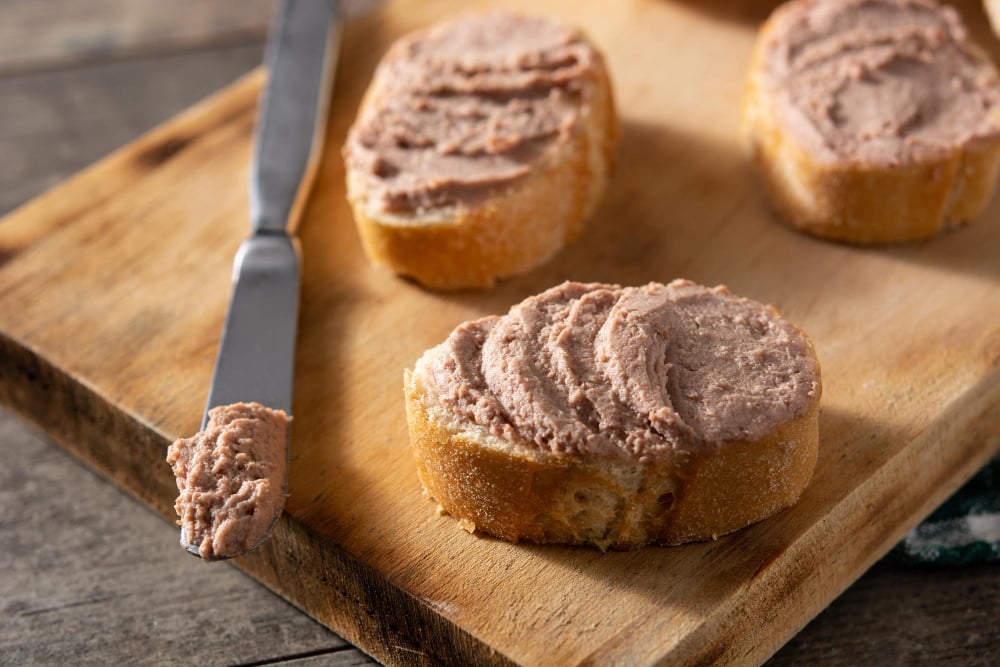
Originating from French cuisine, pâté was traditionally made with animal liver (commonly chicken, duck, or pork liver) blended with meat, fat, spices, and wine. The mixture is then finely ground, steamed, or baked to create a smooth, creamy texture with a rich, savory flavor.

In Vietnam, pâté has become an essential part of many popular dishes, especially bánh mì pâté-a true legend of street food culture. It’s also enjoyed with rice, sticky rice, or served as a refined appetizer at elegant gatherings.

in-vietnam-pate-has-become-an-essential-part-of-many-popular-dishes

In Vietnam, pâté has become an essential part of many popular dishes

Today, pâté goes beyond traditional liver-based recipes, with creative variations such as vegetarian pâté made from nuts and vegetables, offering a wider range of choices for different tastes and dietary preferences.

2. Types of pâté in Vietnam and around the world

2.1. Pâté in Vietnam

In Vietnam, pâté is often prepared in a simpler style, adapted to Asian tastes. Some of the most popular varieties include:

• Pork liver pâté: The most common type, often used in bánh mì, with a mildly rich flavor and signature aroma.

• Chicken liver pâté: Creamier and more intense in taste, frequently served as an appetizer.

• Vegetarian pâté: Made from beans, mushrooms, nuts, and vegetables - an ideal option for vegetarians or those looking to cut down on animal fat.

At premium food stores like Annam Gourmet, you can explore a wide selection of both imported and locally made pâtés, offering modern consumers a more diverse and refined culinary experience.

2.2. Pâté around the world

Across the globe, pâté has evolved into many distinctive variations:

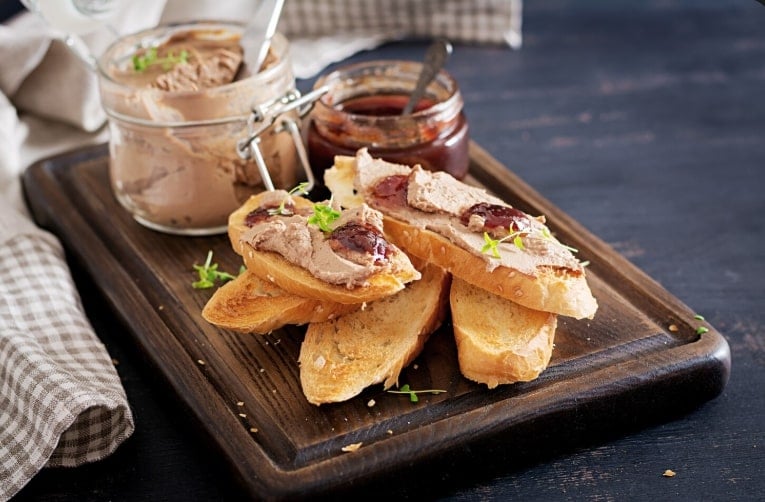
• Foie gras (France): A luxury pâté made from the liver of specially fattened duck or goose, prized for its rich, buttery taste.

• Liverwurst (Germany): A soft, spreadable sausage-style pâté, often paired with dark rye bread.

• Brussels pâté (Belgium): Smooth in texture and commonly sold in cans for easier storage.

• Country-style pâté (France): Coarser in texture, typically mixed with pepper, herbs, and a variety of meats.

• Fish and seafood pâté (Scandinavia, Japan): Unique variations using salmon, tuna, or shellfish, delivering a fresh taste of the sea.

These versions highlight how pâté has transcended its traditional recipe to become a symbol of culinary creativity worldwide.

foie-fras-france-a-luxury-pate-made-from-the-liver-of-specially-fettened-duck-or-goose

Foie gras (France): A luxury pâté made from the liver of specially fattened duck or goose

3. Benefits of including pâté in your meals

According to sources such as BBC Good Food and Britannica, pâté is not only a dish with a strong French culinary identity but also a rich source of valuable nutrients, particularly from animal liver. Studies show that pâté can provide iron, vitamin A, vitamin B12, and a range of essential minerals. When consumed in moderation, this dish not only enhances the flavor of meals but also offers significant health benefits.

3.1. Provides iron and copper

Liver - the main ingredient in many types of pâté - is a rich source of iron and copper. Iron plays a crucial role in red blood cell formation and preventing anemia, while copper supports energy metabolism and maintains a healthy immune system. Consuming pâté in appropriate amounts can help sustain energy and resilience, especially for those who experience fatigue or engage in heavy physical activity.

3.2. Supplies selenium and vitamin B2

Liver – the main ingredient in pâté – is rich in selenium, an essential mineral that acts as an antioxidant. Selenium helps protect cells from damage caused by free radicals and supports thyroid function. 

In addition, liver is a good source of vitamin B2 (riboflavin), which is vital for metabolizing fats, proteins, and carbohydrates, thereby providing energy for the body. As a result, pâté is not only flavorful but also serves as a healthy source of energy, making it ideal for starting the day or replenishing strength after physical activity.

3.3. Rich in vitamin A and vitamin B12

Pâté, particularly from animal liver, contains high levels of vitamin A - vital for vision, skin health, and immune support. Additionally, vitamin B12 helps produce red blood cells, supports nerve function, and reduces the risk of pernicious anemia. These nutrients are key for maintaining overall health and mental clarity.

pate-particular-from-animal-liver-contains-high-levels-of-vitamin-a

Pâté, particularly from animal liver, contains high levels of vitamin A

4. Is eating too much pâté harmful?

Although pâté provides many essential nutrients, consuming it in excess can pose certain health risks. According to a 2023 study by Healthline, animal liver – the main ingredient in pâté – contains relatively high levels of cholesterol and sodium. Regularly eating large amounts may increase the risk of cardiovascular disease or high blood pressure. Understanding these limitations allows you to enjoy pâté in a balanced and safe way, rather than removing it entirely from your diet.

4.1. High sodium content

Many commercially produced pâtés contain significant amounts of salt (sodium) to enhance flavor and extend shelf life. Eating too much can increase the risk of high blood pressure, putting extra strain on the heart and kidneys. It’s important to monitor portion sizes, especially if you are on a low-sodium diet or have a history of hypertension.

4.2. Potential preservatives: nitrites and sodium nitrate

Some canned or industrial pâtés use nitrites and sodium nitrate as preservatives and to maintain appealing color. Regularly consuming large amounts of these additives may increase digestive issues and pose long-term health risks. Therefore, it’s recommended to choose fresh, minimally processed, or artisanal pâtés from trusted brands to ensure safety.

its-recommend-to-choose-fresh-minimally-processed-or-artisanal-pate-from-trusted-brands

it’s recommended to choose fresh, minimally processed, or artisanal pâtés from trusted brands

5. Precautions when eating pâté

While pâté is flavorful, rich, and packed with nutrients, not everyone can enjoy it freely. Certain groups should take special precautions to ensure safety and avoid potential health risks, allowing them to fully savor the refined culinary experience that pâté offers.

5.1. For pregnant women

Pregnant women are generally advised to limit pâté consumption, especially fresh pâtés that are undercooked or improperly stored. This is because pâté can potentially harbor Listeria bacteria, which may affect the fetus. Additionally, liver-based pâtés are high in vitamin A, and excessive intake may lead to vitamin A toxicity, which is not ideal for the baby’s development. Expectant mothers should consume small amounts, choose thoroughly cooked products, and select pâtés from reputable brands.

5.2. For people with high blood pressure

Individuals with hypertension should be cautious when eating pâté, as it often contains high sodium levels. Excess salt can raise blood pressure and increase the risk of cardiovascular complications. If you wish to enjoy pâté, opt for low-sodium varieties, eat in small portions, and pair with green vegetables, whole-grain bread, or other low-sodium foods to maintain a balanced diet.

individuals-with-hypertension-should-be-cautions-when-eating-pate

Individuals with hypertension should be cautious when eating pâté

6. What makes a pâté truly delicious?

So what kind of pate is good? The answer is very simple: A good pâté combines three key factors: a smooth but not overly dense texture, rich yet balanced flavor, and fresh, high-quality ingredients. When enjoyed, it should feel naturally creamy, not dry or overly strong in liver taste. The perfect harmony of spices, aroma, and richness is what sets an exceptional pâté apart.

For those who appreciate refined European flavors, you might try the 

• Homemade Forest Pork Pâté in Jar 120g - a handcrafted wild pork pâté with a deep, savory taste.

• Royal Duck Mousse with Armagnac 180g, a smooth duck pâté enhanced with Armagnac for added depth.

homemade-forest-pork-pate-in-jar

Instead of learning how to make pate at home in the sophisticated European culinary style, you can try these products:

• Homemade Foie Gras Pâté 200g offers a decadent goose liver option, perfect for parties or special meals. 

• Cochon d’Or Chicken Liver Pâté is light and easy to enjoy.

• Dõ’s Breadsticks Traditional Pâté 3x63g convenient for pairing with any kind of crispy breads.

With such variety, it’s easy to choose a pâté that suits your taste - from traditional to premium - transforming everyday meals into a refined culinary experience.

homemade-foie-gras-pate

Pâté is both a familiar and sophisticated dish, offering a signature creamy flavor and significant nutritional value. While it brings many health benefits, enjoying pâté in moderation and selecting high-quality products ensures safety and optimal taste.

For delicious, diverse, and high-quality options - ranging from wild pork pâté and chicken liver pâté to premium foie gras - Annam Gourmet provides trusted selections suitable for everyday meals or special occasions. A well-chosen pâté not only enhances the flavor of your dishes but also adds a touch of elegance to your culinary style.

Contact information - Annam Gourmet

• Website: https://shop.annam-gourmet.com/ 

• Hotline: 1900 636431

• Email: [email protected]