korean-mixed-noodles-variety

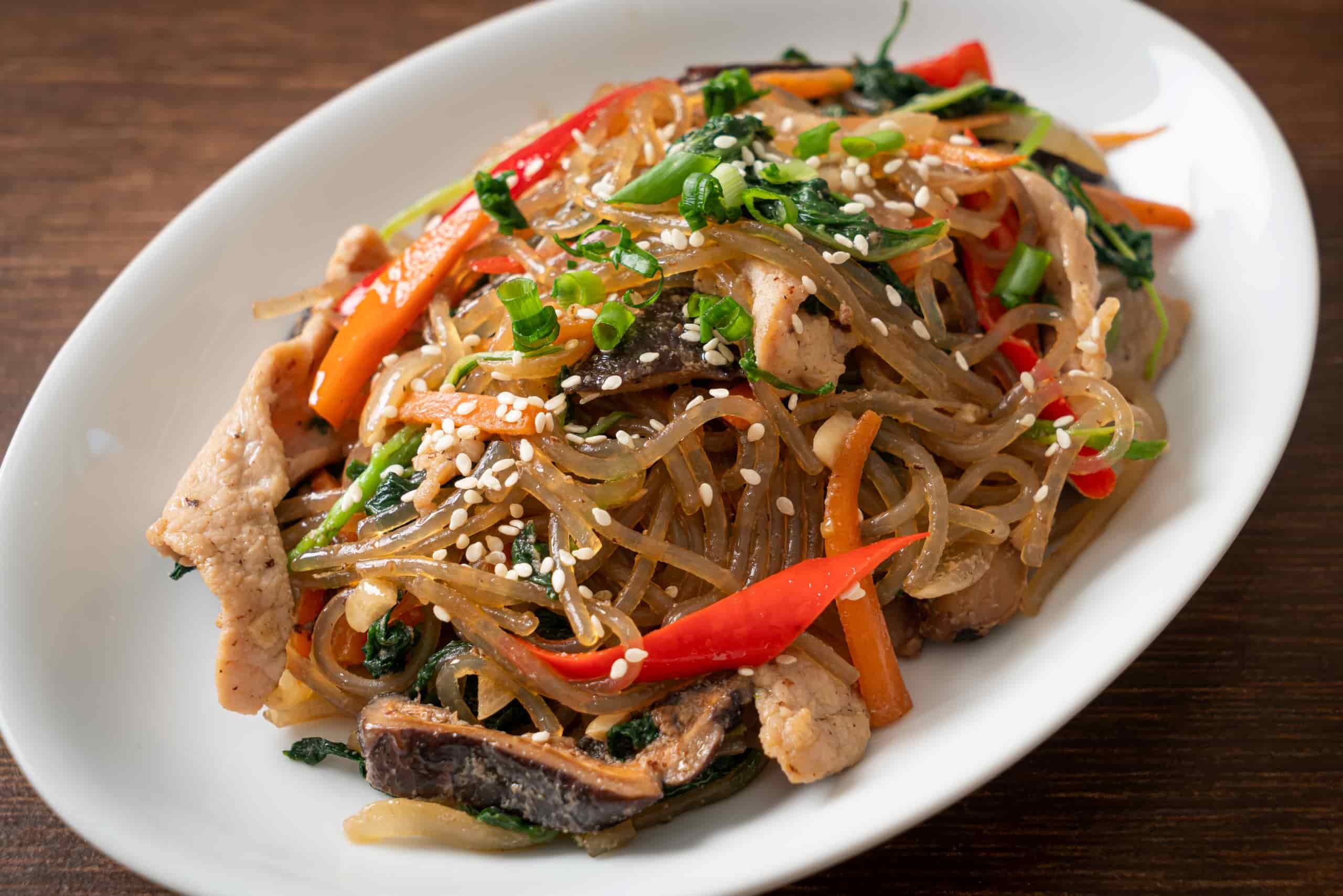
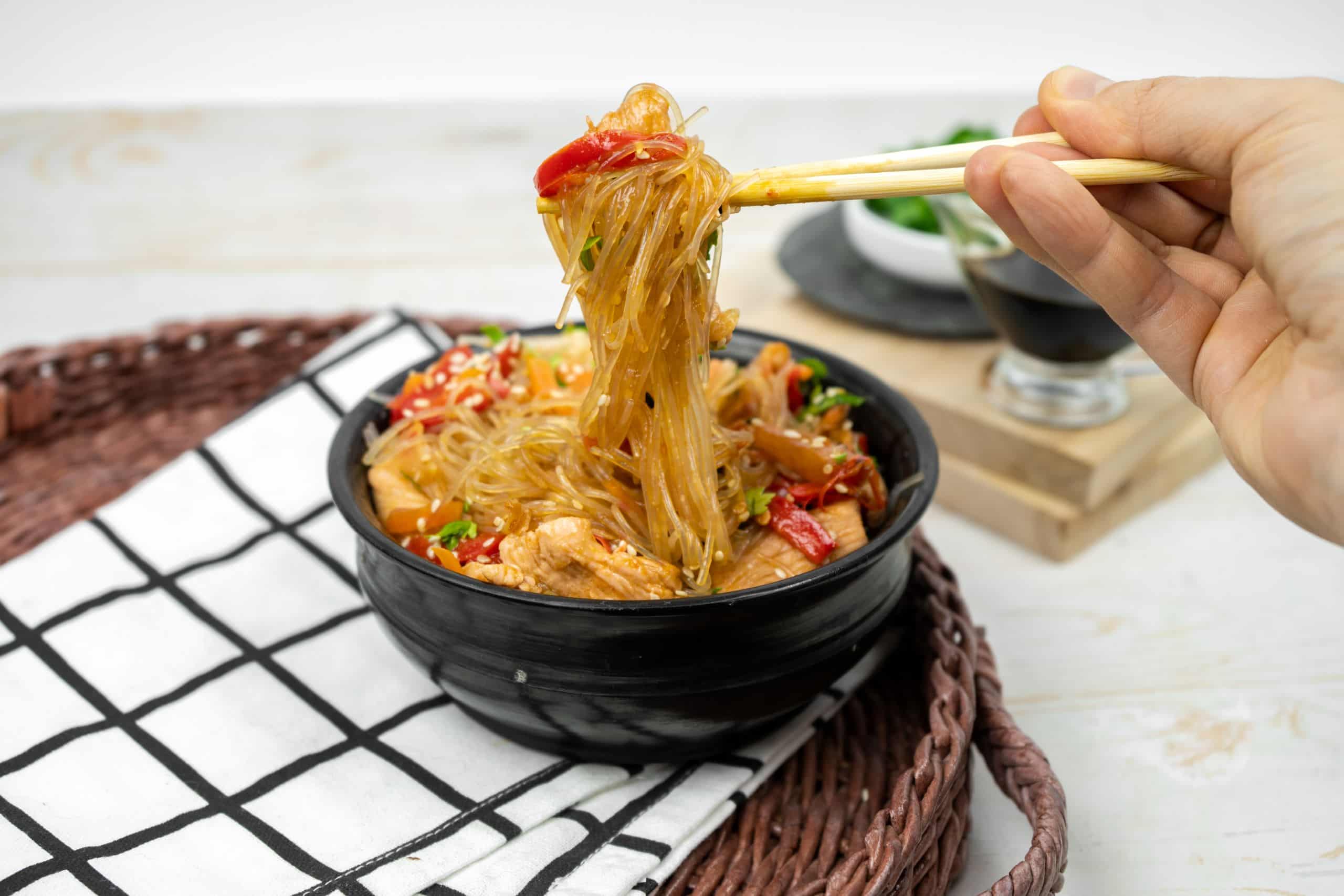
Korean mixed noodles (Japchae) is a "national" dish featuring a harmonious combination of chewy, soft noodles, fresh vegetables, and the characteristic aroma of sesame oil. Not only is it a healthy source of starch and fiber, but homemade mixed noodles also ensure freshness, limit grease, and allow you to freely adjust the flavor to your preference. With the detailed recipe in the article below, Annam Gourmet will join you in transforming familiar ingredients into a colorful, flavorful, and aromatic Korean mixed noodles dish in just a flash!

1. Instructions for making simple Korean mixed noodles at home

To have a delicious plate of Korean mixed noodles, the ingredient preparation stage plays a decisive role in 70% of the dish's success.

1.1. Ingredients for Korean mixed noodles

To make a full plate of mixed noodles for the family, you need to prepare the following selected ingredients:

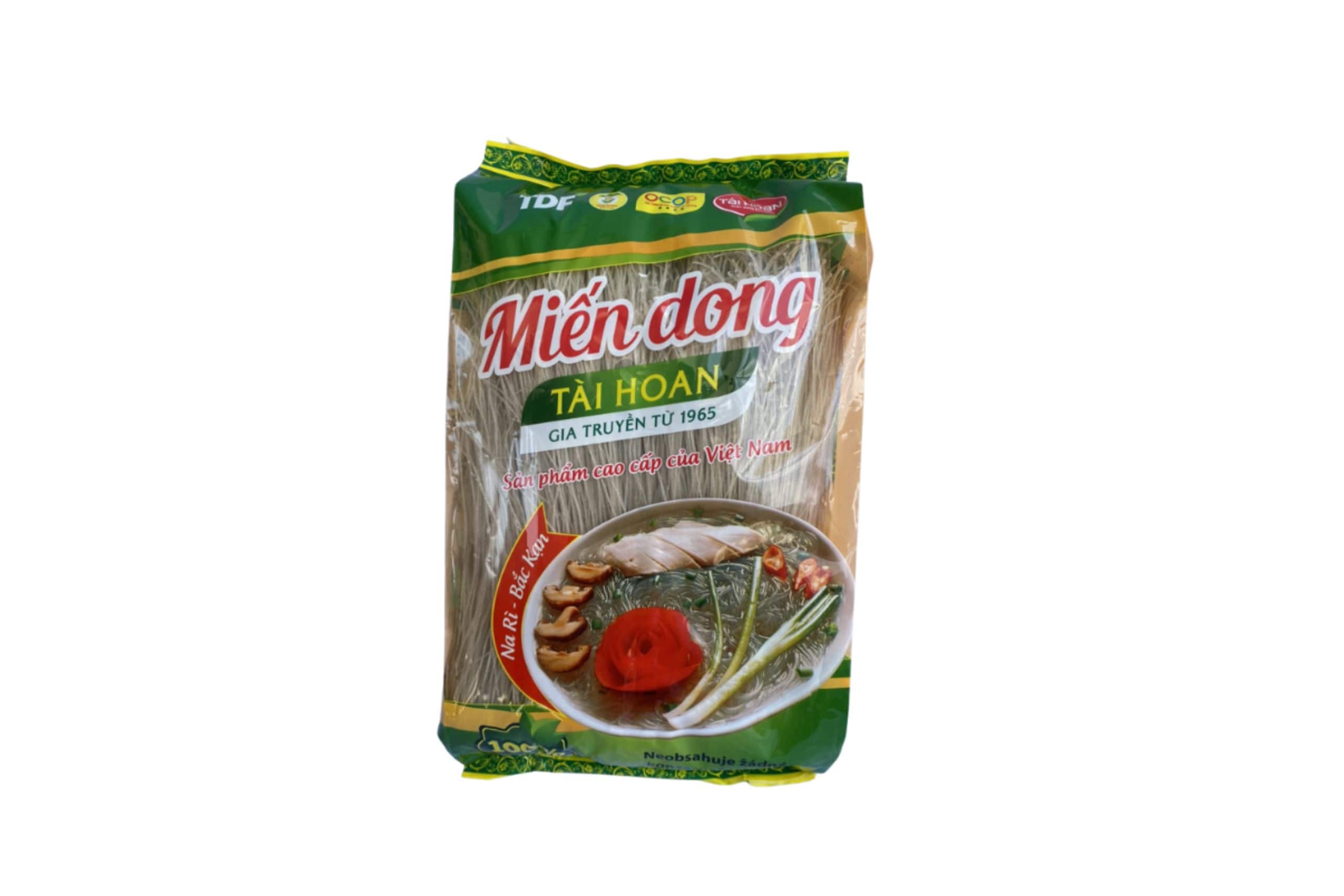
An Loi Tai Hoan Rice Vermicelli (500g): The product is made from pure clean rice; the noodle strands are thin but maintain a natural chewiness after processing. This is the perfect "foundation" that helps seasonings absorb evenly into each strand without causing a mushy feeling.


mien-dong-tai-hoan

An Loi Tai Hoan Rice Vermicelli (500g)

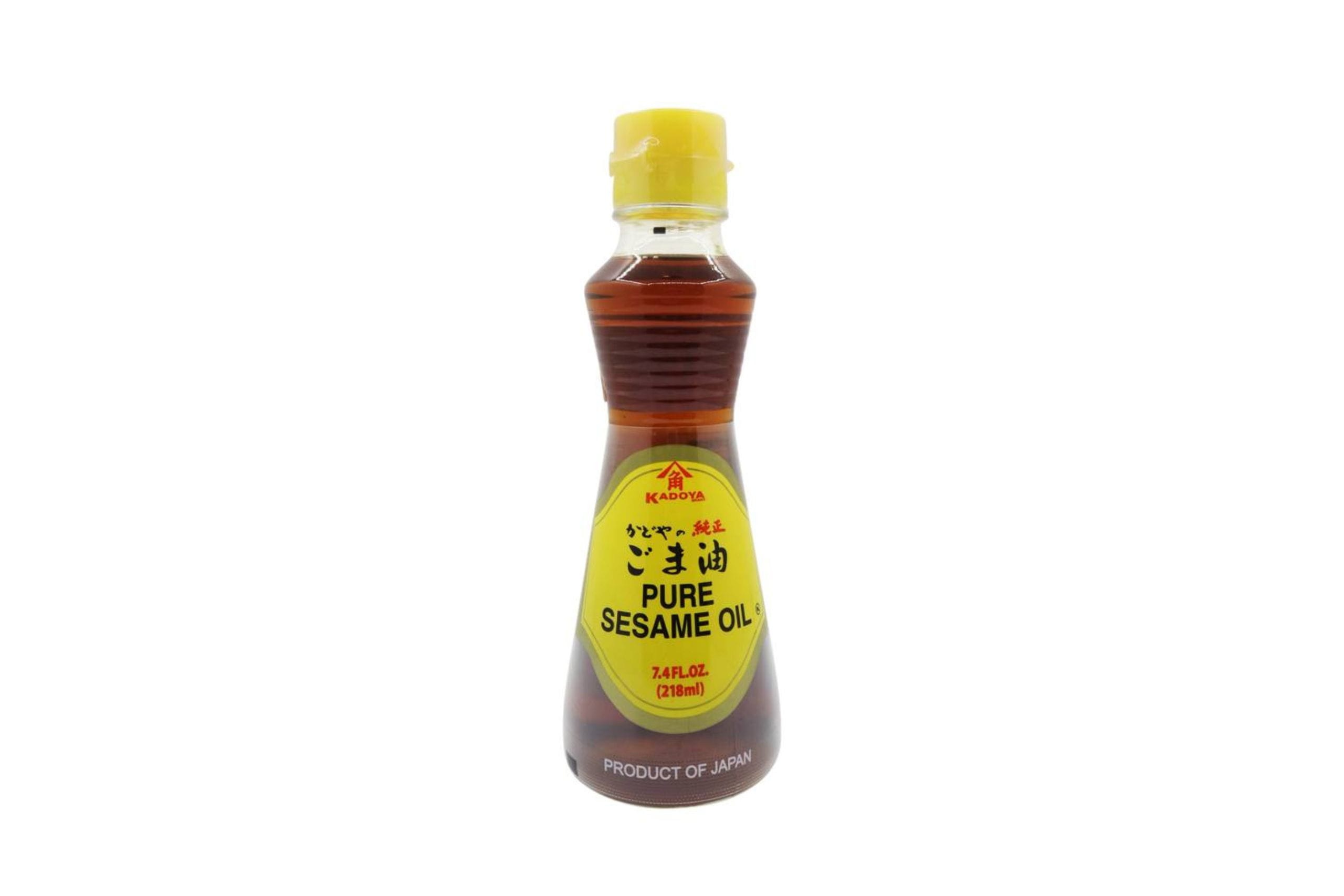
Kadoya 100% Pure Sesame Oil (214g): Kadoya sesame oil is the "soul" of Japchae, bringing an irreplaceable characteristic rich aroma. With good heat resistance and intense flavor, just a small amount is enough to awaken the scent of the entire dish.

Kadoya 100% Pure Sesame Oil 214g

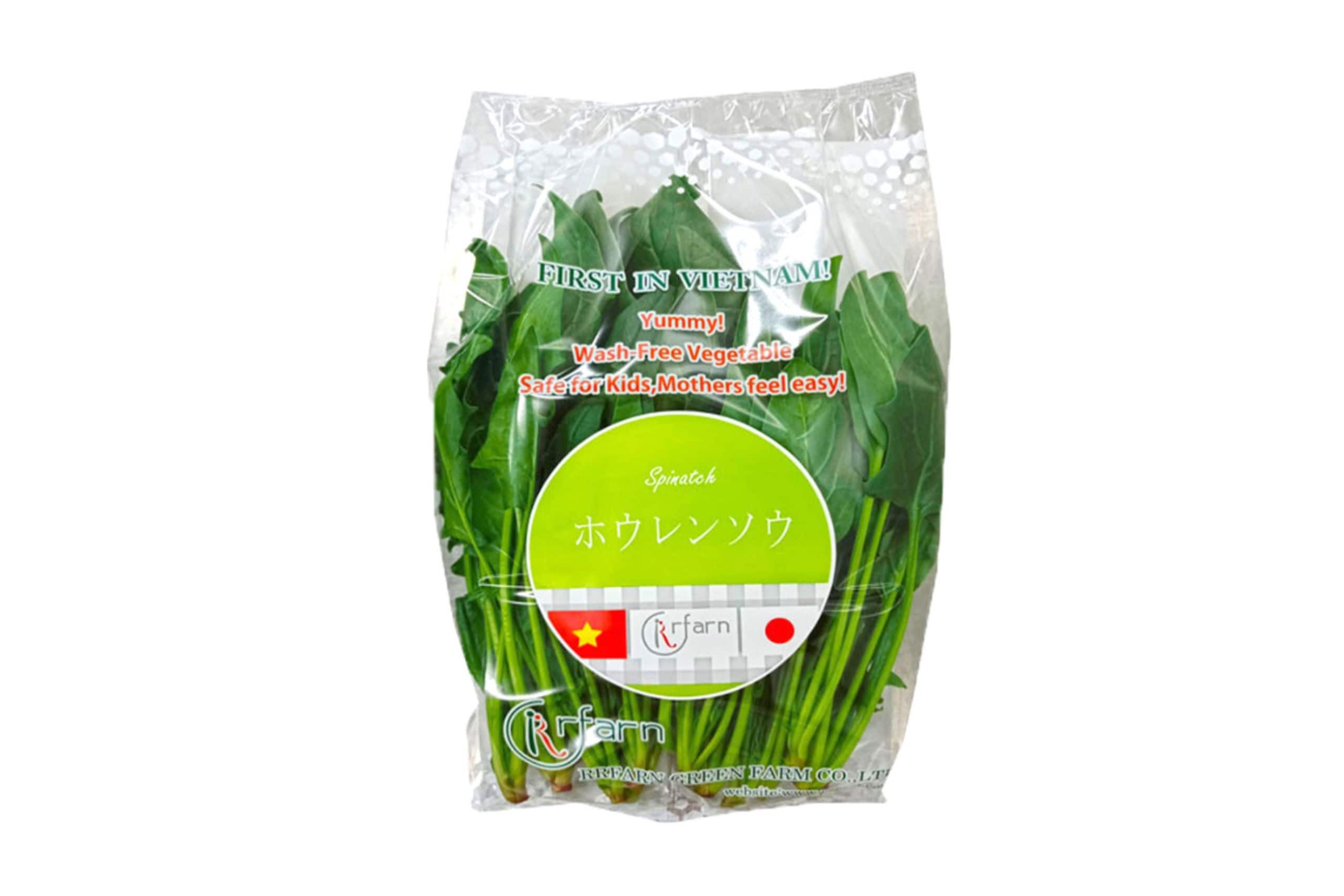
Spinach Japanese (100g): This vegetable has a mild sweet taste and soft stems but still maintains a slight crunch when blanched. Spinach provides many vitamins and creates an eye-catching green highlight, balancing the colors of the noodle plate.

 Spinach Japanese

Carrot Dalat VietGAP: Grown according to safety standards, Da Lat carrots have a natural sweetness and a firm, crunchy texture. When shredded and quick-fried, they retain a bright orange color and add an interesting crunch.

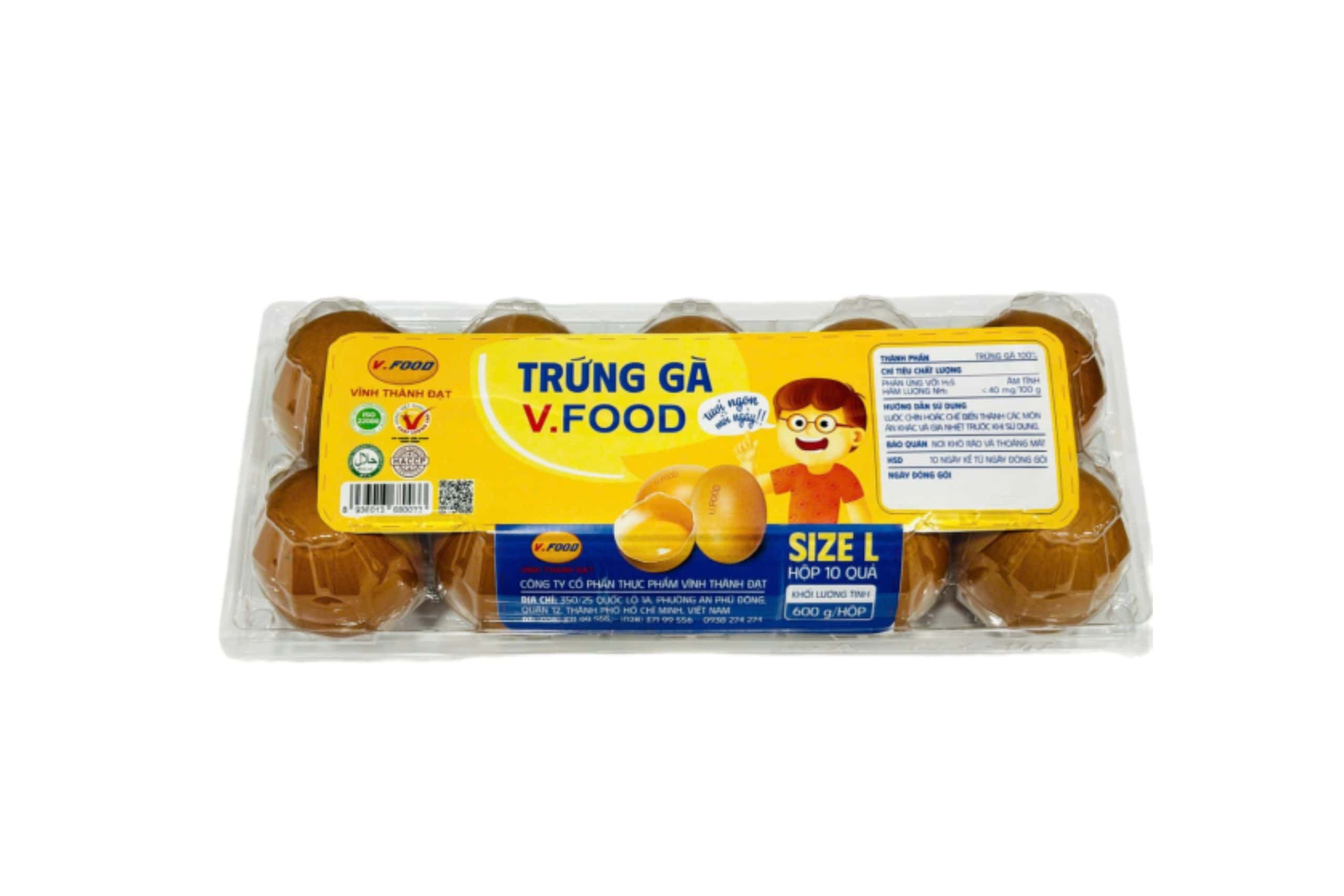
Vfood Chicken Eggs (10 eggs): Fresh, clean chicken eggs are used to make thin omelets and then shredded, adding a shiny golden color and a rich, nutty taste to the dish.

Vfood Chicken Eggs

• Other seasonings: Soy sauce, sugar, minced garlic, PMT White Sesame (100g) toasted until fragrant, and beef tenderloin (200g - optional).

1.2. Secrets to choosing fresh ingredients

The quality of the mixed noodle dish depends heavily on the type of noodles and the freshness of the vegetables. Standard ingredients will help the dish have a natural chewiness and crunch without being mushy or friable.

• Criteria for choosing noodles: For an authentic Korean noodle plate, you should prioritize noodles made from sweet potato starch (canna starch). Uncooked noodle strands are usually light gray or slightly translucent, dry, straight, and do not crumble. Avoid choosing types that are too white as they may have undergone strong bleaching. When breaking the noodles, they must have a certain brittleness.

• Notes on choosing vegetables:

◦ Carrots: Choose roots with a deep orange color, smooth skin, and medium size to ensure sweetness and crunch.

◦ Spinach: Choose bunches with dark green leaves, fresh roots, and sturdy stems. Avoid bunches that are crushed or yellowed to maintain a beautiful green color for the dish.

mien-tron-han-quoc-la-mon-nhanh-chong

Fresh and bright ingredients help make the dish colorful

1.3. How to make delicious, flavorful Korean mixed noodles

After having all the ingredients, let's start making the mixed noodles according to the standard process below:

Step 1: Process vegetables and meat

First, you need to clean the vegetables and meat. After peeling the carrots, wash and shred them into long, even thin strips. For the spinach, wash it, cut it into bite-sized pieces (about 5-7cm), and blanch it in boiling water mixed with a bit of salt for 30 seconds, then immediately remove and soak in ice water so the vegetables keep their crunch and eye-catching green color. Slice the beef thinly, marinate with soy sauce, sugar, minced garlic, and a bit of sesame oil for about 15 minutes for the meat to absorb the seasonings.

Step 2: Process the eggs

Next, whisk the eggs (or separate the yolks and whites depending on preference) and fry them very thinly on a non-stick pan over low heat. Once the eggs are cooked, let them cool, then roll them up and skillfully slice them into thin golden strips for later decoration.

Step 3: Stir-fry ingredients: 

The secret to making delicious Korean mixed noodles is to stir-fry each ingredient separately to preserve its full flavor. Heat the pan, lightly stir-fry the carrots with a bit of salt until just cooked but still crunchy. Then, continue stir-frying the beef over high heat, tossing quickly so the meat is tender, sweet, and doesn't release water.

Step 4: Boil and mix the noodles: 

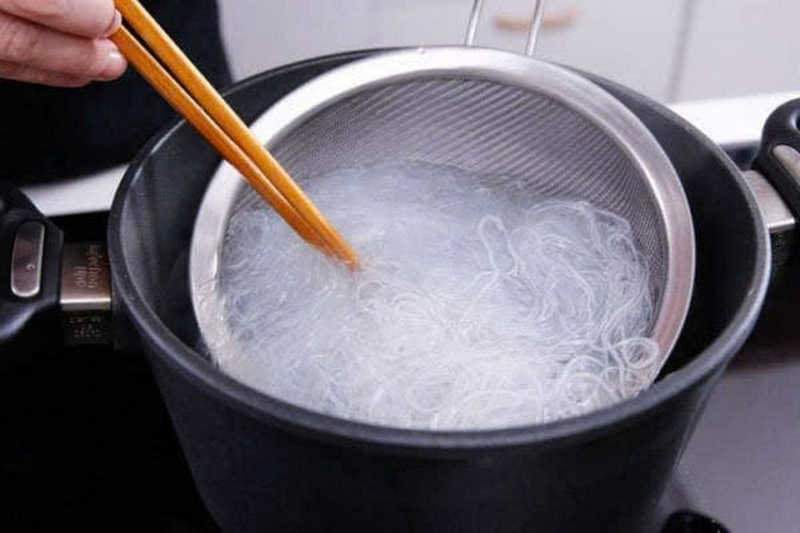
Boil a large pot of water, drop the noodles in, and boil for about 6-8 minutes until the strands are translucent and moderately soft and chewy. Remove the noodles and rinse immediately under cold water so the strands don't stick together, then drain. While the noodles are still warm, immediately mix them with the prepared amount of sesame oil, soy sauce, and sugar so the strands are loose, glossy, and rich in flavor.

luoc-mien-khong-bi-dinh

Boil and mix the noodles

Step 5: Complete the mixed noodle dish 

Finally, put all the noodles, beef, carrots, and spinach into a large bowl. Wear nylon gloves and gently mix the ingredients together, re-seasoning (soy sauce, sugar) to taste. Arrange the dish on a plate, sprinkle shredded eggs and toasted white sesame on top, and you have completed this attractive dish.

2. Suggestions for delicious and easy-to-make mixed noodle variations

In addition to the traditional recipe, you can unleash your creativity with many different versions to change the flavor for family meals. Here are 5 unique variations that help the mixed noodle dish become novel and more attractive.

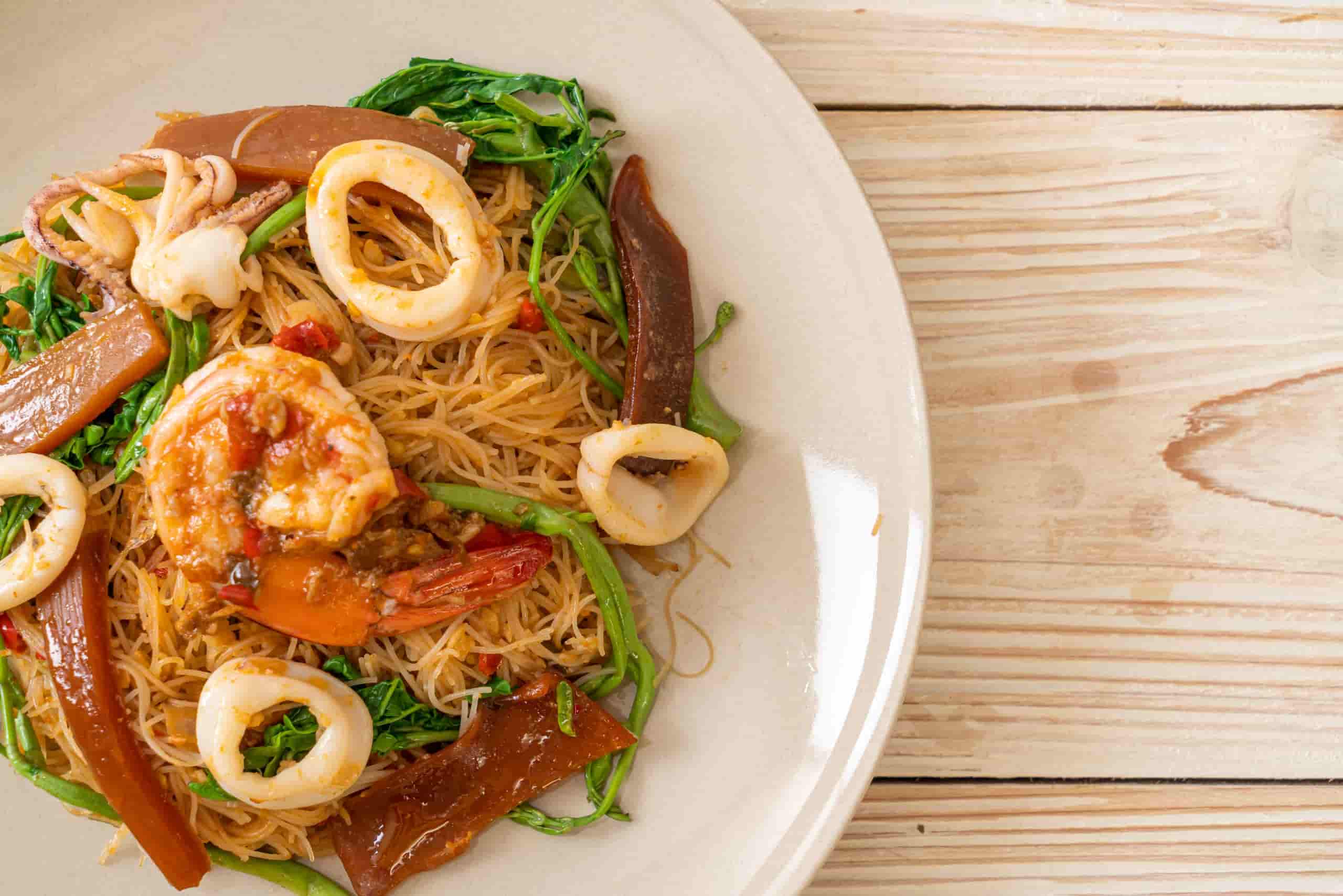
2.1. Seafood mixed noodles

This is an "upgraded" version for those who love the taste of the sea, bringing a light and less fatty feeling compared to red meat.

• Ingredients: Fresh shrimp, squid (cleaned, scored in a dragon pattern), clams (optional) along with basic vegetables like carrots and onions.

• Method: Peel the shrimp and remove the vein; slice the squid into bite-sized pieces. Steam or lightly boil the seafood with a few slices of ginger to remove the fishy smell and keep the sweetness. Mix a sweet and sour sauce including soy sauce, sugar, lemon, minced chili, and garlic. Finally, gently mix the boiled noodles with the seafood, vegetables, and sauce.

• Small tip: Seafood cooks very quickly; you should not process it for too long as it will lose its crunch and sweetness and make the meat tough. Mix very gently so the ingredients do not get crushed.

2.2. Thai-style mixed noodles

The bold combination of chewy, soft noodles and the characteristic intense sour and spicy taste of Land of Golden Pagodas cuisine will stimulate the taste buds extremely strongly.

• Ingredients: Noodles, shrimp, minced meat, onion, celery, tomato, bird's eye chili, lime, and high-quality fish sauce.

• Method: The difference lies in the sauce. Instead of using soy sauce and sesame oil as the main ingredients like in the Korean version, mix fish sauce with sugar, lime juice, and crushed chili to create a sharp sour and spicy taste. Evenly mix the hot noodles with this sauce mixture along with the boiled shrimp and minced meat for the flavor to soak into every strand.

2.3. Hanoi chicken mixed noodles

An interesting culinary cultural intersection between Korean ingredients and Vietnamese flavors. This dish utilizes the light sweetness of chicken and the characteristic aroma of Vietnamese herbs.

• Ingredients: Shredded boiled chicken breast or thighs, canna noodles (miến dong), wood ear mushrooms, shiitake mushrooms, Vietnamese coriander (rau răm), cilantro, fried shallots, and roasted peanuts.

• Method: Mix a dressing balanced between soy sauce, rice vinegar, and sugar. Put the noodles in a large bowl, add the shredded chicken, pour a little hot chicken broth to create moisture, then drizzle the sauce and sprinkle crunchy fried shallots and roasted peanuts on top. Mix well and enjoy immediately to feel the blended rich flavors.

2.4. Butterfly pea flower mixed noodles

If you want the dish to become a work of art on the party table, try this magical color variation immediately.

• Ingredients: Dried or fresh butterfly pea flowers, white rice noodles (for the most accurate color).

• Method: Soak the butterfly pea flowers in boiling water for about 5 minutes to get the dark blue extract. Use this exact water to boil the noodles. Once cooked, the noodle strands will be "dyed" a beautiful emerald green or deep purple. Perform the remaining seasoning and ingredient mixing steps similarly to the traditional recipe.

2.5. Combination (Thập cẩm) mixed noodles

This is a smart "fridge-clearing" version, utilizing all available ingredients but bringing a surprisingly rich flavor.

• Ingredients: Any leftover vegetables you have (red/yellow bell peppers, enoki mushrooms, king oyster mushrooms, green beans) and cold cuts (Vietnamese pork roll, sausage, crab sticks).

• Method: Shred all ingredients for uniform size. Stir-fry each type of vegetable and mushroom with some basic seasonings. Then, mix everything together with the noodles along with oyster sauce and soy sauce. This dish is prepared extremely quickly, very suitable for busy days or large weekend parties.

mien-tron-thap-cam

Combination of mixed noodles

3. How to store homemade mixed noodles at home

Homemade mixed noodles do not contain preservatives, so storage methods will differ from packaged foods. Proper storage helps the noodles from becoming hard, spoiled, or losing flavor.

3.1. Choose suitable storage tools

To store the noodles, you should use glass containers or high-quality food-grade plastic containers with airtight lids. Airtight containers help prevent bacteria from entering and keep the noodles from drying out due to exposure to the cold air in the refrigerator.

3.2. Storage methods and optimal usage time

Depending on the usage needs, you can apply these two methods:

• Method 1: Room temperature storage (Within the day)

◦ Condition: If you plan to use the dish for lunch and dinner on the same day, keep the noodles in a cool, dry place covered with a food cover.

◦ Advantage: The noodle strands maintain their best softness and flexibility.

◦ Note: Do not leave for more than 6 hours at room temperature, especially on hot days, to avoid spoilage.

• Method 2: Refrigerator storage (Overnight)

◦ Condition: Put the noodles in an airtight container and place in the chiller compartment.

◦ Usage time: Maximum 1-2 days. Due to the characteristics of starch, refrigerated noodles will undergo "retrogradation" (becoming hard and dry).

◦ Solution: This is an important key. When taking them out, you absolutely must not eat them immediately. Microwave for 1-2 minutes or stir-fry them again in a pan with a little water and sesame oil. The noodle strands will become soft and flexible again like new.

3.3. Handling sticky or mushy noodles

Beginners often encounter the situation where noodle strands stick tightly together or become swollen and mushy.

• Cause: Due to over-boiling or not rinsing with cold water and mixing with oil immediately after boiling.

• Solution: If the noodles are sticky, add a little warm water and sesame oil then use chopsticks to separate them gently. If the noodles are already too mushy, you can adapt by cutting them short and mixing with rice to make a mixed rice dish or use them as a filling for dumplings (mandu).

3.4. Signs of spoiled mixed noodles

You should not use mixed noodles when you notice the following signs:

• Smell/Taste: Has a sour, rancid smell or other unusual odors. This is a sign that the vegetables or meat have fermented or spoiled.

• Texture: Noodle strands are slimy or watery.

• Color: Vegetables turn dark black, or mold appears.

Homemade Korean mixed noodles bring an interesting culinary experience, bonding the family together. With the recipe and quality ingredients from Annam Gourmet, you can be completely assured of the safety and flavor of the dish.

Contact Information - Annam Gourmet

• Website: https://shop.annam-gourmet.com/

• Hotline: 1900 636431

• Email: [email protected]

References:

Maangchi. (n.d.). Japchae (Stir-fried starch noodles with beef and vegetables). https://www.maangchi.com/recipe/japchae

Korean Bapsang. (n.d.). Japchae (Korean Stir-fried Glass Noodles). https://www.koreanbapsang.com/japchae-korean-stir-fried-starch/

Healthline. (n.d.). Spinach 101: Nutrition Facts and Health Benefits. https://www.healthline.com/nutrition/foods/spinach