how-much-water-should-you-drink-a-day

Water is not only essential for sustaining life-it also directly influences work performance, skin vitality, digestive function, and overall well-being. Yet, few truly know how much water their body needs each day. In this article, Annam Gourmet guides you through how much water should you drink in a day based on weight, lifestyle, and personal needs - helping you sustain a balanced, wholesome, and elegantly refined lifestyle.

1. How much water should you drink each day?

Water makes up 55 - 70% of body weight and is fundamental to sustaining life - from blood circulation and temperature regulation to metabolism and detoxification. Yet, the body’s hydration needs are never one-size-fits-all. They vary depending on age, gender, body weight, level of physical activity, and even special conditions such as pregnancy or breastfeeding.

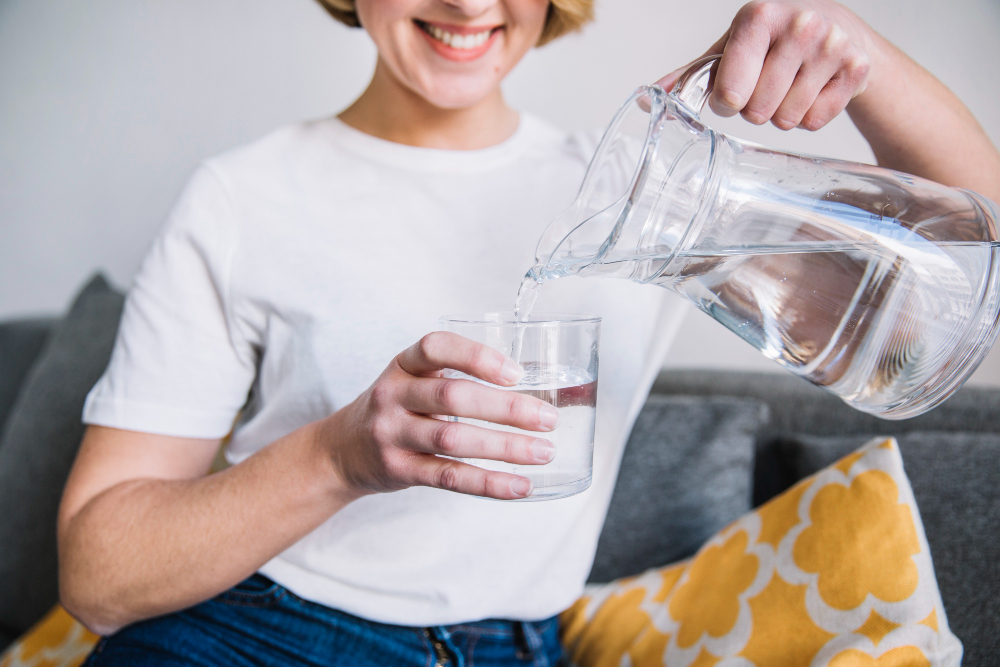
water-makes-up-to-70%-of-body-weight-and-is-fundamental-to-sustaining-life

Water makes up 70% of body weight and is fundamental to sustaining life

1.1. For adults

According to Harvard Health, leading health organizations recommend:

• For women: an average of 2-2.5 liters of water per day

• For men: an average of 2.5-3 liters of water per day.

This includes not only drinking water but also hydration from foods such as fruits, vegetables, soups, and broths. A sedentary office lifestyle may require slightly less, while those who exercise frequently or live in hot, humid climates may need considerably more. The key is not simply to “hit a number,” but to maintain balance - avoiding both prolonged dehydration and excessive intake in a short period, which may strain the kidneys.

1.2. For children

Also, according to Harvard Health, Hydration needs for children vary by age and body weight.

• Toddlers aged 1-3 typically require about 1-1.3 liters per day

• Children aged 4-8 need 1.3-1.7 liters.

• From 9-13 years, the range rises to 1.6-2.1 liters, and teenagers may need nearly as much as adults.

Adequate hydration supports healthy growth, regulates body temperature, and enhances concentration during study. Instead of encouraging children to drink a large amount at once, parents should offer water steadily throughout the day, complemented by water-rich foods such as fresh fruit, yogurt, or light soups.

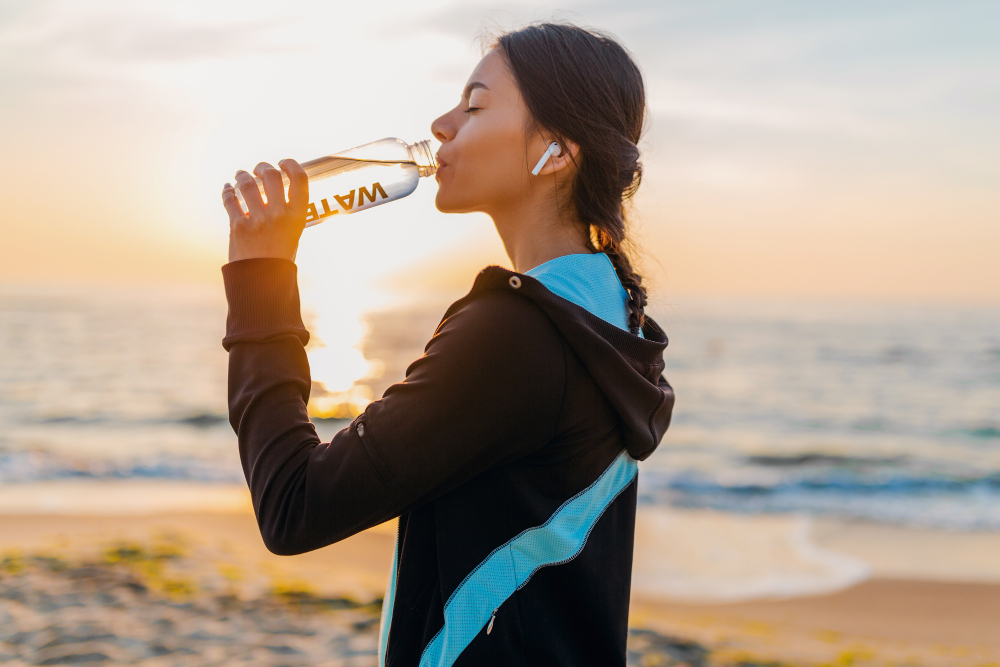
adequate-hydration-supports-healthy-growth-regulates-body-temperature

Adequate hydration supports healthy growth, regulates body temperature

1.3. For expectant and nursing mothers

During pregnancy, as Mayo Clinic - a woman’s body requires additional hydration to sustain blood volume, nourish the growing baby, and support metabolic processes. On average, expectant mothers are advised to consume at least 2.5-3 liters of water per day.

For nursing mothers, the demand is even higher - typically around 3-3.5 liters daily - as the body continuously produces milk, a process that consumes significant fluid. Proper hydration not only ensures a healthy milk supply but also helps reduce postpartum fatigue, constipation, and dehydration, supporting overall wellness during this delicate stage.

1.4. Calculating water intake by body weight and activity level

Rather than applying a single standard for everyone, hydration can be personalized according to body weight and physical activity - an approach widely recommended by nutrition experts. This method ensures your water intake aligns with your unique lifestyle and physiology.

• Basic formula: Daily water intake (ml) = Body weight (kg) × 30-40 ml

Sedentary lifestyle: weight × 30 ml

Moderate activity: weight × 35 ml

High activity or hot climate: weight × 40 ml

• Examples:

A 60 kg office worker with minimal activity: 60 × 30 = 1,800 ml (~1.8 L/day)

A 70 kg individual exercising 4-5 times weekly: 70 × 35 = 2,450 ml (~2.5 L/day)

A 65 kg person active outdoors in hot weather: 65 × 40 = 2,600 ml (~2.6 L/day)

Additionally, for each hour of exercise, an extra 0.4-0.8 liters of water is recommended to replenish fluids lost through perspiration.

This formula offers a flexible and precise way to tailor hydration - moving beyond the generic “2 liters per day” rule to a more refined, personalized approach that truly meets your body’s needs.

this-formula-offers-a-flexible-and-precise-way-to-tailor-hydration

This formula offers a flexible and precise way to tailor hydration

2. Daily water intake for the body

As Harvard Health to sustain a healthy, energetic body, determining your daily hydration needs is essential. While the “2 liters a day” guideline is often cited, it serves only as a general reference. In reality, your optimal intake depends on factors such as age, body weight, gender, activity level, and living environment. Understanding the role of water - and the importance of replenishing it adequately - empowers you to take a proactive approach to holistic well-being.

2.1. The role of water in health

Water is a vital element, involved in nearly every biological process. Each cell, tissue, and organ depends on it for proper function. Key roles include:

• Maintaining homeostasis: Regulates body temperature, stabilizes blood pressure, and balances electrolytes.

• Supporting nutrient metabolism: Enables nutrients and minerals to dissolve, transport, and absorb efficiently.

• Detoxification and purification: Facilitates the elimination of waste through sweat, urine, and breath, optimizing liver and kidney function.

• Protecting body structure: Keeps skin hydrated, lubricates joints, and preserves tissue elasticity, acting as a natural “biological cushion.”

In essence, water is the foundation of life itself - a vital current that nourishes and safeguards every cell of the body.

water-is-a-vital-element-involed-in-nearly-every-biological-process

Water is a vital element, involved in nearly every biological process

2.2. Why staying hydrated truly matters

Drinking enough water is more than a simple daily habit - it is a cornerstone of long-term health. Even mild dehydration can compromise the performance of your brain, heart, and digestive system.

• Sharper mental performance: A fluid loss of just 1-2% of body weight may reduce focus, short-term memory, and mood.

• Heart and circulation support: Adequate hydration helps maintain blood volume and eases the workload on the heart.

• Better digestion, less constipation: Water softens waste, promotes bowel movement, and supports a balanced gut microbiome.

• Weight management aid: Drinking water before meals can create a natural feeling of fullness, helping to prevent overeating.

• Radiant, youthful skin: Well-hydrated skin stays plump, elastic, and less prone to fine lines.

Ultimately, calculating and maintaining your daily water intake is a simple yet powerful wellness ritual - a “secret to health and vitality” that delivers lasting benefits, especially for the modern, fast-paced lifestyle.

calculating-and-maintaining-your-daily-water-intake-is-simple-yet-powerful-wellness-ritual

Calculating and maintaining your daily water intake is a simple yet powerful wellness ritual

3. The best times to hydrate for maximum benefits

It’s not only how much water you drink that matters, but also when you drink it. Choosing the right “golden moments” ensures your body absorbs water more effectively, enhancing detoxification, digestion, and energy balance throughout the day. Here are the key times to prioritize:

• Upon waking: A warm glass of water right after rising replenishes fluids lost overnight and gently awakens your digestive system while boosting circulation.

• 30 minutes before meals: A small amount of water cleanses the palate and prepares the stomach for digestion. Avoid drinking too much right before or during meals, as it may dilute gastric juices.

• Mid-morning and mid-afternoon: During work hours, the body often loses water silently. A refreshing glass of pure water restores alertness, sharpens focus, and reduces fatigue.

• After exercise: Sweating depletes both fluids and electrolytes. This is the perfect time to rehydrate with water, mineral water, or electrolyte-rich beverages to speed up recovery.

• When feeling fatigued or stressed: Dehydration often shows up as sluggishness and lack of focus. A cool glass of water can “wake up” the brain, lift your mood, and improve oxygen circulation.

• Before bedtime: A small sip of warm water (no more than 100 ml) supports blood circulation during the night. However, avoid drinking too much to prevent sleep disruption.

By drinking water at the right moments, you not only meet your body’s physiological needs but also elevate your overall well-being - bringing balance, vitality, and a sense of wholeness to everyday life.

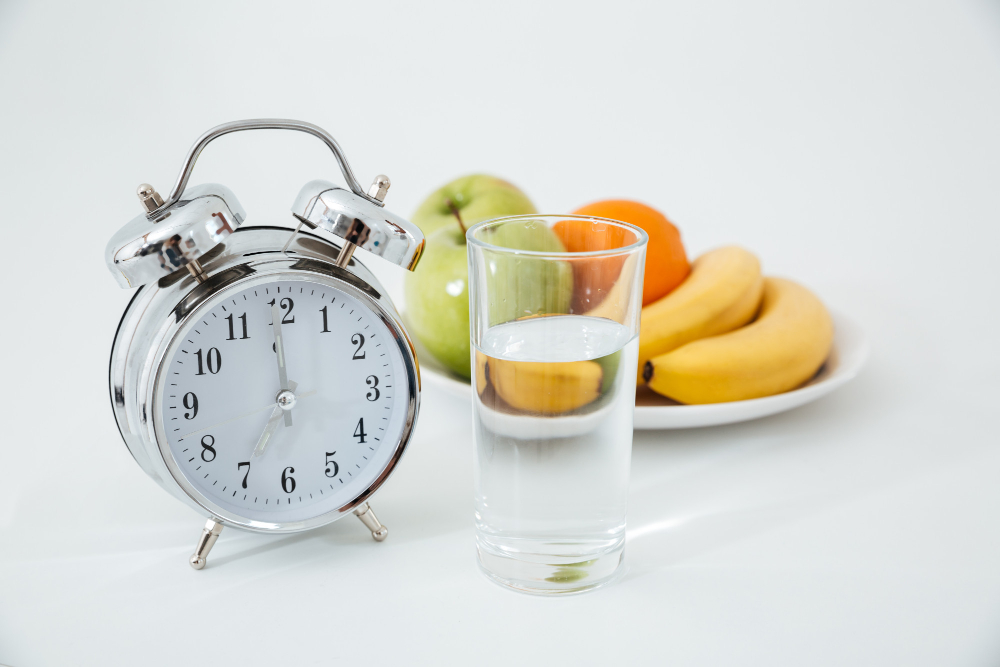
its-not-only-how-much-water-you-drink-that-matters-but-also-when-you-drink-it

It’s not only how much water you drink that matters, but also when you drink it

4. Smart hydration: tips for drinking water the right way

To truly unlock the benefits of hydration, it’s not just about how much or when you drink water - how you drink it matters too. A few simple yet refined habits can transform hydration into a daily wellness ritual:

• Choose warm or natural mineral water: Warm water is gentle on the body, easy to absorb, and supports metabolism. Meanwhile, natural mineral water not only quenches thirst but also replenishes essential trace elements for stronger bones, a healthier heart, and radiant skin. Explore Annam Gourmet’s curated collection of premium mineral waters to elevate your hydration.

• Sip slowly, in small amounts: Drinking in gentle sips allows your body to absorb water more effectively while avoiding bloating or diluting digestive enzymes.

• Don’t wait until you’re thirsty: Thirst is already a signal of mild dehydration. Instead, develop a mindful habit of sipping water regularly throughout the day to maintain balance.

• Select trusted brands: Opt for mineral waters with transparent origins to ensure both purity and quality. Some premium recommendations include:

Evian Natural Mineral Water - naturally enriched from the French Alps, offering a uniquely crisp taste.

Perrier - lightly sparkling, refreshing, and perfect for dining or social gatherings.

Volvic Volcanic Mineral Water - filtered through volcanic rock for exceptional purity and mineral richness.

• Limit sugary or caffeinated drinks: While they may provide quick refreshment, these beverages often dehydrate the body and offer little long-term benefit.

By embracing smart hydration practices and choosing high-quality water, you’re not just caring for your health - you’re cultivating a lifestyle of wellness, balance, and elevated everyday living.

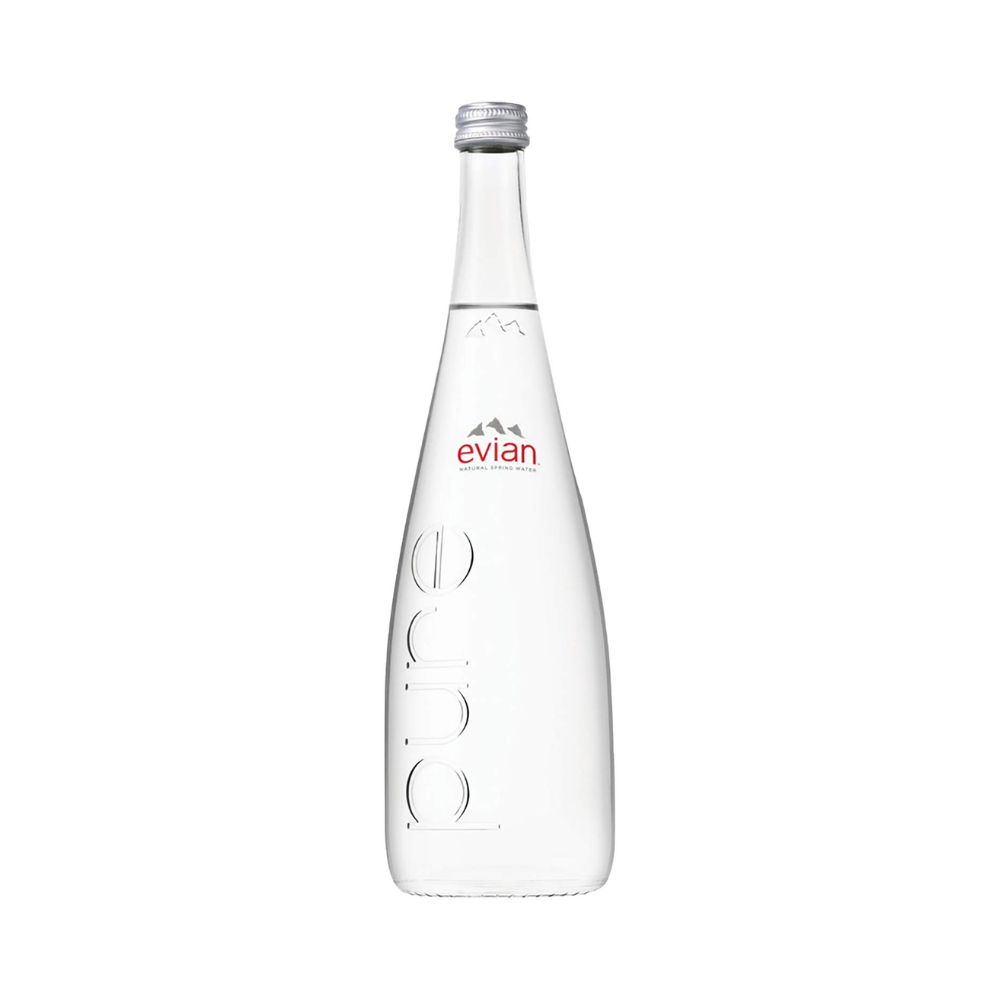
evian-natural-mineral-water-glass-750ml

Evian Natural Mineral Water Glass 750ml

5. The hidden risks of dehydration

When the body lacks sufficient hydration, essential processes such as metabolism, circulation, and detoxification are disrupted. Dehydration is not only uncomfortable in the short term but also leaves profound long-term consequences if ignored.

5.1. Early signs of dehydration

Recognizing the warning signs allows you to restore balance before it affects your well-being:

• Persistent thirst - the most direct signal that your body urgently needs replenishment.

• Dark-colored urine - an indication that the kidneys are conserving fluids.

• Dry skin and chapped lips - skin loses elasticity, looking dull and less radiant.

• Headaches, dizziness, fatigue - even a 2-3% loss of body water can impact brain performance.

• Reduced focus and short-term memory - dehydration decreases blood flow to the brain, impairing cognitive clarity.

5.2. Long-term health implications

Chronic dehydration goes beyond temporary discomfort-it undermines health on multiple levels:

• Kidney dysfunction – higher risk of kidney stones and impaired detoxification.

• Cardiovascular strain – thicker blood forces the heart to work harder.

• Premature aging – dehydrated skin is prone to wrinkles and loss of elasticity.

• Weakened immunity – poor toxin elimination increases susceptibility to infections.

• Digestive issues – constipation, indigestion, and reduced nutrient absorption.

chronic-dehydration-not only-causes-temporary-discomfort-but-also-leads-to-many-serious-health-problems

Chronic dehydration not only causes temporary discomfort but also leads to many serious health problems

5.3. How to prevent dehydration

Maintaining hydration is a daily wellness ritual that safeguards vitality:

• Drink according to your body’s needs – personalize intake based on weight and activity.

• Build mindful habits – keep a water bottle nearby or set gentle reminders.

• Hydrate through food – enjoy water-rich fruits and vegetables such as watermelon, cucumber, or citrus.

• Limit dehydrating beverages – reduce alcohol, coffee, and sugary sodas.

• Choose premium water sources – natural mineral waters enrich the body with essential trace elements while offering unmatched purity.

Even short periods of dehydration can affect daily performance and well-being. Over time, the impact deepens. That’s why cultivating refined hydration habits is not merely a choice-it’s an investment in enduring health and graceful living.

even-short-periods-of-dehydration-can-effect-daily-performance-and-well-being

Even short periods of dehydration can affect daily performance and well-being

>> Learn more: Is bottled orange juice good? 5 vitamins in orange juice

6. Cultivating the habit of daily hydration

Hydration is more than quenching thirst-it is a refined lifestyle choice that nurtures balance, vitality, and beauty from within. By maintaining a consistent habit of drinking enough water each day, you empower both body and mind to perform at their best.

6.1. Elevate your hydration ritual with personal bottles

Carrying a personal bottle ensures you stay mindful of your water intake throughout the day.

Opt for premium glass or stainless steel bottles-not only safer for your health but also an elegant accessory for modern living.

Explore smart water bottles with reminder features, perfect for those with a busy lifestyle.

6.2. Redefine what you drink

Enrich your routine with natural mineral water, sparkling water, or herbal infusions that refresh the senses.

Choose waters rich in essential minerals like calcium, magnesium, and potassium for elevated health benefits.

Create your own infused water with lemon, cucumber, mint, or fresh fruits-a visually beautiful, vitamin-rich twist on daily hydration.

6.3. Design a personalized hydration plan

Set gentle reminders to sip water after waking, before meals, during work breaks, and before bedtime.

Use wellness apps or phone alerts to make hydration seamless, especially for those in office environments.

Build consistency gradually-starting at 1.5 liters/day and increasing to the optimal amount based on body weight and activity level.

staying-well-hydrated-is-not-just-a-physiological-necessity-it-is-the-foundation-of-graceful-living

Staying well-hydrated is not just a physiological necessity-it is the foundation of graceful living

Staying well-hydrated is not just a physiological necessity-it is the foundation of graceful living. From sustaining energy and enhancing metabolism, to nourishing the skin, protecting the heart, and supporting cognitive clarity, water truly acts as the “golden key” to holistic health.

At Annam Gourmet, we curate a premium selection of natural mineral waters-from Evian’s Alpine purity and Perrier’s iconic sparkle, to Volvic’s volcanic freshness. Each bottle is more than hydration-it is a refined indulgence, elevating everyday moments into an expression of wellness, sophistication, and modern elegance.

Contact Information – Annam Gourmet

• Website: https://shop.annam-gourmet.com/ 

• Hotline: 1900 636431

• Email: [email protected]