how to make pasta

Pasta, the quintessential symbol of Italian cuisine, is far more than just “spaghetti.” From a culinary perspective, pasta encompasses a diverse world of shapes, textures, and preparation methods, each reflecting the artistry and refinement of Mediterranean gastronomy. In this article, Annam Gourmet  invites you to explore what pasta is, understand how it differs from spaghetti, and learn how to create an authentic Italian-style pasta dish right in your own kitchen.

1. What Is Pasta? How Is It Different from Spaghetti?

Pasta is one of Italy’s most iconic culinary creations, traditionally made from a blend of durum wheat semolina and water  sometimes enriched with eggs. From a food science perspective, the formation of gluten during kneading gives pasta its signature elasticity and structure, allowing it to hold its shape and maintain that perfectly al dente texture  tender yet pleasantly firm to the bite.

Spaghetti, on the other hand, is a specific type of pasta characterized by its long, thin, cylindrical shape. It’s typically paired with lighter sauces such as tomato-based, olive oil, or cream sauces. In other words, pasta is the broader category, while spaghetti represents just one of the hundreds of unique pasta shapes found in Italian gastronomy.

Nutritionally, both pasta and spaghetti are valuable sources of complex carbohydrates, providing sustained energy. According to Jenkins et al. (2021, American Journal of Clinical Nutrition), consuming whole-wheat pasta can help regulate blood glucose levels and improve carbohydrate metabolism. When properly cooked, pasta also retains much of the grain’s nutritional value while promoting satiety  making it a fitting choice for modern, balanced diets.

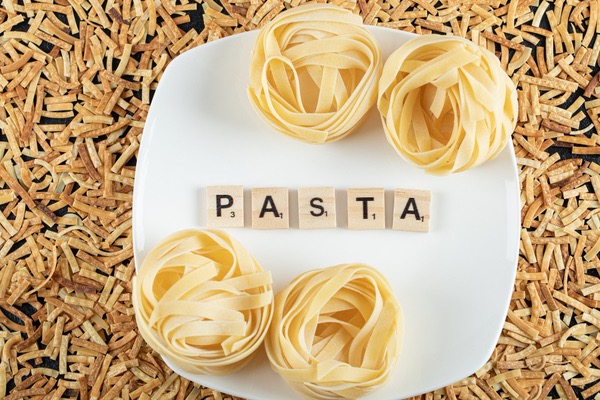
what is pasta

Spaghetti, on the other hand, is a specific type of pasta characterized by its long, thin, cylindrical shape

2. Essential Types of Pasta

In fact, more than 300 varieties of pasta have been documented - differing in shape, size, ingredients, and preparation method. Each reflects the culinary philosophy and regional identity of Italian cuisine.

From a structural perspective, pasta can be grouped into three main categories. 

Long pasta such as spaghetti, linguine, or fettuccine pairs beautifully with light, fluid sauces, as the strands allow the sauce to coat evenly. 

Short tube-shaped pasta, including penne, rigatoni, or macaroni, is ideal for thicker sauces or baked dishes, since its hollow center holds the sauce within.

Shaped pasta like farfalle (bow-tie), fusilli (spiral), and conchiglie (shell) often feature in salads or cold dishes, adding both texture and visual charm.

In terms of ingredients, the most common variety is pasta made from durum wheat semolina, known for its high gluten content that creates a firm, elastic texture. Other modern alternatives include whole-grain pasta, rich in fiber; gluten-free pasta, crafted from rice, lentils, or quinoa; and egg pasta, a fresh, golden dough enriched with eggs - a hallmark of Emilia-Romagna cuisine, home to the iconic tagliatelle al ragù.

When classified by preparation, pasta falls into two main types. 

Dried pasta is slowly dehydrated at low temperatures for long shelf life and everyday convenience. 

Fresh pasta, by contrast, is softer, more fragrant, and traditionally handmade for dishes that demand precision and finesse.

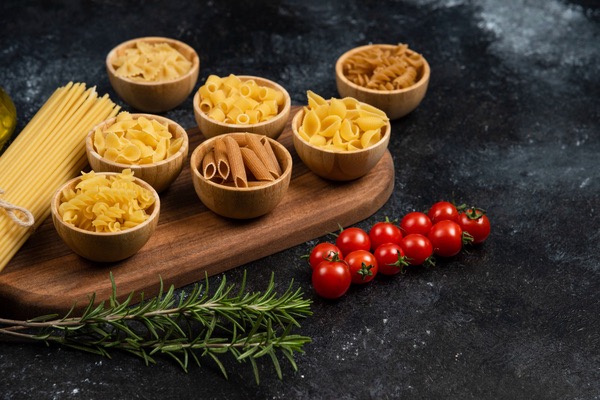
more than 300 varieties of pasta have been documented

In fact, more than 300 varieties of pasta have been documented

3. Cooking Methods of Pasta

Depending on its thickness, composition, and shape, pasta can be prepared in various ways, each method creating distinct sensory and nutritional outcomes.

Boiling is the most common technique. Pasta is cooked in salted boiling water to stabilize its gluten and starch structure. The ideal al dente texture  when the center remains slightly firm to the bite  is considered the benchmark of proper cooking. Overcooking breaks down protein bonds, leaving the pasta soft and lacking its signature elasticity.

Baking is typically used for penne, rigatoni, or lasagna. During baking, the Maillard reaction between sugars and proteins forms a golden crust and deepens the flavor, adding a comforting richness to the dish.

Sautéing enhances flavor absorption. Common in dishes like aglio e olio or pasta primavera, the technique involves gently tossing pasta with olive oil, garlic, and herbs  allowing the sauce to coat evenly while preserving moisture and aroma.

Certain filled varieties, such as ravioli or tortellini, are lightly boiled or steamed. These delicate pastas require precise temperature and timing to ensure the filling is perfectly cooked without tearing the dough.

Interestingly, cooling pasta after cooking can also improve its nutritional profile. According to the British Nutrition Foundation (2022), when pasta is cooled, its starch undergoes retrogradation, transforming into resistant starch, a type of carbohydrate that helps stabilize blood sugar levels and support gut health.

From a simple blend of flour and water, pasta becomes a masterpiece of culinary science, a dish where chemistry, texture, and tradition harmonize to create a refined sensory experience.

pasta can be prepared in various ways

Depending on its thickness, composition, shape, pasta can be prepared in various ways

4. A Step-by-Step Guide to Making Pasta Bolognese

Italian cuisine is celebrated for its elegance and sincerity, values expressed through the purity of every ingredient. Among its most iconic dishes, Pasta Bolognese, originating from Bologna, embodies the philosophy of “simple ingredients, perfect harmony.”

4.1. How to Make Fresh Pasta

4.1.1. Ingredients and Tools

Ingredients:

200g semolina flour or Tipo “00” flour

2 organic eggs

1 teaspoon extra virgin olive oil

A pinch of sea salt

Tools:

A clean wooden board or countertop for kneading

A pasta roller or rolling pin

A sharp knife or pasta cutter

A damp kitchen towel to cover the dough

Italian cuisine is celebrated for its elegance

Italian cuisine is celebrated for its elegance and sincerity

4.1.2. Making the Pasta Dough

Step 1: Form the dough base: On a clean surface, mound the flour into a volcano shape and create a well in the center. Add the eggs, olive oil, and salt. Using a fork, gently whisk the eggs while gradually incorporating the flour from the edges.

Step 2: Knead the dough: When the mixture starts to come together, knead it by hand for 8-10 minutes until smooth, elastic, and non-sticky. Wrap the dough in cling film and let it rest for 30 minutes at room temperature to allow the gluten to develop.

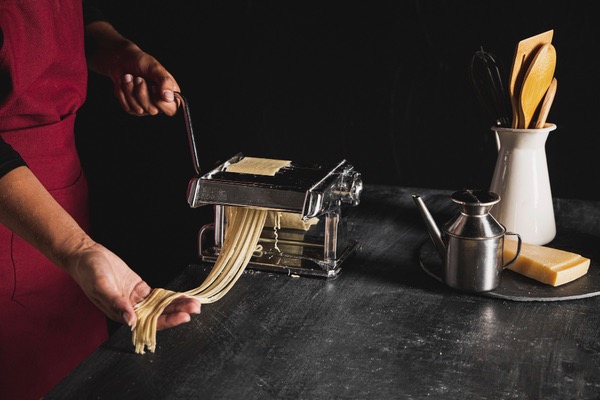
Step 3: Roll out the dough: Divide the dough into three portions. Using a pasta machine or rolling pin, flatten each piece into thin sheets about 1-2mm thick,  just enough to maintain a slightly chewy texture after cooking.

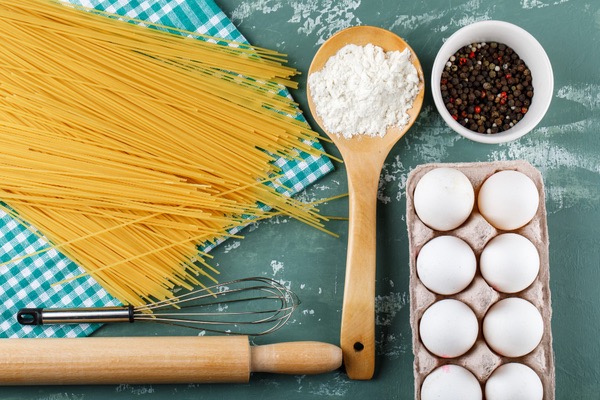
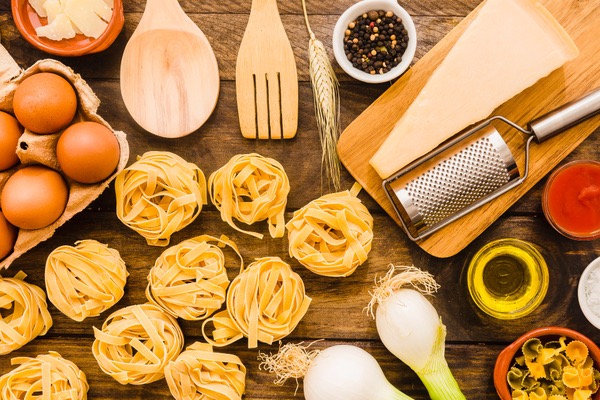
how to make pasta dough

On a clean surface, mound the flour into a volcano shape and create a well in the center

4.1.3. Shaping the Pasta

Once the dough has been rolled out, you can shape it according to the dish you wish to prepare:

Tagliatelle: Cut into long ribbons about 6mm wide. This shape pairs beautifully with rich, meaty sauces like Bolognese.

Farfalle: Slice small rectangles and pinch the centers to form elegant “bow ties.” Ideal for cold pasta salads.

Pappardelle: Cut into broad ribbons about 2cm wide. Perfect for creamy or mushroom-based sauces.

Filini: Slice into fine, delicate strands, best suited for light soups or broths.

Arrange the pasta on a lightly floured tray and let it rest for 15 minutes before cooking. This short drying process allows the dough to firm up, ensuring the strands hold their shape perfectly when boiled.

shape the pasta

You can shape it according to the dish you wish to prepare

4.2. Making Authentic European-Style Pasta Bolognese

A beloved dish from Emilia-Romagna, Pasta Bolognese is a true emblem of classic Italian cuisine. The richness of slow-cooked beef, red wine, and tomato creates a velvety sauce that beautifully coats every strand of fresh pasta.

4.2.1. Ingredients for the Bolognese Sauce

Meat and Vegetables:

300g freshly ground beef (choose a cut with moderate fat for natural richness)

100g ground pork (optional, to balance texture and enhance sweetness)

1 onion, 1 carrot, and 1 celery stalk - finely chopped to build a fragrant flavor base

Aromatic Ingredients:

Cauvin Extra Virgin Olive Oil - for a smooth, delicate taste that preserves the natural flavor of the vegetables.

Mutti Tomato Puree - made from ripe Italian tomatoes for a natural red hue and balanced sweetness.

Mutti Double Concentrated Tomato Paste - deepens the color and adds a rich, robust dimension to the sauce.

Italian Red Wine (Chianti DOCG, Nero d’Avola, or Cabernet Sauvignon) - to deglaze the pan, remove any meaty aroma, and layer in complex, elegant notes.

Parmigiano-Reggiano, finely grated - to finish the dish with a hint of saltiness and mature dairy richness.

Seasonings: Sea salt, freshly ground black pepper, and a touch of dried oregano or basil to bring warmth and balance to the sauce.


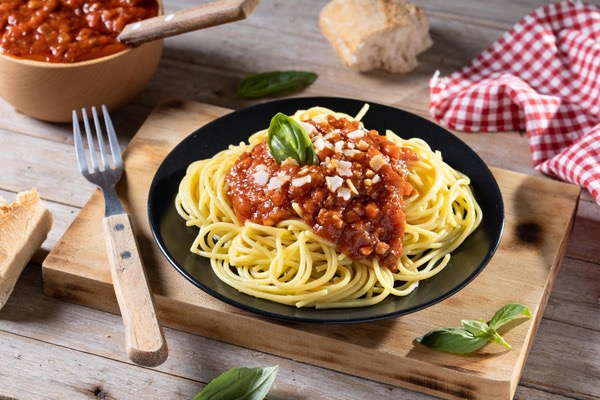
 Pasta Bolognese

A beloved dish from Emilia Romagna, Pasta Bolognese is a true emblem of classic Italian cuisine

4.2.2. Preparing the Bolognese Sauce

Step 1: Create the Soffritto (Aromatic Base): In a deep pan, heat 2 tablespoons of Cauvin Extra Virgin Olive Oil over medium heat. Add finely chopped onion, carrot, and celery, then sauté gently for 5-7 minutes until the vegetables soften and release their signature sweet aroma. This forms the soffritto-the flavorful foundation of every authentic Italian sauce.

Step 2: Brown the Meat and Build Depth of Flavor: Add the ground beef and pork mixture to the pan. Stir continuously until the meat is lightly browned and the texture begins to firm up. Once cooked through, slowly pour in 100ml of Italian red wine, letting it simmer on low heat until the liquid evaporates, leaving behind its deep, refined aroma.

Step 3: Simmer the Tomato Sauce: Stir in 2 teaspoons of Mutti Double Concentrated Tomato Paste and 200ml of Mutti Tomato Puree. Mix well and reduce the heat to low. Season with sea salt, black pepper, oregano, or dried basil. Cover the pan and let the sauce simmer gently for 30-45 minutes. This slow-cooking process thickens the sauce naturally, allowing the flavors to meld harmoniously-a defining hallmark of an authentic European-style Bolognese.

Step 4: Finish and Serve: Cook your fresh or dried pasta until al dente-tender yet slightly firm to the bite. Toss the pasta directly in the hot pan with the Bolognese sauce for about 1 minute, allowing every strand to be evenly coated.
Plate beautifully, then sprinkle with freshly grated Parmigiano-Reggiano and a touch of cracked black pepper for the perfect balance of aroma, flavor, and visual appeal.

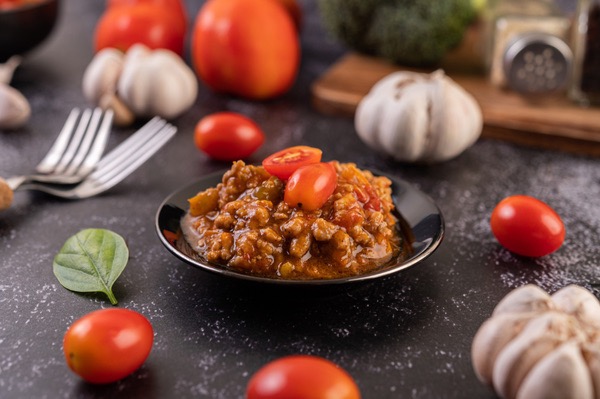
Preparing the Bolognese Sauce

In a deep pan, heat 2 tablespoons of Cauvin Extra Virgin Olive Oil over medium heat

4.3. Plating and Presentation

Gently twirl the pasta into a deep serving plate, allowing each strand to fall neatly into place. Spoon an extra layer of rich Bolognese sauce on top, then garnish with fresh basil or parsley for a touch of natural color and aroma. To complete the experience, pair it with a glass of Italian red wine, such as Chianti or Nero d’Avola, whose balanced tannins beautifully complement the richness of the sauce and the sweetness of ripe tomatoes.

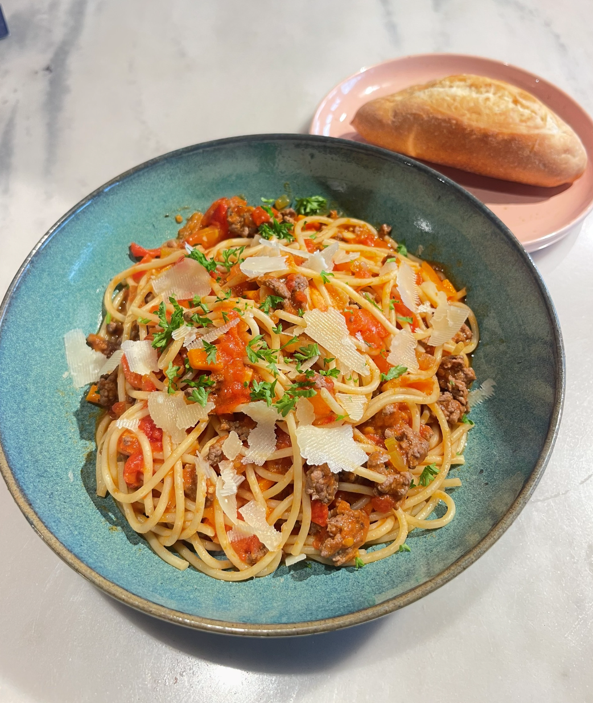
Plating and Presentation pasta

Gently twirl the pasta into a deep serving plate, allowing each strand to fall neatly into place

At Annam Gourmet, you can not only find the full range of authentic ingredients to craft your own Bolognese Pasta at home, but also savor its perfected version, expertly prepared by our professional chefs at  Annam Lounge. You can enjoy the Bolognese Pasta featuring tender pasta, rich Bolognese sauce, and fragrant cheese - an authentic Italian-style option for every guest.

ACG Bolognese Pasta (Portion)

Enjoy an authentic Pasta Bolognese at Annam Lounge

>> Read more: 4 Steps to make Delicious and Easy Spaghetti Bolognese recipes 

From your home kitchen to a refined dining space, every detail reflects the journey of this Italian classic: selecting premium ingredients, handcrafting the pasta, and embracing the art of mindful enjoyment. Each element is thoughtfully connected, inviting every food lover to discover inspiration, exceptional quality, and the pure joy of gastronomy from ingredients to dining.

Contact Information - Annam Gourmet

Website: https://shop.annam-gourmet.com/ 

Hotline: 1900 636431

Email: [email protected]

References

Carpentieri, S., Larrea-Wachtendorff, D., & Ferrari, G. (2024). Influence of semolina characteristics and pasta-making process on the physicochemical, structural, and sensorial properties of commercial durum wheat spaghetti. Frontiers in Food Science and Technology, (Article 1416654). https://doi.org/10.3389/frfst.2024.1416654 

Clarke, J. M., & et al. (2022). Factors affecting the nutritional, health, and technological quality of durum wheat semolina and pasta products. Foods, 11(9), Article 1307. https://doi.org/10.3390/foods11091307 

Jenkins, D. J. A., et al. (2019). Pasta’s history and role in healthful diets. Nutrition Today, 54(5), 227-233. https://doi.org/10.1097/NT.0000000000000348  

WebMD. (n.d.). Are there health benefits of durum wheat? WebMD. Retrieved from https://www.webmd.com/diet/are-there-health-benefits-of-durum-wheat

Encyclopaedia Britannica. (n.d.). Bolognese sauce. In Britannica. Retrieved from https://www.britannica.com/topic/Bolognese-sauce