understand-full-cream-milk

Full cream milk is one of the most commonly consumed dairy products, favored by many households for its naturally rich flavor and high nutritional value. However, many people still wonder what full cream milk is, how it differs from other types of milk, and whether it is suitable for daily consumption. In this article, Annam Gourmet helps you better understand full cream milk, how to distinguish it from other milk varieties and the key benefits of using it correctly.

1. What Is Full Cream Milk?

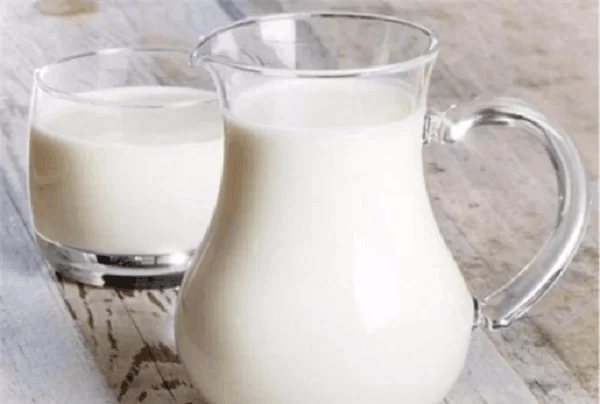
Full cream milk is cow’s milk that has been pasteurized or sterilized while retaining its natural milk fat content. full cream milk typically contains around 3.25-3.5% milk fat, which gives it a rich, creamy taste and a smooth, velvety texture.

Unlike reduced-fat or skim milk, full cream milk preserves most of its naturally occurring nutrients, including protein, calcium, vitamins A and D, as well as fat-soluble compounds. Thanks to its balanced nutritional profile, full cream milk is widely used in everyday diets and as an ingredient in cooking and beverages that require natural creaminess.

2. How Full Cream Milk Differs from Other Types of Milk

Understanding the differences between full cream milk and other common milk varieties can help you choose the right product for your dietary needs.

2.1. Full cream milk vs Skimmed Milk

Skimmed milk is milk from which part or nearly all of the fat has been removed. As a result, it has a lighter taste, lower fat content, and fewer calories than full cream milk. This type of milk is often suitable for individuals following a low-fat diet or managing calorie intake.

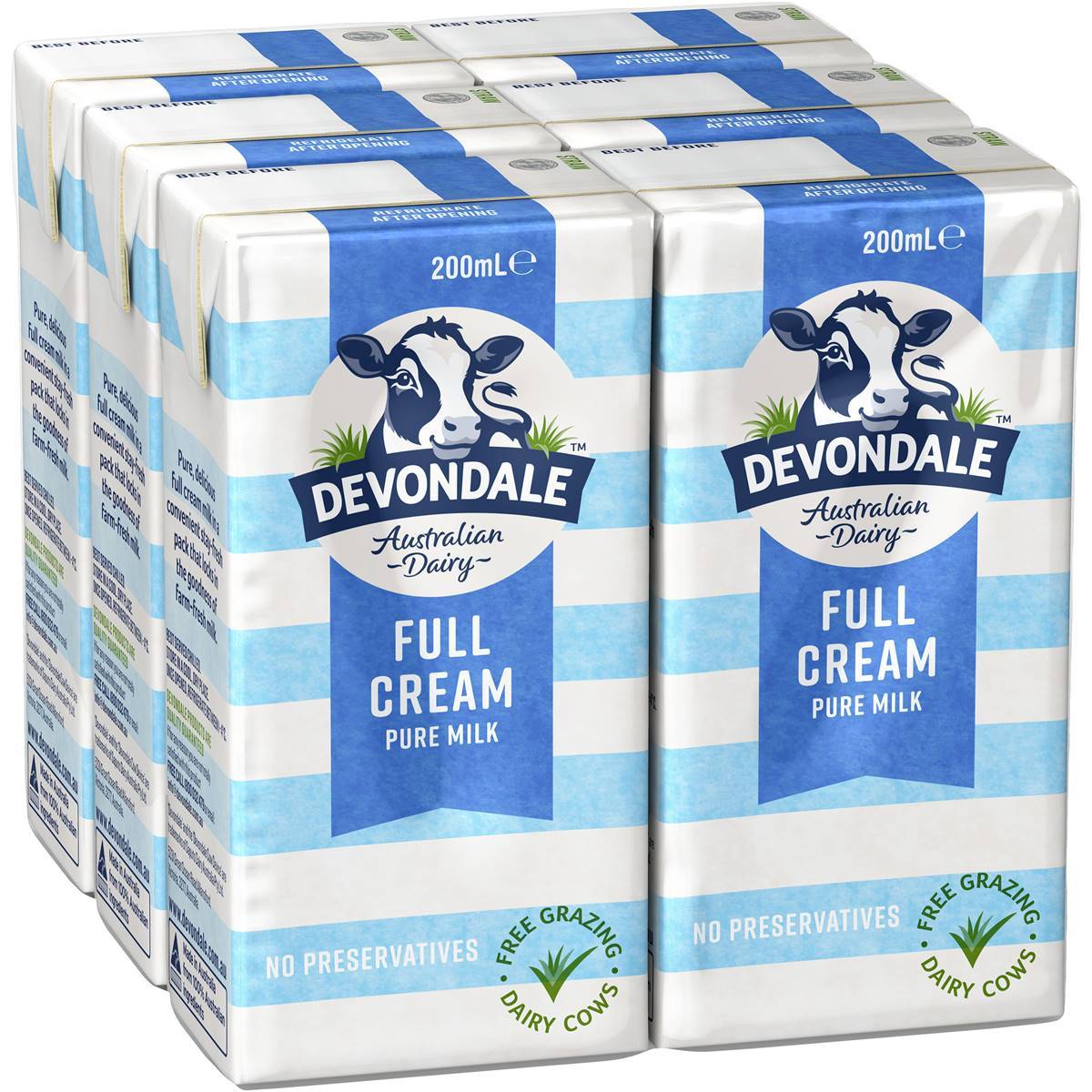
Sữa tươi nguyên kem Devondale 6x200ml

Devondale Full Cream Milk

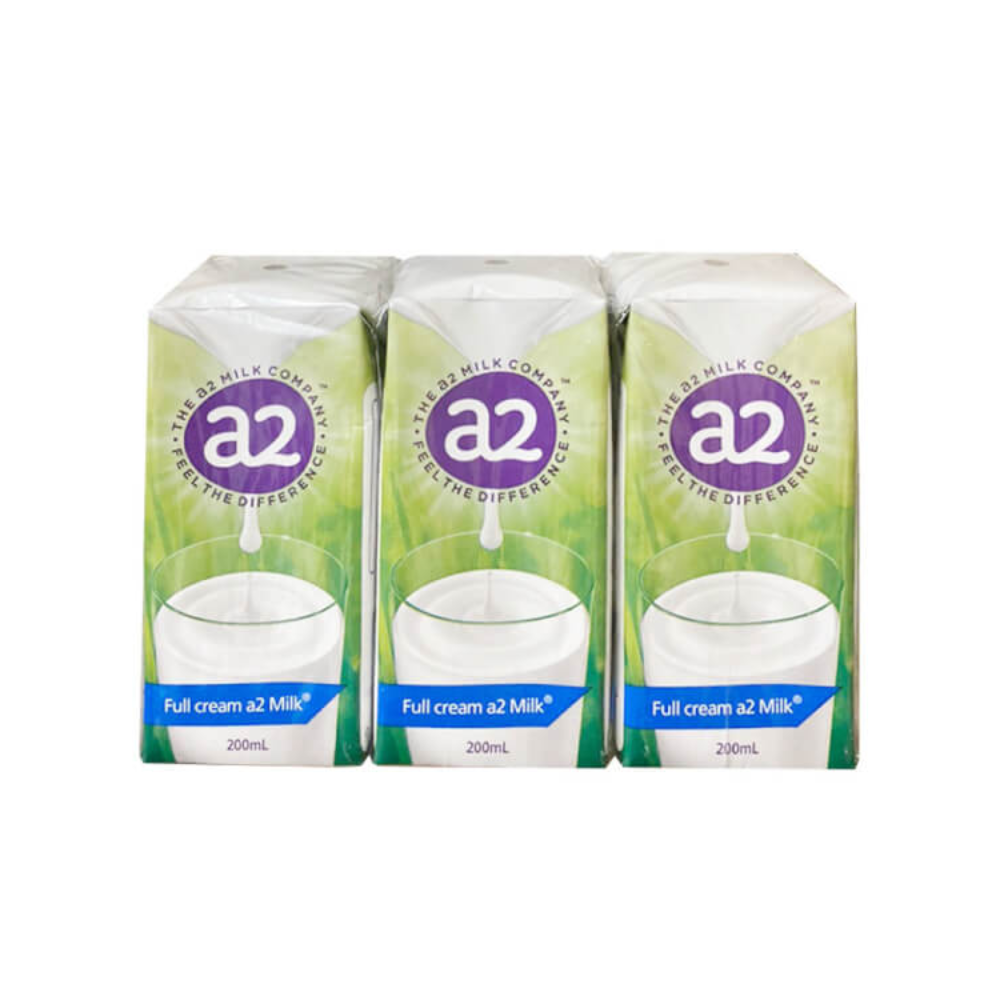
In contrast, full cream milk retains its natural milk fat, offering a fuller flavor and a longer-lasting feeling of satiety. Imported full cream milk products from Australia, such as Devondale Full Cream Milk 6x200ml or A2 Full Cream Milk 6x200ml, are often praised for their balanced creaminess and smooth mouthfeel. With their clean, mild flavor, these products are suitable for daily drinking as well as home cooking and baking.

sua-nguyen-kem-a2

A2 Full Cream Milk

2.2. full cream milk vs Low-Fat / Fat-Free Milk

Low-fat or fat-free milk is processed to reduce its fat content to a minimum. This type of milk is commonly chosen by individuals aiming to control body weight or follow a fat-restricted diet.

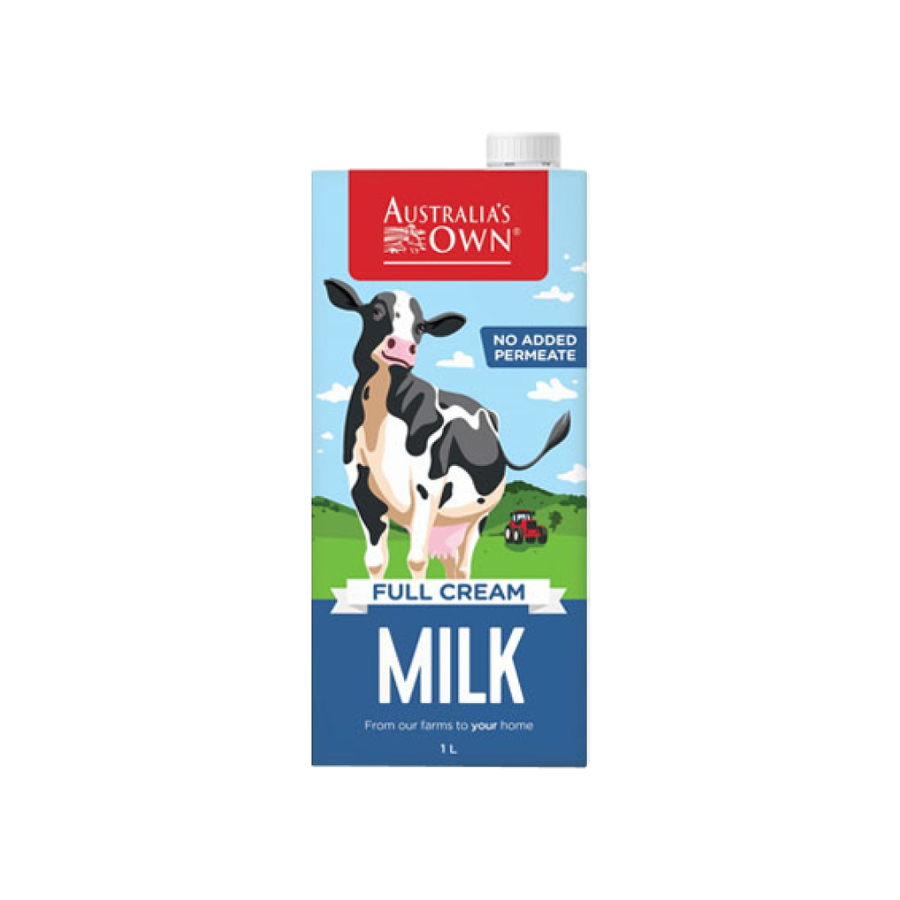
By contrast, full cream milk provides a full spectrum of natural fats, which helps support the absorption of fat-soluble vitamins such as vitamins A and D. Some imported full cream milk products, such as Australia's Own UHT Milk Full Cream A2 1L maintain a naturally balanced fat content and a smooth, pleasant taste. These characteristics make them suitable for children, individuals with higher energy needs, and everyday cooking or baking.

STTT A2 nguyên kem Australia's Own (1L)

Australia's Own UHT Milk Full Cream A2 (1L)

2.3. full cream milk vs Infant Formula

Infant formula is specially formulated with added micronutrients to meet the nutritional needs of infants or individuals with specific dietary requirements. Its protein, fat, and vitamin composition is adjusted according to different developmental stages.

Full cream milk, on the other hand, is a more natural product with minimal formulation intervention. It is suitable for daily household use and food preparation. Imported full cream milk products from Australia, such as Australia's Own UHT Milk Full Cream 1L, are often selected for their natural creaminess and original milk flavor, making them suitable for both direct consumption and cooking applications.

STTT nguyên kem Australia's Own (1L)

Australia's Own UHT Milk Full Cream (1L)

3. Benefits of full cream milk

When consumed appropriately, full cream milk offers several nutritional benefits:

Provides natural energy thanks to its balanced fat content

Supports the absorption of vitamins A and D, contributing to bone and eye health

Rich in protein and calcium, helping support muscle development and strong bones

Naturally creamy flavor that works well in a wide range of recipes

Because of these benefits, full cream milk is commonly consumed at breakfast, used as a base for coffee or cereal, and incorporated into desserts and baked goods.

4. Frequently Asked Questions About full cream milk (FAQ)

4.1. Is full cream milk Good for You?

full cream milk can be beneficial for health when consumed in appropriate amounts. It provides essential nutrients and is particularly suitable for children, individuals with higher energy needs, or those who are physically active.

4.2. Does Drinking full cream milk Cause Weight Gain?

full cream milk contains more fat than skimmed milk, but when consumed in moderation as part of a balanced diet, it does not necessarily lead to uncontrolled weight gain. Portion control and overall dietary balance are key factors.

4.3. Who Should and Should Not Drink full cream milk?

Recommended for:

Children

Individuals needing additional energy

Underweight individuals or those with higher nutritional requirements

Should limit consumption:

People following strict weight-loss diets

Individuals with high cholesterol or those advised by healthcare professionals to limit fat intake

4.4. What Is full cream milk Commonly Used For?

In addition to drinking it on its own, full cream milk is widely used for:

Coffee, cocoa, and milk tea

Baking, ice cream, sauces, and desserts

Soups, porridges, and savory dishes that require natural creaminess

full cream milk remains a familiar and nutritious choice thanks to its natural richness and diverse nutritional value. Understanding what full cream milk is, how it differs from other milk types, and how to use it correctly can help you maximize its benefits in your daily diet. When choosing milk, you may explore products available at Annam Gourmet, where clear sourcing and quality standards are emphasized to ensure long-term peace of mind for consumers.

Contact Information – Annam Gourmet

• Website: https://shop.annam-gourmet.com/

• Hotline: 1900 636431

• Email: [email protected]