fermented fruit juice

Fermented fruit juice not only keeps the natural taste of the fruit but also brings many health benefits thanks to the clever fermentation process. From apple and berry ciders to fruit-flavored Kombucha or light Sangria, each type has its own special features, offering a unique drinking experience. In this article, Annam Gourmet will help you learn in detail about different kinds of fermented fruit juice, their production process, how to use them, how to pair them with food, and answer common questions.

1. What is Fermented Fruit Juice?

Fermented fruit juice is a drink made from fresh fruit juice (like apple, grape, berry, pineapple, or plum) that goes through fermentation by microorganisms such as yeast or lactic acid bacteria. This process creates a complex flavor that is slightly sweet, nicely sour, and sometimes naturally fizzy. Depending on the method and type of culture used, the final product can have a low alcohol content (like cider) or be completely non-alcoholic while still being rich in healthy microbes.

Fermented fruit juice offers many benefits for the body, including:

Aiding digestion and balancing gut flora: Many types of fermented juice contain probiotics that help improve digestion and reduce bloating.

Providing nutrients and antioxidants: Fermented juice keeps the natural vitamins, minerals, and antioxidant compounds from the fruit, which help protect cells and support the immune system.

A healthy alternative to caffeine or chemical drinks: It's a natural choice that helps you limit unnecessary substances while still enjoying a fresh fruit flavor.

Rich and easy-to-drink flavor: With many types of fruit and fermentation styles, fermented juice is suitable for many people, even those not used to stronger fermented drinks.

nuoc-trai-cay-len-men-la-gi

Fermented fruit juice is a beverage made from fresh fruit juice such as apple, grape, berry (Source: Google)

2. Popular Types of Fermented Fruit Juice

If you are interested in popular fermented fruit juices on the market, here are a few suggestions from Annam Gourmet:

2.1. Apple Cider or Berry Cider

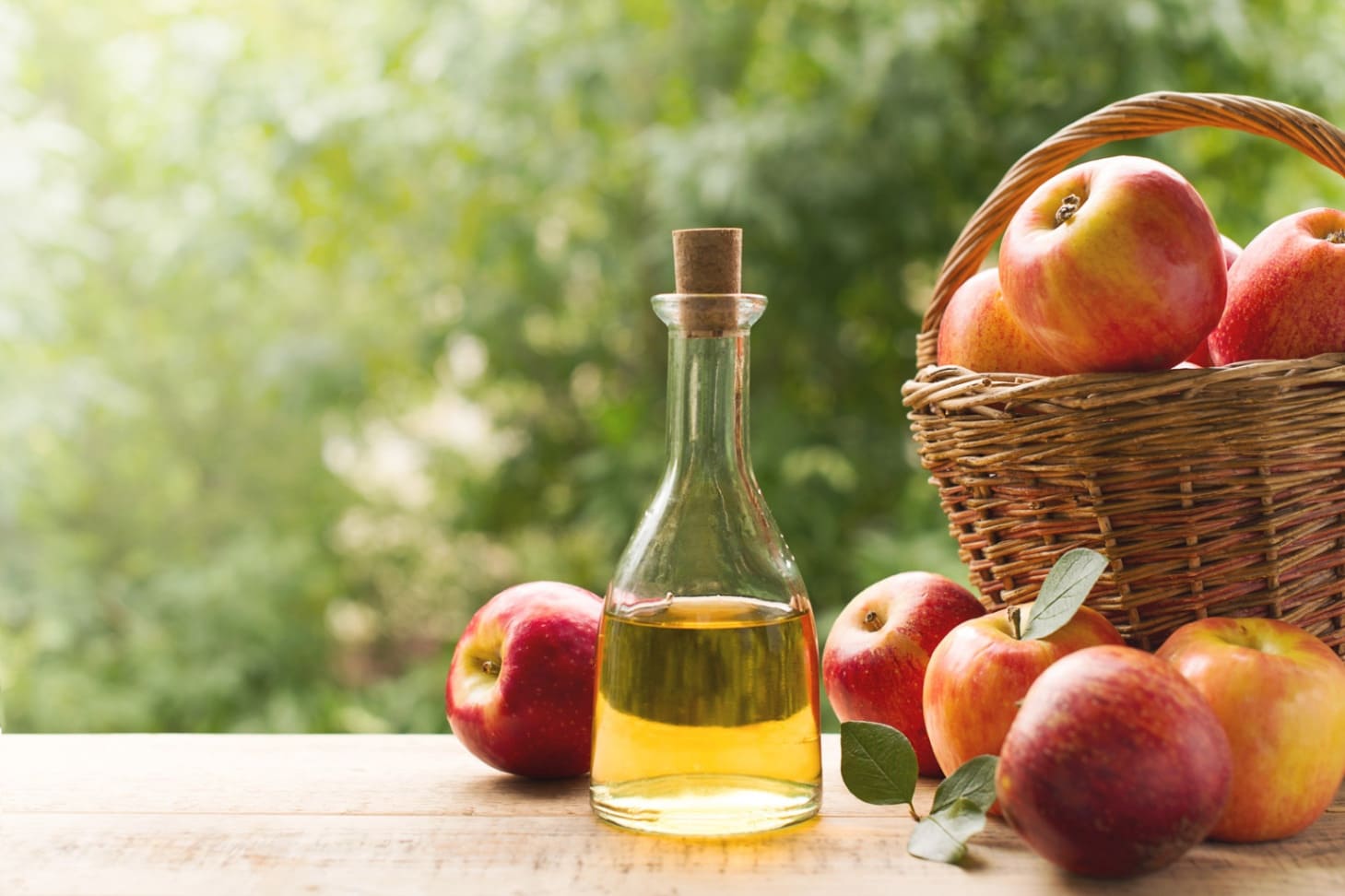
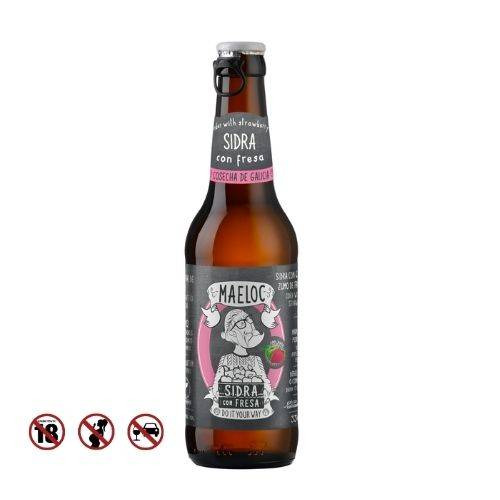
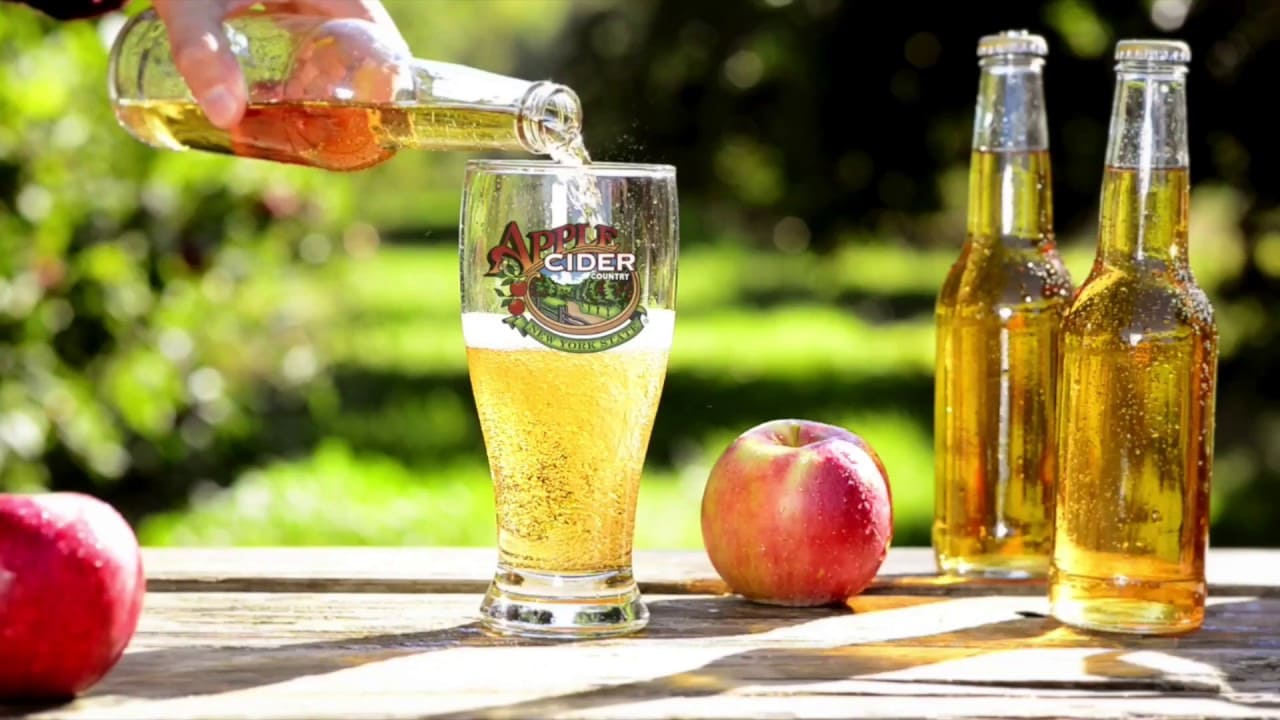
Cider is a classic fermented fruit juice, usually made from apple juice. After fermentation, the drink has a balanced sweet and sour taste, may be slightly sparkling, and contains a low alcohol level (about 2.5–8.4%). Besides apple, many places also make cider from various berries, offering more flavor choices. You can check out the regular fermented apple juice or Dry Cider from Annam Gourmet, both of which are delicious and great for those new to fermented drinks.

cider-tao-hoac-cherry

Cider is a classic fermented fruit juice, usually made from apple juice.

2.2. Fruit-Flavored Kombucha

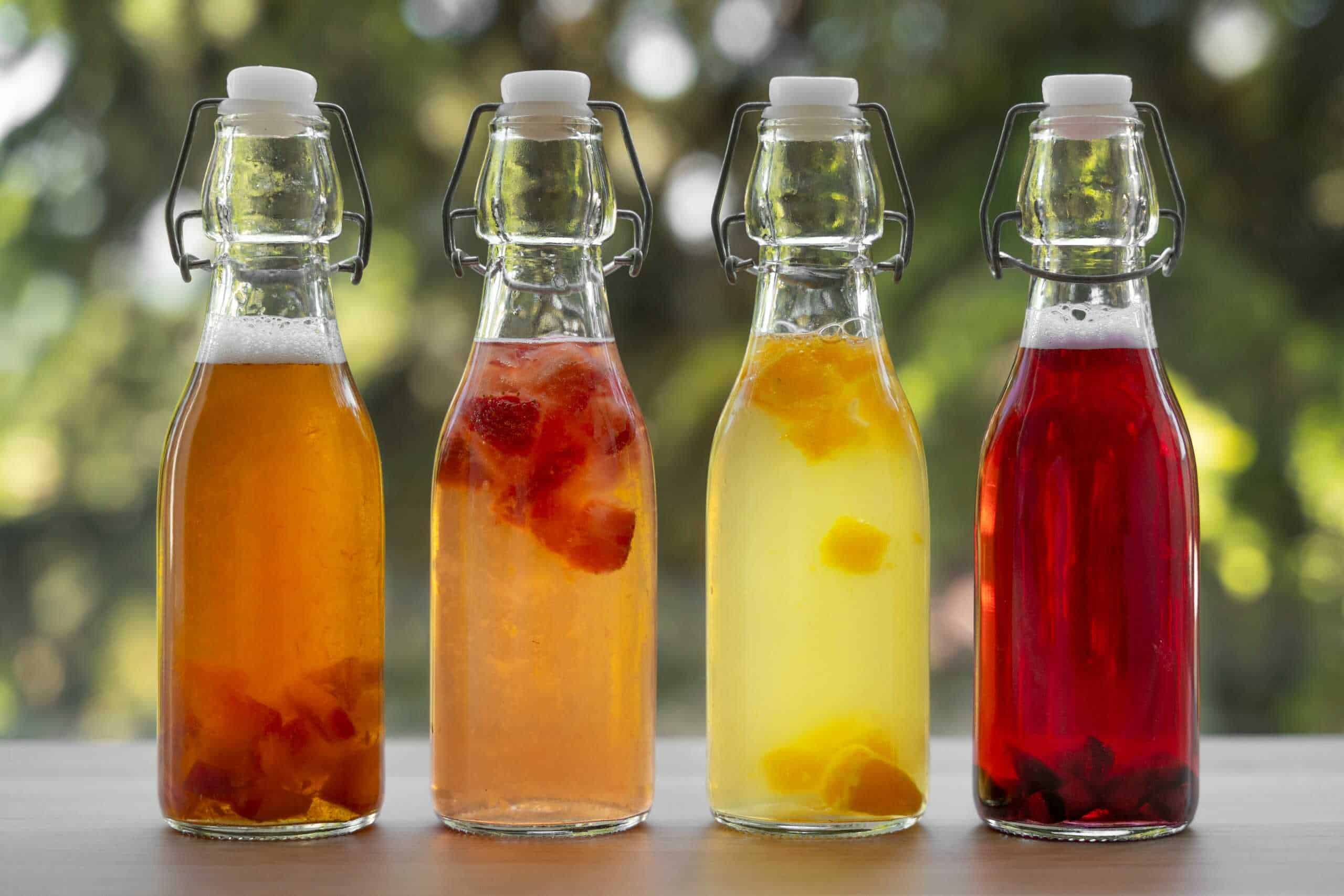
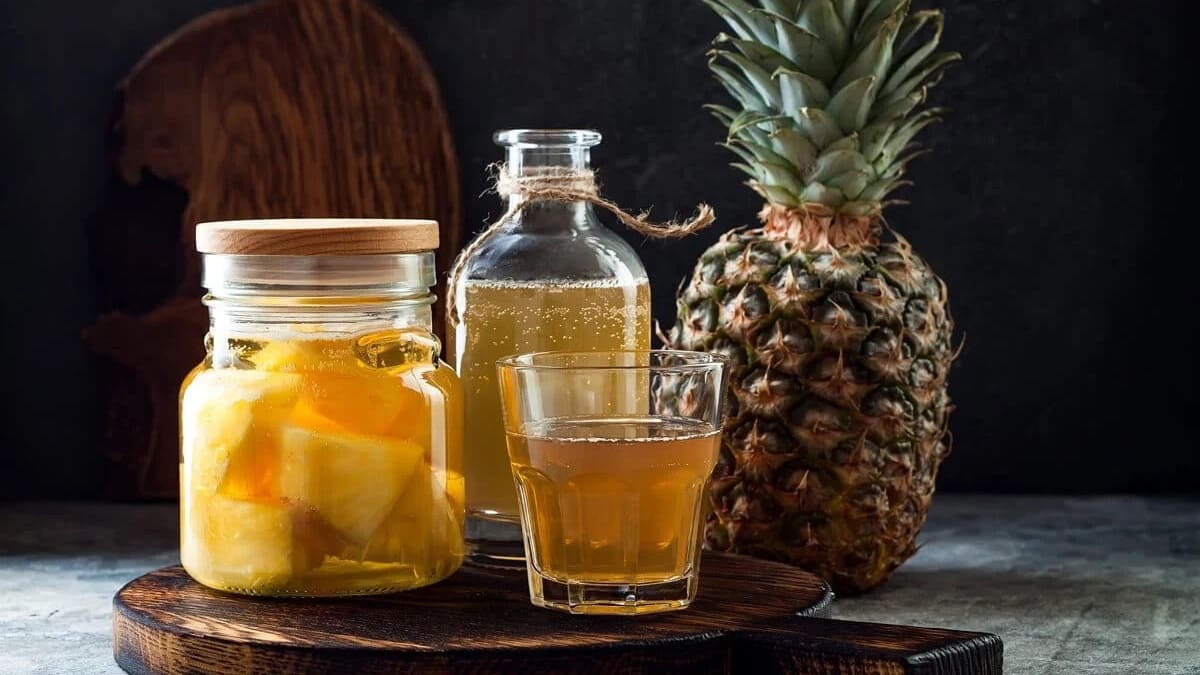
This is fermented juice combined with the Kombucha process, using microorganisms like yeast and lactic acid bacteria. This creates a drink that is gently sour, slightly fizzy, and keeps the fresh fruit flavor. Kombucha not only offers a unique drinking experience but also contains probiotics, good bacteria for the gut that aid digestion, balance the gut system, and boost overall health.

kombucha-vi-trai-cay

Kombucha not only offers a unique drinking experience, but also contains probiotics (Source: Google)

2.3. Sparkling Fermented Juice

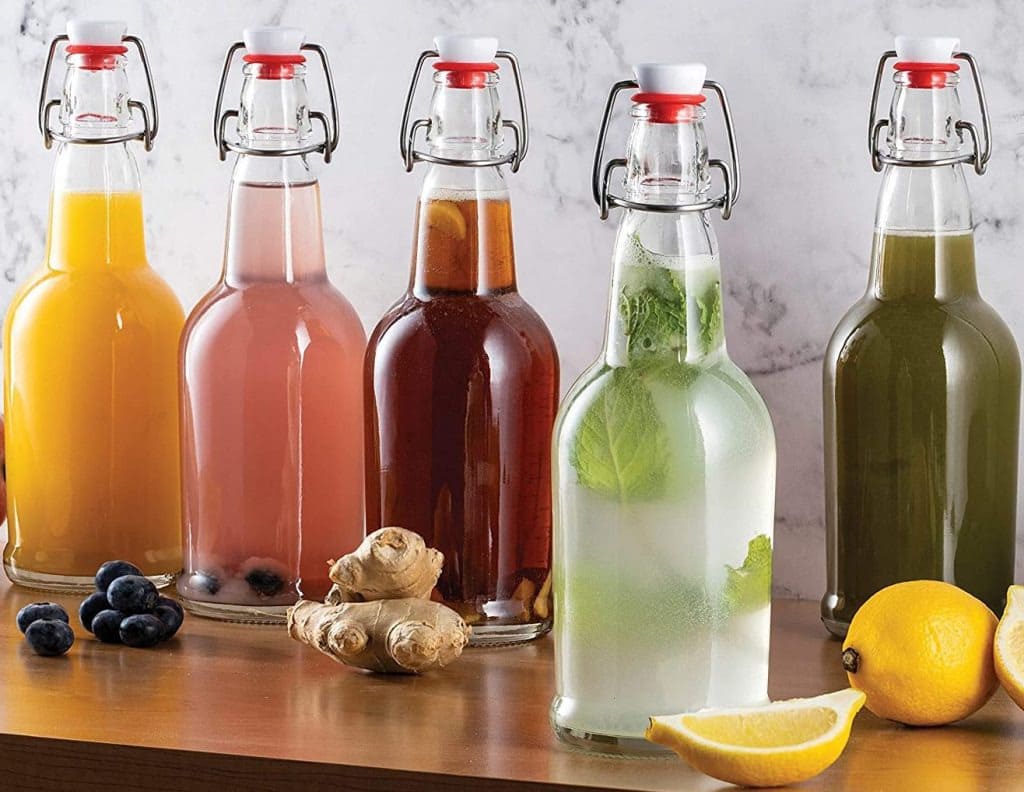
Sparkling fermented juice is treated to keep its natural bubbles or have light carbonation added, making it very refreshing. It keeps the fresh fruit taste, mixing natural sweetness with light sourness, which is both thirst-quenching and a step up from regular juice. This type is great for gatherings, picnics, or when you want a healthier replacement for industrial soft drinks.

nuoc-trai-cay-len-men-co-ga

Sparkling fermented juice is a fermented fruit juice that is processed to retain natural bubbles (Source: Google)

2.4. Light Sangria

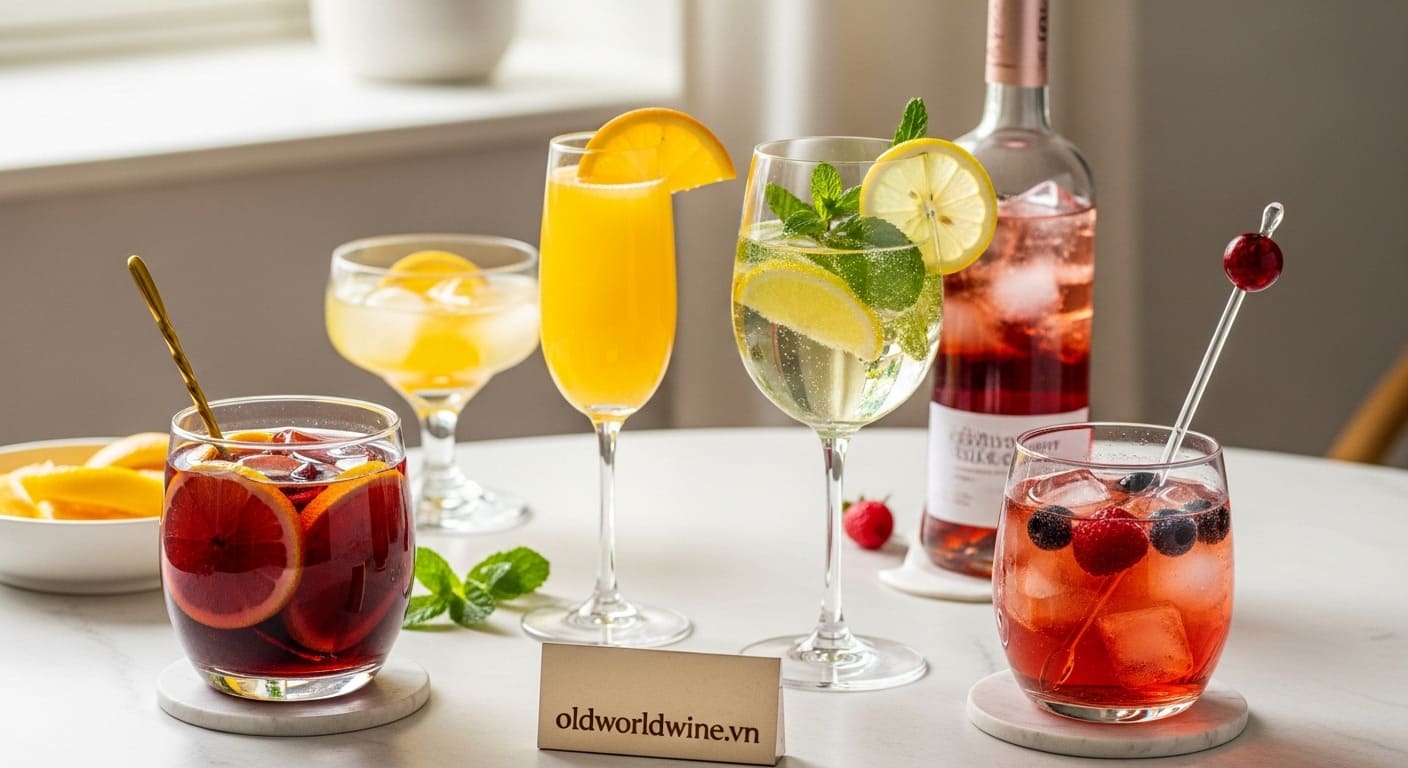
Light Sangria is a version of fermented fruit juice that combines various fresh fruits, sometimes with a little spice or herb for a rich and easy-to-drink flavor. With an alcohol content much lower than wine or liquor, light Sangria is still refreshing and cool, perfect for parties, family gatherings, or festivals.

sangria-nhe

Light sangria is a variation of fermented fruit juice, combining many types of fresh fruit (Source: Google)

3. Fermented Fruit Juice Production Process

To ensure quality and flavor, manufacturers generally follow a basic process:

Choosing Ingredients: Fruits are carefully selected, fresh, and thoroughly cleaned to ensure natural flavor and safety.

Preparing the Fermentation Liquid: After juicing, the liquid is sterilized and environmental factors like temperature and pH are adjusted before the fermentation process begins.

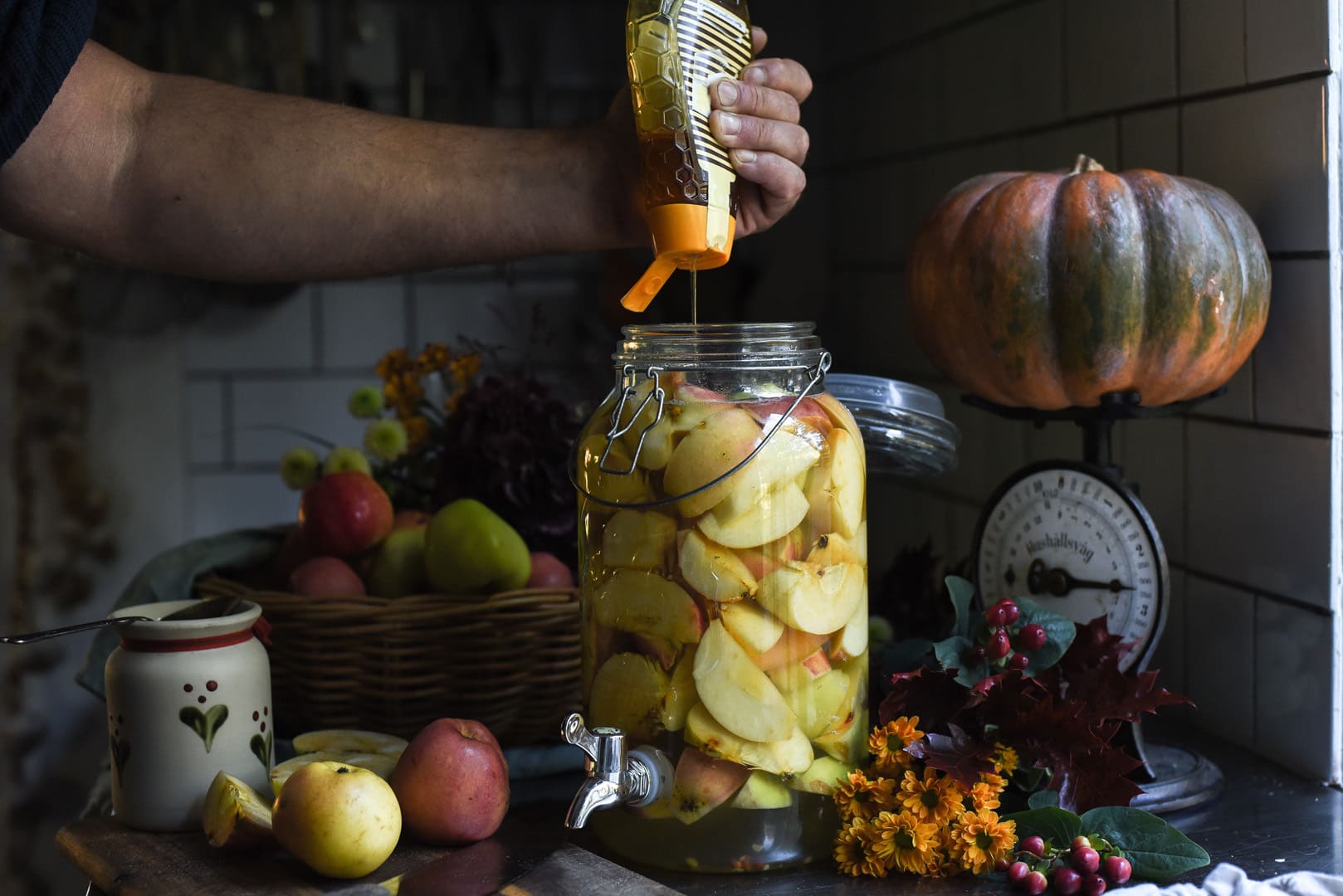
Fermentation: Yeast or bacteria (such as lactic acid bacteria) are added. They convert the sugars into acid, alcohol (in some cases), and gas, creating the drink's special flavor. The fermented liquid is then filtered, bottled, or packaged in sterile containers to fully preserve the flavor and ensure product safety.

Most current products are fermented using wine yeast, so they contain a certain amount of alcohol, giving them the typical taste of traditional fermented drinks.

san-xuat-nuoc-trai-cay-len-men

Specific steps for producing fermented fruit juice (Source: Google)

4. Things to Note When Using Fermented Fruit Juice

Although fermented fruit juice offers many benefits, not all products are safe or suitable for everyone. Some things to note:

Alcohol Content: Some products have alcohol from the fermentation process, so they are not suitable for children, the elderly, or anyone who needs to limit alcohol.

Unproven Claims: Many products are advertised with benefits like "skin beauty" or "perfect digestion" without specific scientific proof.

Choose Reputable Products: You should choose fermented juice with a clear origin, strict production process, and complete information on alcohol and probiotic content.

Use a Reasonable Amount: Avoid drinking too much in a day to prevent stomach irritation or diarrhea from excessive lactic acid and bacteria.

Drug Interactions: People taking medication should consult a doctor before using fermented drinks to avoid unwanted interactions.

Experts recommend being smart when choosing and using fermented fruit juice. Meanwhile, non-alcoholic lactic acid fermented juices are a safer choice, providing good bacteria without negatively affecting health.

luu-y-su-dung-nuoc-trai-cay-len-men

Some things to know when using fermented fruit juice (Source: Google)

5. Ways to Pair Fermented Fruit Juice with Food

To fully enjoy the taste and benefits, pairing fermented juice with the right food can make the meal more appealing, balance the taste, and aid digestion:

With salads, greens, or light dishes: Fermented juice, especially lighter types like Kombucha with its sour-soft and sometimes slightly fizzy taste, pairs well with salads, mixed greens, or grilled vegetables. The sourness and light fizz help "cleanse" the palate, making the food feel fresher.

With protein or fatty foods like meat, cheese, charcuterie: The natural acidity in fermented drinks helps cut through the richness, fat, and oil from meat, cheese, or high-fat dishes. For example, a glass of Kombucha or light fermented fruit juice can balance the taste when eating grilled meat or cheese.

As a light refreshment after a meal or with spicy/strong-flavored food: With spicy or heavily seasoned food, fermented juice helps "cool down" and clean the palate. The sourness and slight fizz of the drink will neutralize the strong, spicy flavor of the food.

With sweets, fruit desserts, dark chocolate, or light cakes: For desserts, fermented juice (especially light fruit types or fruit Kombucha) helps balance the sweetness, creating a refreshing feeling afterward.

Used as a base for cooking or a sauce to replace vinegar/lemon juice: With its mild acidity and natural fruit flavor, fermented juice can be used as an ingredient for salad dressing, a sauce for dishes, or to marinate meat/fish, adding a rich but natural flavor to the food, avoiding the use of too much vinegar or additives.

cac-cach-ket-hop-nuoc-trai-cay-len-men

Some ways to combine fermented fruit juice with dishes (Source: Google)

6. Frequently Asked Questions (FAQ)

6.1. Does fermented fruit juice contain alcohol?

Fermented fruit juice might contain alcohol depending on the fermentation process. Many commercial products have a very low alcohol content, almost non-alcoholic, but some stronger fermented types may have a higher amount.

6.2. Is it good to drink fermented fruit juice every day?

Drinking fermented fruit juice in moderation can help digestion, add good bacteria, and keep nutrients from the fruit. However, drinking too much or consuming alcoholic products can cause stomach discomfort or affect health, especially for sensitive people.

6.3. Is fermented fruit juice the same as Kombucha?

No, not all fermented fruit juices are Kombucha. Kombucha is a specific type of fermented drink, usually made from tea, sugar, and a special culture (SCOBY). All Kombucha is a fermented drink, but not every fermented drink is Kombucha.

6.4. Can people on a diet drink it?

People on a diet can drink fermented fruit juice if they choose low-sugar or non-alcoholic types and drink in moderation. It's a healthy alternative to industrial soft drinks.

Fermented fruit juice not only brings a unique drinking experience but also provides many health benefits like aiding digestion and adding good bacteria. When choosing a product, prioritize those with a clear origin, strict production process, and guaranteed safety. If you are looking for high-quality, natural-flavored fermented fruit juices, Annam Gourmet is a reliable place with many attractive choices.

Contact Information - Annam Gourmet 

Website: https://shop.annam-gourmet.com/ 

Hotline: 1900 636431

Email: [email protected]

References: J Szutowska (2020) Functional properties of lactic acid bacteria in fermented fruit and vegetable juices: A systematic literature review