what is cider

What is cider? Originating from Europe, cider - or naturally fermented apple juice - is a refined beverage crafted through the gentle fermentation of pressed apples. With its crisp flavor, delicate aroma, and low alcohol content, cider offers a harmonious balance of sweetness, tartness, and fruit-forward character. Research has shown that cider contains polyphenols, natural antioxidants that may help support heart health and reduce oxidative stress. Join Annam Gourmet in exploring what defines cider, the most well-loved varieties, and how this artisanal drink stands apart from beer - both in science and in the rich tapestry of modern culinary culture.

1. What is Cider?

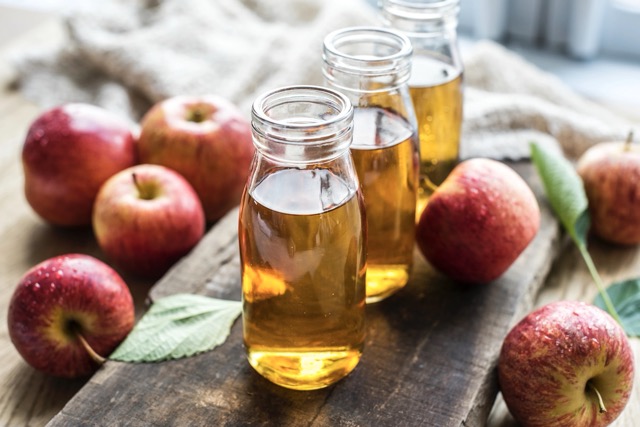
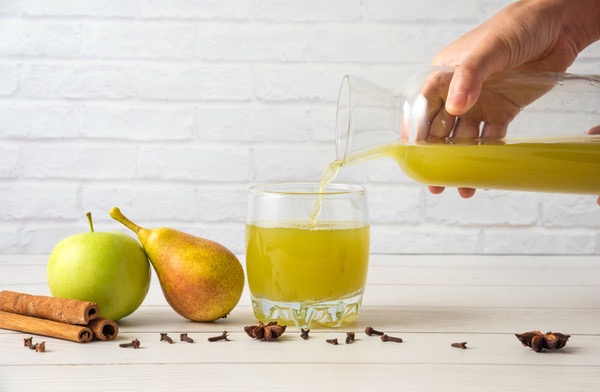
Cider, also known as fermented apple juice, is a lightly alcoholic beverage crafted through the natural fermentation of freshly pressed apples. Depending on the apple varieties and fermentation method, cider’s flavor profile can range from delicately sweet to crisp and dry - capturing the essence of fresh fruit with a subtle, refreshing tang of yeast.

From a technical perspective, cider is produced through ethanol fermentation, during which natural yeasts (primarily Saccharomyces cerevisiae) convert the fructose and glucose in apples into alcohol and carbon dioxide. This process takes place at cool temperatures (around 10-15°C) to preserve the fruit’s natural aroma and nuanced flavor. The result is a beverage with an alcohol content typically between 3-8%, lighter than wine yet complex and elegantly structured.

According to The Brewers Association (2023), cider is among the oldest fermented drinks in Europe, dating back to the Roman era. In traditional cider-making regions such as England, France, and Spain, it has become a cultural symbol - each country showcasing its own distinct expression:

British Cider: robust and dry, made from tannin-rich apple varieties.

French Cidre: light, gently sparkling, and aromatic with fresh apple notes.

Spanish Sidra: tangy and less sweet, often poured from a height to create natural effervescence.

Today, cider extends beyond its alcoholic form. Non-alcoholic ciders have gained popularity for their authentic fruit character, lower sugar content compared to soft drinks, and a modest supply of natural antioxidants - offering a refreshing and mindful alternative for modern lifestyles.

what is cider

Cider, also known as fermented apple juice, is a lightly alcoholic beverage crafted

2. Types of Cider

Ciders are categorized based on several factors such as flavor profile, clarity, color, and alcohol content, reflecting the diversity of apple varieties and fermentation techniques used. Each category offers a distinctive sensory experience - from light and refreshing to rich and complex - catering to different palates and culinary moments.

2.1. By Flavor Profile

The most common way to classify cider is by its residual sugar content, which determines how sweet or dry the drink tastes. Depending on the balance between sweetness and acidity, ciders are typically grouped into three main styles:

Sweet Cider: With a residual sugar content above 4.5g per 100ml, sweet ciders are smooth, fruit-forward, and aromatic, often appealing to those new to cider. They typically feature notes of fresh apple, vanilla, or light caramel, pairing beautifully with desserts or mild cheeses.

Medium Cider: Offering a balanced profile between sweetness and acidity, medium ciders are among the most popular in contemporary brands. Their harmonious, easy-drinking character makes them ideal for pairing with salads, fresh cheeses, or lightly grilled dishes.

Dry Cider: Containing less than 2g of residual sugar per 100ml, dry ciders have a crisp, slightly tannic finish with a pronounced apple depth. A favorite in England and Normandy (France), they are best enjoyed in a tulip glass or white wine glass to fully appreciate their aroma and texture.

classify cider by sugar content

The most common way to classify cider is by its residual sugar content

2.2. By Clarity

The clarity of cider depends largely on its filtration method and aging time. Beyond appearance, it often reflects the structure and depth of flavor within each batch.

Clear Cider: Carefully filtered for a bright, golden hue and crystal-clear appearance. It offers a light, refreshing profile, typically served chilled - ideal for those who prefer clean and crisp flavors.

Cloudy Cider: Unfiltered or lightly filtered, retaining natural apple pulp and yeast sediment for a richer, rustic character. This craft-style cider carries subtle texture from natural fibers, appealing to enthusiasts of authentic, small-batch beverages.

classify cider by clarity

The clarity of cider depends largely on its filtration method and aging time

2.3. By Color

The color of cider is influenced by apple variety, skin pigments, and fermentation length, each contributing unique aroma and flavor nuances.

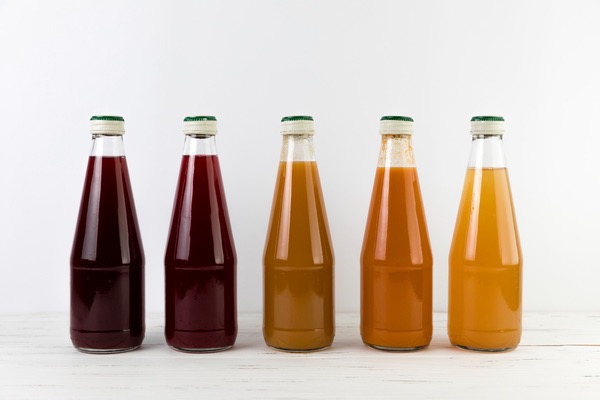
Pale or Golden Cider: Made from fresh, low-tannin apples, resulting in a light-bodied, delicately aromatic cider. This is the most common style, easy to enjoy and pairs well with light appetizers.

Amber Cider: Typically crafted from high-tannin apple varieties from England or Normandy, offering deeper notes of caramel, honey, and subtle oak. Best enjoyed with grilled meats or aged cheeses.

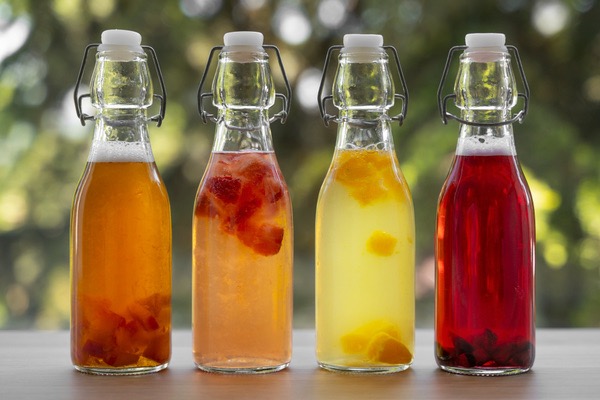
Rosé or Red Cider: Produced from red-skinned apples or blended with berry juices such as cranberry or raspberry. It delivers a bright, fruity acidity and vibrant hue, making it a perfect choice for summer gatherings or outdoor picnics.

classify cider by color

The color of cider is influenced by apple variety, skin pigments, and fermentation length

2.4. By Alcohol Content

Alcohol strength in cider varies depending on apple sugar levels and fermentation duration, creating a wide spectrum of styles from gentle to bold.

Low- or Non-Alcoholic Cider (below 0.5-1.2% ABV): Crafted for those who prefer lighter options, it retains the natural fruitiness of fermented apples without the intensity of traditional alcoholic beverages.

Standard Cider (4-6% ABV): The most common category, balancing refreshing drinkability with mild complexity - similar in strength to a light beer.

Strong or Ice Cider (7-8.5% ABV and above): Aged longer for concentrated depth and layered sweetness. Ice ciders, made from naturally frozen apples, feature intense fruit flavor and a silky finish, akin to a dessert wine.

classify cider by alcohol content

Alcohol strength in cider varies depending on apple sugar levels and fermentation duration

3. The Difference Between Cider and Beer

Although both cider and beer belong to the category of light alcoholic beverages, they are fundamentally different in origin, fermentation process, chemical composition, and sensory profile. Understanding these distinctions not only helps drinkers choose according to their palate but also reflects a refined appreciation of modern culinary culture.

3.1. Ingredients

The most essential distinction lies in the base ingredient:

Cider is made from fermented apple juice, or occasionally from blends of other fruits such as pear (perry), peach, or berries. The sugar in cider comes entirely from fructose, the natural sugar found in fruits.

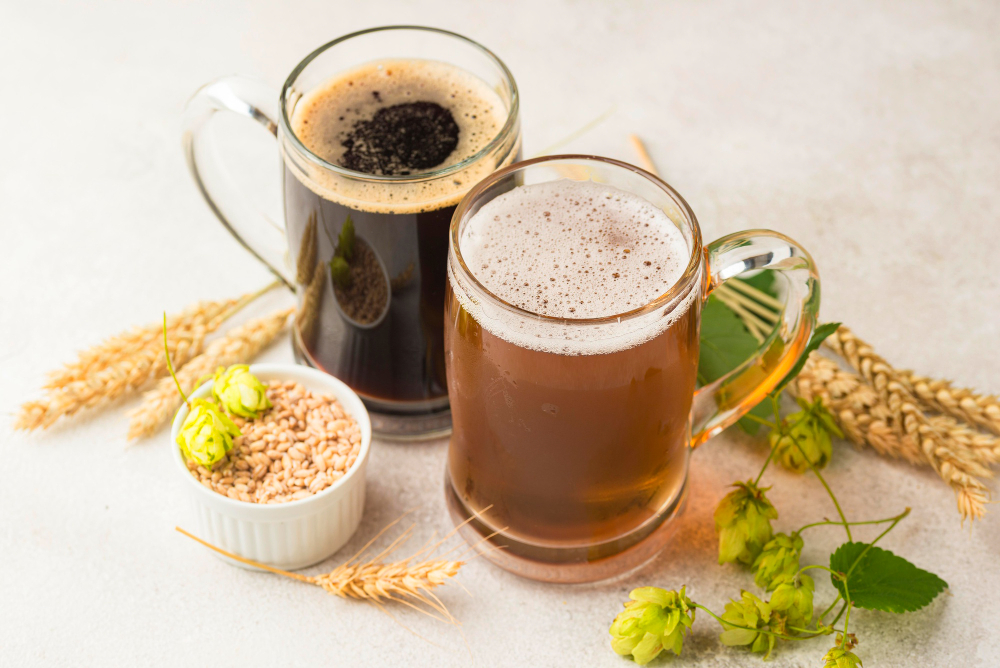
Beer, on the other hand, is brewed from malted grains-primarily barley-combined with hops, yeast, and water. Its fermentable sugar source is maltose, produced during the conversion of starch in the malting process.

Therefore, cider is classified as a fruit-based fermented beverage, whereas beer is a grain-based fermentation, representing two distinct biochemical systems.

3.2. Fermentation Process

While both beverages rely on yeast fermentation, their conditions, microbial strains, and sensory goals differ significantly:

Aspect

Cider

Beer

Primary ingredient

Apple or fruit juice

Malted grain wort

Type of yeast

Wine yeast (Saccharomyces bayanus)

Beer yeast (S. cerevisiae or S. pastorianus)

Fermentation time

2 weeks to several months

7-21 days

Fermentation temperature

4-20°C (cooler to preserve apple aroma)

8-22°C depending on beer style

Sensory goal

Retain fruitiness, natural acidity, and subtle sweetness

Develop bitterness, foam, and malt-hop aroma

As a result, cider tends to be clearer, lighter, and less foamy, offering a crisp and refreshing profile, while beer is typically richer, maltier, and fuller-bodied, with a more pronounced bitterness and creamy head.

3.3. Alcohol Content and Nutritional Composition

Cider typically contains 4-6% ABV, similar to a standard lager beer, but often retains a higher level of residual sugar, especially in sweeter varieties.

Beer, on the other hand, tends to have less sugar because most carbohydrates are converted during fermentation, while being richer in protein and B vitamins due to its grain-based origin.

Composition

Cider (average)

Beer (average)

Alcohol by volume (ABV)

4-6%

4-6%

Sugar

4-12 g / 100 ml

<1 g / 100 ml

Carbohydrates

5-12 g / 100 ml

3-5 g / 100 ml

Vitamins & Protein

Lower

Higher (B1, B2, B6, Niacin)

Because of this, cider is often seen as a lighter, more approachable drink than beer, but with higher natural sweetness making it closer in style to a fruit wine rather than an everyday refreshment.

3.4. Flavor and Sensory Experience

The difference in ingredients and yeast strains creates distinct sensory profiles for each beverage:

Cider offers fresh fruit aromas with a delicate balance of sweetness and tartness, and a crisp apple or pear finish. Some varieties are aged in oak barrels to add depth and subtle vanilla notes, similar to white wine.

Beer presents bitterness from hops, roasted malt or caramel undertones, and a dry, foamy texture that defines its classic profile.

While beer is often associated with social gatherings and casual occasions, cider embodies a refined, lighter character, ideal for outdoor brunches, picnics, or pairing with European-inspired dishes such as salads, cheeses, or seafood.

3.5. Cultural Significance

Across Europe-especially in the UK, France, and Spain-cider has long been regarded as a symbol of local harvest and regional craftsmanship, closely tied to apple-growing traditions and the rhythm of the seasons. Beer, by contrast, represents the industrial and social side of modern brewing culture, known globally for its versatility and mass production.

Today, the rise of craft cider blurs the line between the two worlds. Both beverages are being rediscovered for their authenticity, locality, and natural expression of flavor, reflecting a growing appreciation for mindful and artisanal drinking experiences.

cider's cultural significance

Although both cider and beer belong to the category of light alcoholic beverages

4. Why You Should Detox with Fermented Apple Cider Vinegar

Within today’s wellness nutrition movement, “detox” is no longer simply about cleansing the body - it is about restoring internal balance and supporting metabolism through natural, nutrient-rich ingredients. Among the most valued options recommended by nutrition experts is fermented apple cider vinegar (ACV) - a product rich in natural enzymes, organic acids, and beneficial bacteria that help purify the body gently, safely, and sustainably.

4.1. The Natural Detox Mechanism of Fermented Apple Cider Vinegar

Apple cider vinegar is created through a two-stage biological fermentation process:

Stage 1 - Alcoholic fermentation: Saccharomyces cerevisiae yeast converts the natural sugars in apple juice into ethanol.

Stage 2 - Acetic fermentation: Acetobacter bacteria oxidize the ethanol into acetic acid, the key organic compound that gives ACV its delicate tang and powerful bioactive properties.

Recent studies, including those from Harvard Health Publishing (2023), highlight acetic acid as a metabolic modulator that contributes to overall health through several mechanisms:

Stimulates digestive enzymes, enhancing the breakdown of starches and fats.

Promotes satiety and helps regulate caloric intake, supporting healthy weight management.

Balances internal pH, creating an optimal environment for gut microbiota to thrive.

Lowers LDL cholesterol and stabilizes post-meal blood sugar levels, reducing the risk of metabolic imbalance.

When used moderately - about 1-2 tablespoons diluted in 200 ml of warm water per day, or as a component in salad dressings and detox beverages - apple cider vinegar supports liver function, gentle detoxification, and electrolyte balance.

More than a traditional fermented ingredient, apple cider vinegar represents the essence of natural nutrition - where science and gastronomy converge to promote long-term wellbeing and mindful living.

4.2. The Optimal Synergy: Cider - Detox Juices - Kombucha

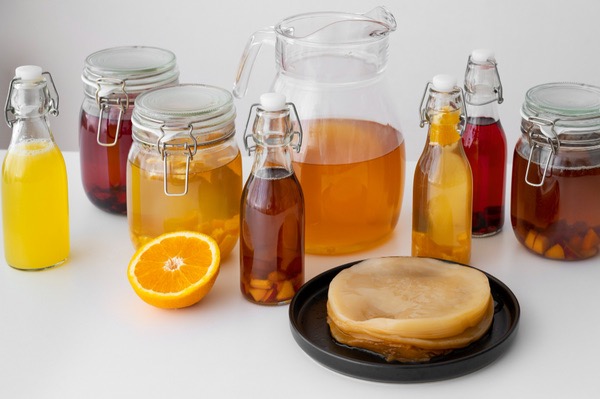
Within modern detox practices, combining apple cider vinegar, detox juices, and kombucha represents a holistic and sustainable approach to cleansing and metabolic renewal. Each component serves a unique yet complementary function in maintaining homeostasis and enhancing the body’s natural energy metabolism.

Apple Cider Vinegar (ACV): Rich in acetic acid and bioactive enzymes, ACV supports digestive activity, stabilizes blood sugar levels, and promotes efficient metabolism.

Detox Juices: Deliver a concentrated source of vitamins, minerals, and antioxidants from fresh fruits and vegetables - key to neutralizing free radicals and supporting optimal liver and kidney function.

Kombucha: A natural source of probiotics that helps balance gut microbiota, enhance nutrient absorption, and strengthen the immune response.

When used in rotation or in mindful combination, these three categories create a synergistic detox routine - gently “resetting” the body’s internal systems while maintaining steady energy levels and mental clarity throughout the day.

At Annam Gourmet, our selection of organic-certified apple cider vinegar, detox juices, and kombucha comes from trusted international producers, ensuring each product retains its authentic flavor and live enzymatic profile - the cornerstone of any effective cleansing journey.

As part of our mindful living commitment, customers purchasing from the HealthLab counter with a minimum value of 200,000₫ will receive an eco-friendly Annam Gourmet paper bag, a small yet meaningful reminder of your journey toward sustainable, conscious wellness.

annam gourmet offer of the month

4.3. Safe and Effective Usage Guidelines

To fully harness the benefits of fermented apple cider vinegar, correct dosage and consumption methods are essential. Although ACV is rich in enzymes, organic acids, and beneficial bacteria, excessive or improper use - especially on an empty stomach - may irritate the stomach lining or affect tooth enamel.

Recommended dosage: According to the Harvard T.H. Chan School of Public Health (2023), beginners should start with 1 teaspoon (5 ml) diluted in 200 ml of warm water daily. Once the body adapts, the amount can be gradually increased to 1-2 tablespoons (15-30 ml) per day, depending on individual tolerance and detox goals.

Best timing: Consume ACV 15-20 minutes before breakfast to stimulate digestive enzyme activity and enhance nutrient absorption.
For those with a sensitive stomach, it may be taken after meals to prevent discomfort.

How to prepare and incorporate ACV:

Mix 1-2 tablespoons of ACV with 200 ml of warm water, optionally adding raw honey, fresh ginger, or a few drops of lemon juice for enhanced flavor and detox potential.

Blend with cold-pressed vegetable juices or green smoothies for a gentle morning cleanse or post-workout refreshment.

Use ACV as a salad dressing base, adding a tangy balance while improving lipid digestion.

Product selection: Choose unfiltered, raw apple cider vinegar with the “mother” - the cloudy, brownish sediment containing live enzymes, amino acids, and beneficial bacteria - essential for maintaining gut microbiome balance and maximizing bioavailability.

Safety precautions:

Never consume undiluted vinegar; its high acidity can erode enamel or irritate the esophagus.

Avoid exceeding 30 ml per day to maintain electrolyte equilibrium.

Pregnant women, individuals with gastric sensitivities, or those taking glucose-lowering medications should consult a healthcare professional before regular use.

cider giấm táo lên men

To fully harness the benefits of fermented apple cider vinegar

5. Where to Buy Quality Cider at the Best Value

Today’s market offers countless varieties of apple cider vinegar at different price points, yet not all are naturally fermented or retain the vital live enzymes that deliver true health benefits. When selecting cider products, consumers should prioritize:

Certified Organic or Non-GMO: ensuring production without synthetic chemicals or artificial additives.

Unfiltered & Unpasteurized Formulations: preserving “the mother” - the naturally occurring culture rich in enzymes, probiotics, and trace minerals.

Transparent Origin: sourced directly from reputable brands with certified manufacturing processes.

At Annam Gourmet, every apple cider vinegar is carefully curated under our Clean Label & Mindful Consumption philosophy - promoting sustainable wellness through trusted global producers:

Heinz Apple Cider Vinegar 473ml - A timeless classic with a mild, well-balanced acidity; ideal for daily cooking and refreshing beverages.

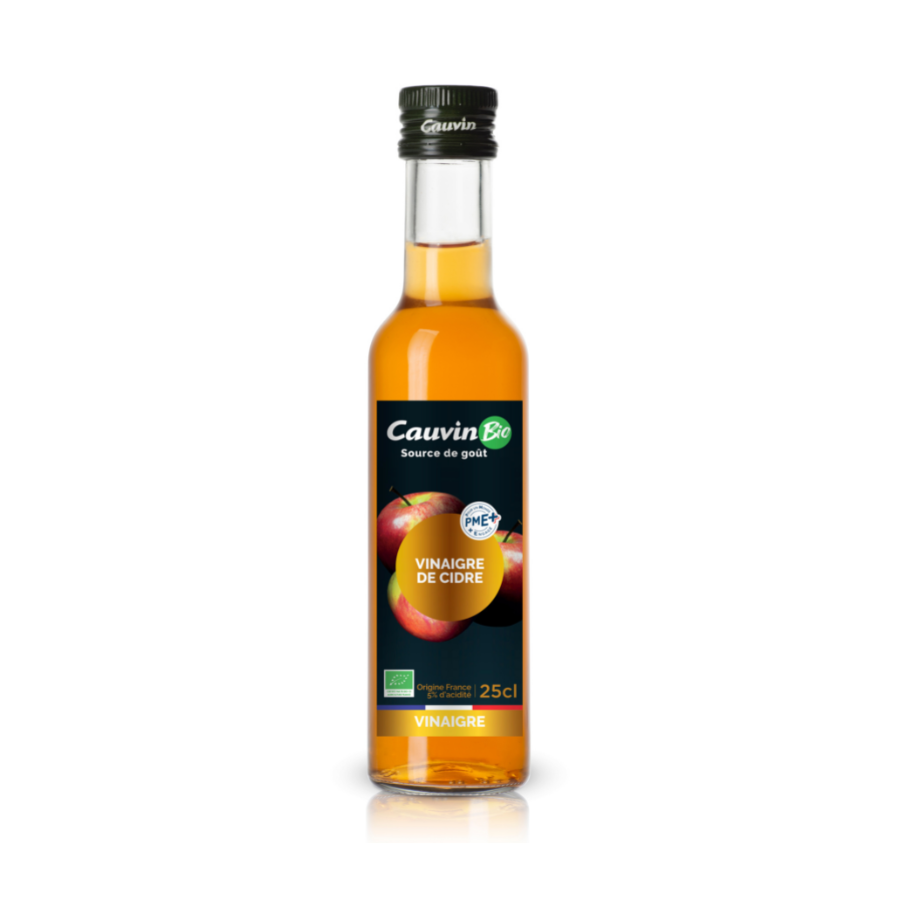
Cauvin Organic Apple Cider Vinegar 150ml - Crafted in France from organic apples, naturally aged for a refined flavor - perfect for salad dressings or detox drinks.

Vermont Organic Apple Cider Vinegar 946ml - A larger-size option suited for eat-clean routines or frequent users seeking consistent quality.

Bragg Organic Apple Cider Vinegar 473ml - America’s iconic brand featuring the authentic “mother”, highly recommended by nutritionists worldwide.

Eden Foods Organic Apple Cider Vinegar 473ml - Unfiltered, unpasteurized, and bursting with natural apple essence and enzymatic vitality.

Beyond product excellence, Annam Gourmet is committed to a sustainable shopping experience - from eco-conscious packaging to initiatives that inspire greener consumption. Choosing cider here is not merely a purchase; it is a conscious act - an embrace of mindful living, where gastronomy meets sustainability and wellness becomes a way of life.

Cauvin Organic Apple Cider Vinegar (150ml)

Cauvin Organic Apple Cider Vinegar 150ml crafted in France from organic apples

Whether in the form of fermented apple cider vinegar, cold-pressed apple juice, or artisan-crafted ciders, each bottle embodies the harmony between health, flavor, and sustainability. Understanding and using cider in moderation not only promotes detoxification, digestion, and balanced energy, but also cultivates a mindful relationship with nature and the true essence of nourishment.

At Annam Gourmet, every cider product is chosen not only for its quality, but for the story it carries - its origin, its process, and the mindful philosophy behind it. By incorporating cider, kombucha, and detox juices into your daily ritual, you are nurturing a lifestyle where health, sophistication, and sustainability coexist beautifully.

Contact Information - Annam Gourmet

Website: https://shop.annam-gourmet.com/ 

Hotline: 1900 636431

Email: [email protected]

References

American Heart Association. (2022). Fish and omega-3 fatty acids. Retrieved from https://www.heart.org 

Bragg Live Food Products. (2023). The science behind apple cider vinegar benefits. Retrieved from https://www.bragg.com 

Cleveland Clinic. (2024). Apple cider vinegar: Benefits and risks. Retrieved from https://health.clevelandclinic.org/apple-cider-vinegar-benefits 

European Cider and Fruit Wine Association (AICV). (2023). What is cider? Definition, production and classification. Retrieved from https://aicv.org