how-to-make-peanut-butter

Peanut butter (also known as peanut butter) is a familiar snack, baking ingredient or side dish around the world. Not only is it a rich source of protein and healthy fats, homemade peanut butter also ensures freshness, contains no preservatives or chemical sugars, making it easy for you to adjust the flavor to your liking. With the detailed recipe below, Annam Gourmet Together we will turn simple peanuts into smooth, creamy, fragrant peanut butter in just a snap!

1. How to choose delicious, quality peanuts

The quality of peanut butter depends 90% on the peanuts you choose. Quality peanuts will have a natural, rich flavor, without being rancid or bitter.

1.1. Criteria for selecting fresh, unroasted peanuts

To get the best peanut butter, buy peanuts in their shells, unprocessed. Check the following criteria:

• Shape and size: Choose beans that are evenly sized and plump. Avoid beans that are flat, wormy, or broken, as these tend to have lower oil content and are more likely to burn when roasted.

• Color: Fresh peanuts usually have a light pink or reddish brown skin (for red peanuts). The color must be bright, not moldy or turned black.

• Check dryness: Peanuts must be dry and not damp. If the peanuts are damp, they will easily become moldy during storage and will not achieve the required crispiness when roasted.

• Taste: Beans should have a natural aroma, not a musty or chemical smell. Any unusual smell is a sign that the beans have been contaminated or stored improperly.

1.2. Notes on peanut varieties

According to culinary experts, the choice of peanut variety also greatly affects the texture and flavor of the butter:

• Spanish peanuts: Small in size, the red skin has the highest oil content, resulting in a peanut butter with a rich flavor and superior smoothness. This is the ideal choice for homemade peanut butter.

• Peanut Runner: Medium in size, most popular in commercial peanut butter production because they ripen evenly.

• Virginia Peanuts: Larger in size, they are often used for salted or boiled peanut butter. They produce peanut butter with a coarser texture and less oil.

2. How to make delicious, smooth peanut butter

2.1. Ingredients

To make a batch of delicious peanut butter, about 400 grams of finished product, you only need to prepare a few basic ingredients.

• 400 grams of raw peanuts shelled: You need to choose fresh, quality peanuts to ensure the final peanut butter has a delicious flavor.

• 1-2 tablespoons vegetable oil (optional) to help the peanut butter achieve a smoother and more liquid consistency, while also adding a natural, rich flavor Organic Coconut Oil is a great choice because it has a mild flavor, can withstand heat well, and is loaded with medium-chain fatty acids (MCTs) that benefit metabolism.

annam-gourmet-organic-coconut-oil

Annam Gourmet Organic Coconut Oil

• 1-2 teaspoons of sweetener (optional) such as honey or maple syrup. Premium wild honey not only does not create a natural sweetness, it also has mild antibacterial properties. The product is harvested from natural flower sources, has a shimmering color and a characteristic sweet taste, giving the peanut butter a light stickiness and a mild aroma.

annam-gourmet-premium-honey

Annam Gourmet Premium Honey

• 1/2 teaspoon sea salt is an indispensable ingredient because it helps to highlight the rich flavor of peanuts and balance the sweetness. Pure sea salt has a higher natural mineral content than regular table salt, a little salt will perfectly balance the rich flavor of peanuts.

2.2. How to Prepare Peanut Butter

Making peanut butter at home is simple but requires patience and precise roasting and grinding techniques to release all the natural oils in the seeds, creating the ideal smooth consistency.

2.2.1. Roasting peanuts

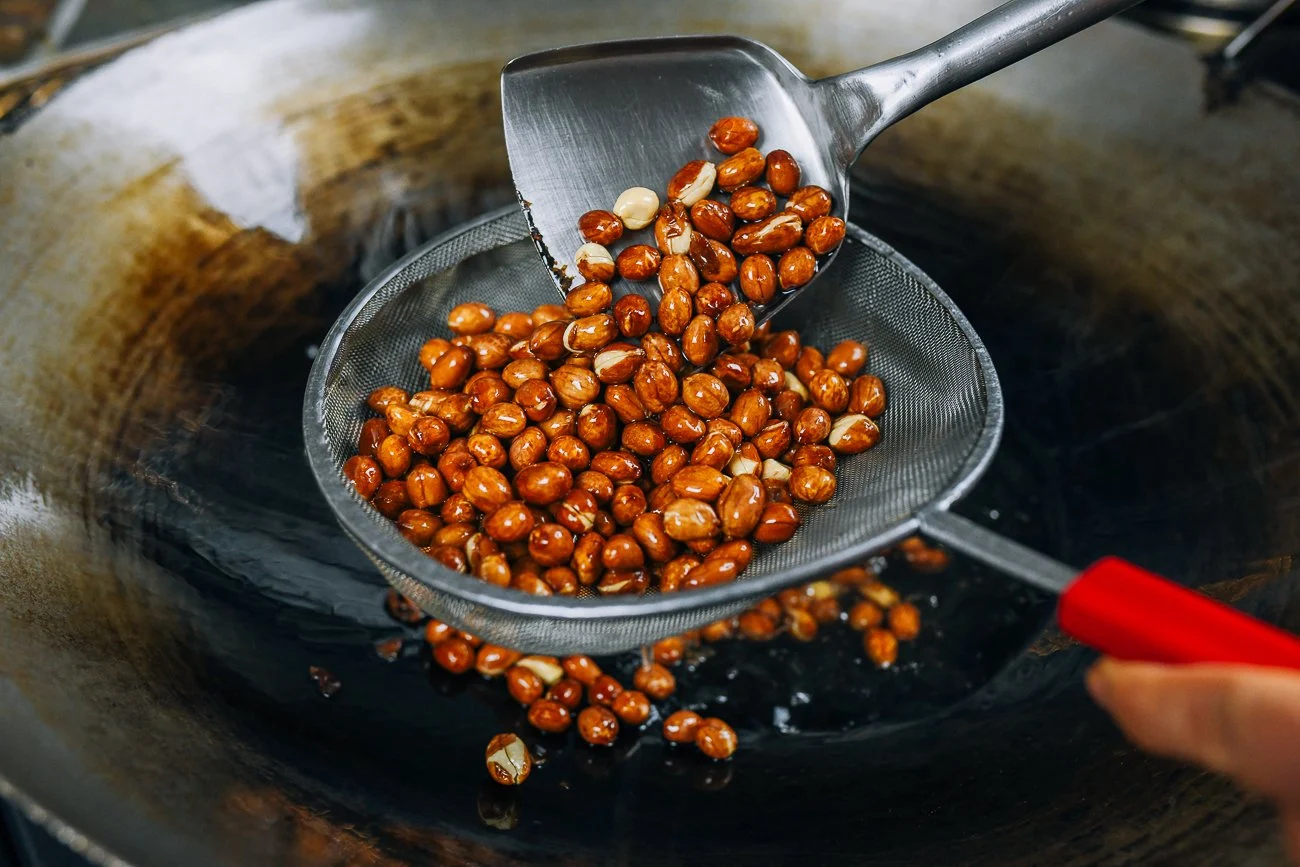
Peanuts must be roasted evenly, golden brown without burning, helping to remove moisture, crisp the nuts and concentrate the characteristic fatty flavor. You can choose pan-fried, this is the most traditional and easiest way. Put the peeled peanuts in a non-stick pan without adding oil, roast over medium to low heat, stirring constantly for about 10 to 15 minutes.

Besides, oven roasted is the method that gives the peanuts the most even cooking. Preheat the oven to 180 degrees, spread the peanuts in a thin layer on a baking tray and bake for about 10 to 12 minutes, remembering to stir gently after half the time.

you-can-choose-to-roast-it-in-the-oven-or-on-the-grill

You can choose to roast it in the oven or on the grill.

Once roasted using any method, let the peanuts cool completely at room temperature, as cooled peanuts will become crispier and easier to grind.

2.2.2. Grind peanuts

The process of grinding peanuts is a magical journey that requires observation and patience, so it is best to use a powerful, high-powered food processor. The process takes place in four main stages:

• Stage 1: Dry seeds and powder (0 – 1 minute), the beans will be ground into dry and rough powder; you need to stop the machine and scrape off the powder stuck on the wall.

• Stage 2: Clumping (1 – 2 minutes), the pressure and heat will release the oil, the dry flour will clump together into a large, hard, and difficult to turn dough; continue scraping down the lumps.

• Stage 3: Smooth dough (2 – 4 minutes), the dough will start to become more liquid, turning into a smooth paste; at this point, you should add optional ingredients such as salt and sweetener.

• Stage 4: Butter is liquid and smooth (4 – 5 minutes), the maximum amount of oil is released, making the mixture turn into a smooth liquid, with the characteristic glossy shine of peanut butter. If the butter is still too thick, you can add 1 to 2 tablespoons of vegetable oil to adjust the liquid.

2.2.3. Finished products

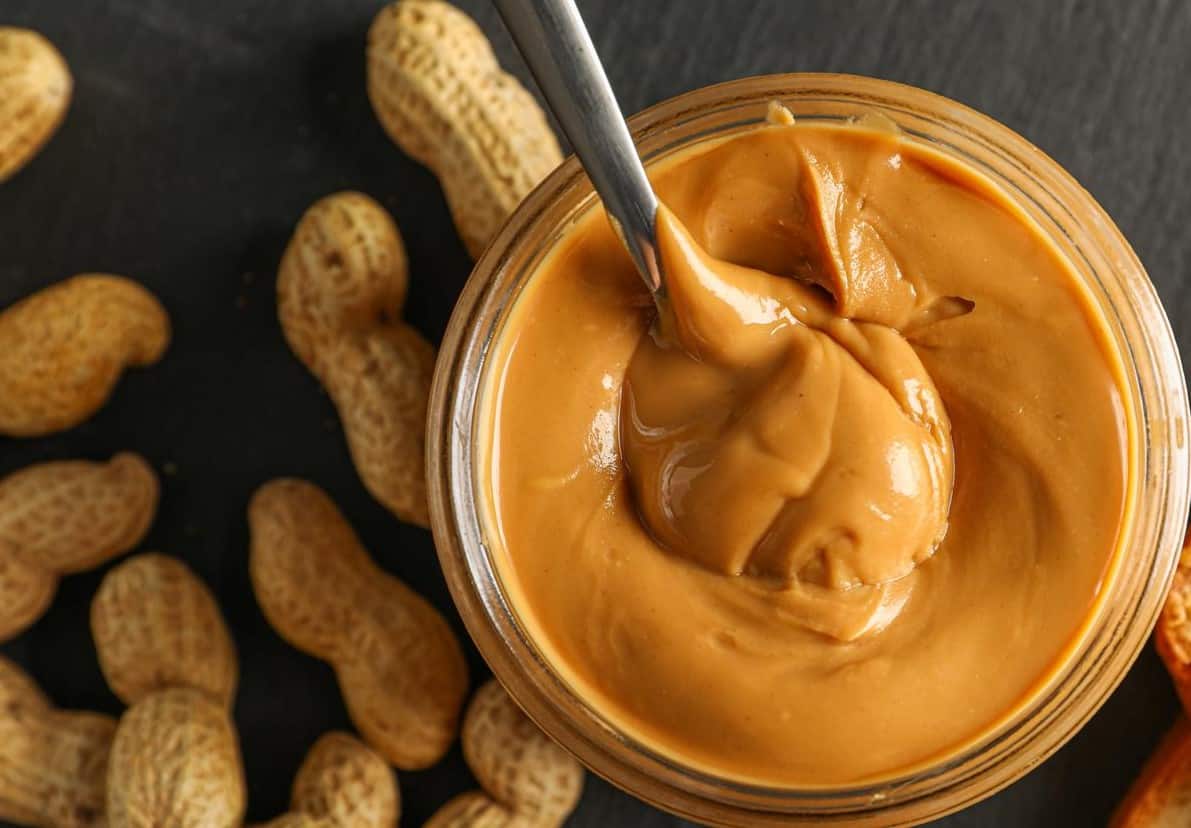
The standard peanut butter is when it has a deep creamy yellow color, a strong aroma and a uniform smooth consistency. Immediately after blending, the peanut butter will be slightly warm due to friction. You should taste it and adjust the flavor last: add a little salt if bland, or add a little honey if you want it sweeter.

If you like your peanut butter to have some seeds in it, take about 1/4 of the roasted peanuts and grind them separately until they are coarsely ground, then mix them into the smooth peanut butter at the end. Pour the peanut butter into a sterilized glass jar, seal, and let it cool completely before storing.

>> Read more: Is Eating Peanut Butter Healthy? 5 Delicious Dishes with Peanut Butter

3. How to Store Homemade Peanut Butter

Homemade peanut butter does not contain preservatives, so it will need to be stored differently than commercially canned products. Proper storage will help the peanut butter retain its fresh flavor, prevent it from going rancid, and extend its shelf life.

3.1. Choose the right storage tools

To preserve peanut butter, you should prioritize using glass jars that have a tight-fitting lid. Glass jars are best because they do not react with oil, are easy to sterilize, and allow you to see the condition of the butter inside. Avoid using poor quality plastic containers because they can absorb oil and are difficult to clean.

Before adding the butter, make sure the jar is clean and sterilize with boiling water or dishwasher to completely remove bacteria and moisture, helping to prevent mold growth.

store-peanut-butter-in-a-glass-container

Store peanut butter in a glass container

3.2. Optimal preservation method and shelf life

Depending on how long you want to use it, there are two main storage methods for homemade peanut butter:

Method 1: Store at room temperature (Short term)

• Condition: If you use peanut butter regularly (within 1 to 2 weeks), you can store it in a cool, dry place, away from direct sunlight.

• Advantage: The peanut butter will retain its smoothness, spreadability, and rich flavor.

• Time of use: Optimum is within2 weeks. After this time, the avocado is at risk of rancidity (rancid) due to prolonged exposure to air and light.

Method 2: Store in the refrigerator (Long term)

• Condition: This is the recommended method to extend the shelf life of peanut butter. Once you have sealed the peanut butter in a jar, place it in the refrigerator.

• Advantage: Cold temperatures will slow down the oxidation of the oil, prevent the butter from going rancid, and inhibit the growth of bacteria and mold.

• Time of use: Peanut butter can stay fresh for about3 to 4 weeks.

Note: Refrigerated peanut butter will be thicker and firmer. Take it out of the refrigerator about 15-30 minutes before using to soften it and make it easier to spread.

3.3. Handling of oil separation phenomenon

Homemade peanut butter often has the following problem:oil separator(oil separation), when the natural oils rise to the surface. This is completely normal because homemade peanut butter does not contain stabilizers (emulsifiers) as industrial products.

  1. Reason: Peanut oil is lighter than solids so it will gradually float to the top over time.
  2. How to handle: Simply use a spoon or long spoon stirred the butter from bottom to top before use.
  3. Tips to prevent oil separation: Once blended, add the peanut butter to the jar, then turn it upside down (make sure the lid is on). This will help the oil to move around more evenly, making it easier to stir next time.

3.4. Signs of spoiled peanut butter

You should not use peanut butter if you notice the following signs:

• Taste: Butter has a rancid, sour or bitter taste. This is a sign that the oil has been severely oxidized (rancid).

• Mold: Blue, white or black mold spots appear on the surface.

• Color: The butter turns an unusually darker color.

if-peanut-butter-has-an-unusual-taste-or-color-stop-eating-it-and-monitor-your-health

If peanut butter has an unusual taste or color, stop eating it and monitor your health.

Homemade peanut butter isn’t just rich, creamy, and full of natural flavor — it also gives you complete peace of mind when it comes to food safety. With this simple recipe, you can easily make a delicious jar of peanut butter at home for your family and friends to enjoy.

Contact Information - Annam Gourmet