how-to-make-Vietnamese-pork-sausage

Vietnamese pork sausage is a familiar traditional dish that appears regularly in everyday meals and is especially indispensable during Tet in many Vietnamese households. With the desire to bring safe, delicious, and easy home-cooking inspiration, Annam Gourmet shares how to make Vietnamese pork sausage at home that is smooth, springy, and full of natural flavor. 

1. Ingredients for Making Vietnamese Pork Sausage

To achieve the signature springy texture and delicate aroma of Vietnamese pork sausage, using the right ingredients in proper proportions is essential.

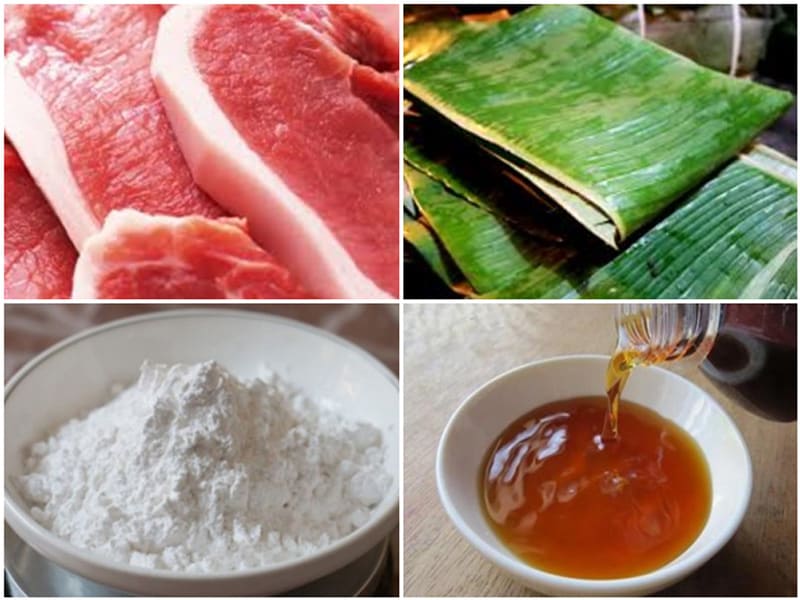
500g Pork Jowl Meat (pork shoulder or thigh, fresh and low in sinew)

30g tapioca starch or cornstarch

1 tablespoon fish sauce

½ teaspoon seasoning powder

½ teaspoon sugar

1 teaspoon white pepper

¼–½ teaspoon garlic powder

50ml ice-cold water (must be very cold to maintain elasticity during blending)

15g baking powder (optional, can be omitted for a more traditional taste)

Fresh banana leaves or heat-resistant plastic wrap for wrapping

ingredients-for-pork-sausage

Easy to find ingredients for homemade Vietnamese pork sausage

2. How to Make Vietnamese Pork Sausage at Home

2.1. Preparing the Ingredients

Rinse the pork thoroughly. You may briefly soak it in diluted salt water for about 5 minutes to remove any odor, then rinse again and pat dry. Remove any thin membranes or sinew and cut the meat into small pieces.

Place the pork in a zip-top bag, flatten it evenly, and chill it in the freezer for 45- 60 minutes until the meat is very cold but not frozen solid. This step is crucial for creating the signature springy texture.

Transfer the pork to a food processor and blend in short pulses, making sure the meat stays cold. Once finely ground, add fish sauce, sugar, seasoning powder, white pepper, and garlic powder. Mix well, cover tightly, and chill for another 30- 60 minutes so the meat absorbs the seasoning.

Next, blend the pork again with ice-cold water and tapioca starch (and baking powder if using) until the mixture becomes smooth, thick, elastic, and glossy.

2.2. Wrapping the Vietnamese pork sausage

Wash and dry the banana leaves. Briefly blanch them in hot water to soften and prevent tearing. Arrange 2- 3 banana leaves crosswise, optionally brushing a thin layer of cooking oil to prevent sticking.

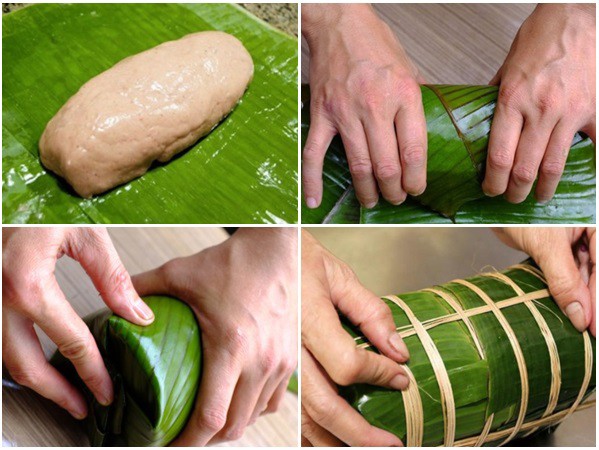
tye-pork-sausage-with-banana-leaves

Wrapping and Tying Vietnamese pork sausage with Banana Leaves Before Steaming

Place the pork paste in the center, shape it evenly lengthwise, and roll it tightly into a cylindrical log. Fold the ends securely and tie firmly with kitchen string to maintain its shape during steaming. Gently roll the pork sausage on a flat surface to create an even and smooth appearance.

If banana leaves are unavailable, heat-resistant plastic wrap can be used instead. Lay out 2- 3 layers, place the pork paste in the center, roll tightly, remove as much air as possible, and secure both ends. When steaming, place the roll on a steamer rack to avoid direct contact with the pot base.

2.3. Finished Result

Place the wrapped Vietnamese pork sausage into the steamer once the water is gently boiling. Steam over medium heat for about 45- 50 minutes for a 500g roll. To check doneness, insert a toothpick into the center- if it comes out dry with no liquid, the roll is fully cooked.

Turn off the heat and let the pork sausage rest in the steamer for another 5- 10 minutes, then remove and allow it to cool naturally. This resting step helps redistribute the natural juices, keeping the pork sausage moist and tender instead of dry or crumbly.

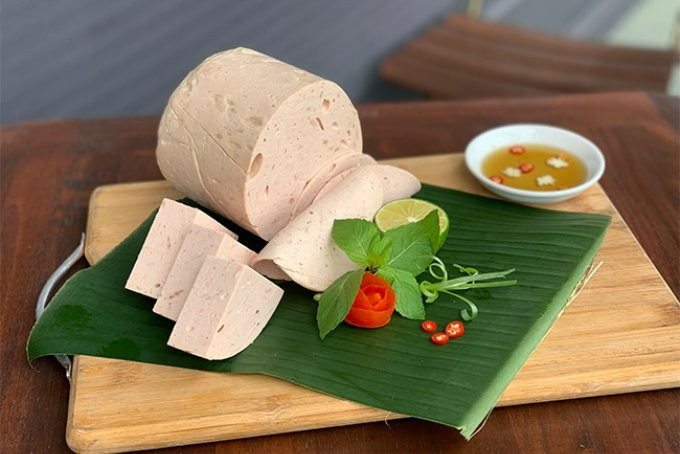
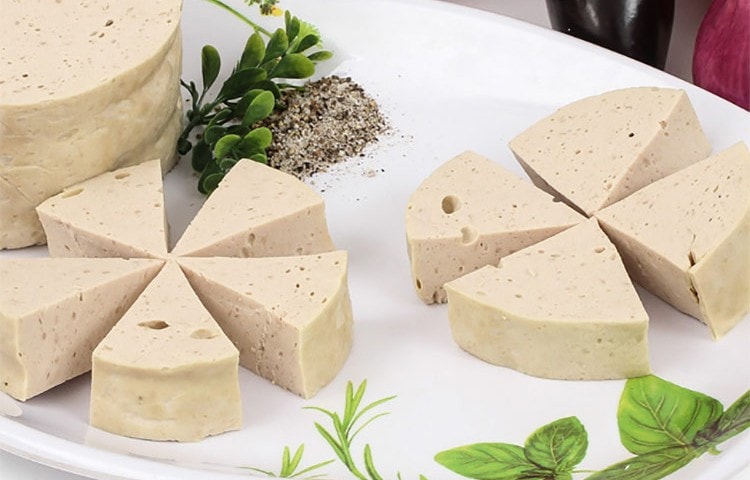
The finished Vietnamese pork sausage should be pale off white, smooth, lightly springy when sliced, and naturally aromatic. This method ensures a delicious and safe dish for Tet and everyday family meals.

3. Tips for Making and Enjoying Vietnamese Pork Sausage

To ensure your homemade Vietnamese pork sausage is springy, fragrant, and true to its traditional flavor, consider the following tips:

Tips for Making Springy and High-Quality pork sausage

Choose suitable ingredients: Use fresh pork shoulder or thigh. Adding a small amount of pork fat (about 10- 20%) helps prevent dryness. Keep the meat cold throughout the blending process to achieve natural elasticity without using any additives.

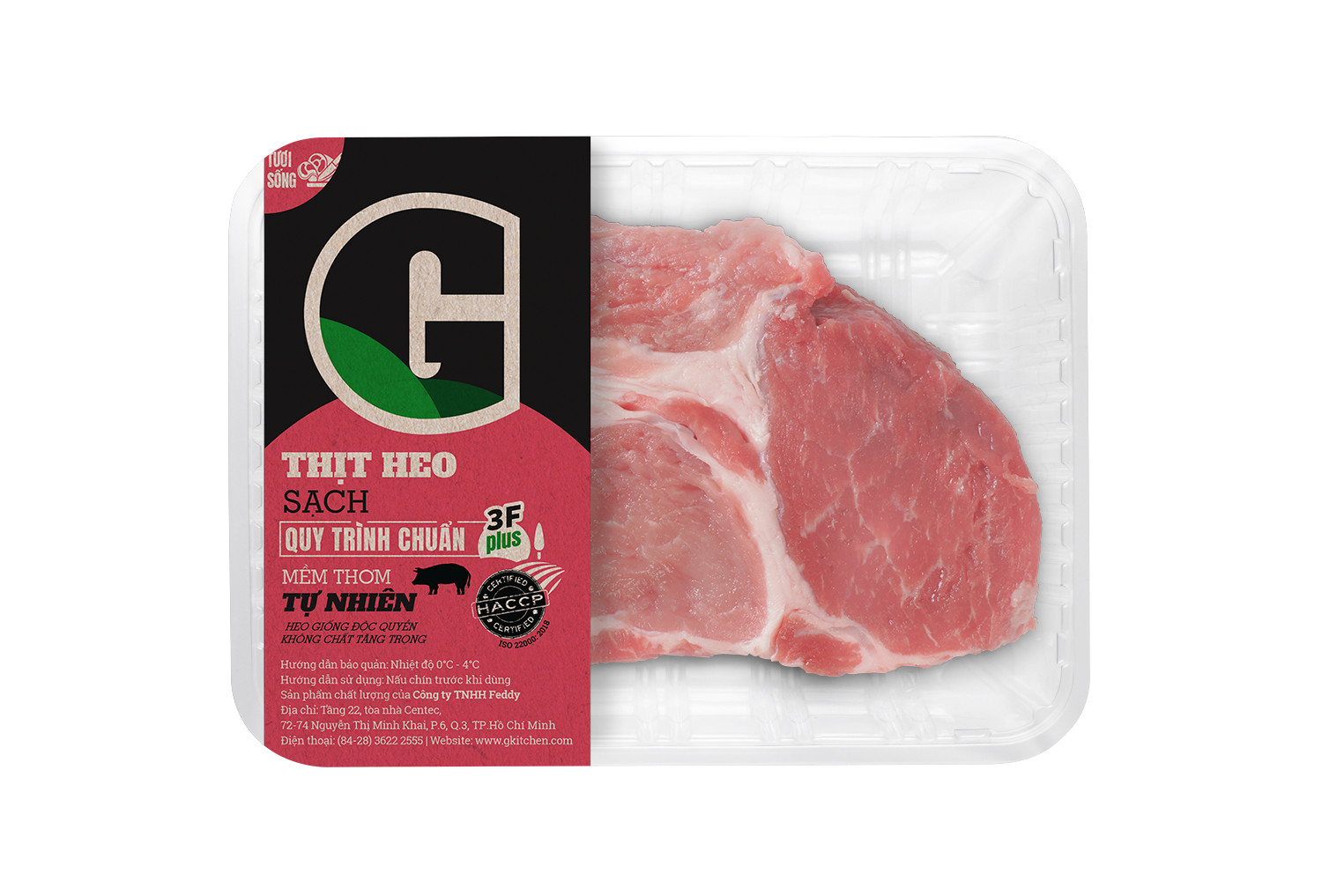
G Pork Lean Meat (300g)

Fresh pork helps Vietnamese pork sausage achieve a natural chewy texture

Keep the meat cold while blending: Blend in short pulses with brief pauses and add ice cold water as needed to keep the mixture smooth and springy.

Use proper seasoning ratios: High quality fish sauce enhances aroma, while tapioca starch at 8 to 10 percent of the meat weight ensures good binding without a crumbly texture.

Wrap and steam properly: Fresh banana leaves add a subtle fragrance. Steam gently for the right amount of time based on the roll size to ensure even cooking.

Tips for Enjoying Vietnamese pork sausage

Traditional serving: Vietnamese pork sausage tastes best at room temperature or slightly warm, served with salt, pepper, and lime juice or pure fish sauce.

Delicious pairings: It pairs well with steamed rice rolls, sticky rice, bread, square sticky rice cake, and cylindrical sticky rice cake. It can also be used in dishes such as pepper braised pork sausage, tomato sauce pork sausage, or pan fried pork sausage

Sliced-Vietnamese-pork-sausage

Sliced Vietnamese pork sausage served with baguette, pate and fresh herbs

How to fry Vietnamese pork sausage: When frying, cut the sausage into bite-sized slices and fry until golden brown on all sides over medium heat. You can lightly sauté garlic before adding the sausage to enhance the aroma.

How to pan-fry pork sausage:

Storage: Homemade Vietnamese pork sausage, wrapped in banana leaves or sealed tightly, can be stored in the refrigerator for 3- 5 days. When reheating, steam gently to maintain softness and flavor.

Signs of good pork sausage: A quality Vietnamese pork sausage has a natural off-white or light pink color, a mild aroma of pork and banana leaves, a pleasantly springy texture, no excess moisture, and a smooth, fine structure.

With this simple and easy method, you can confidently prepare a soft, springy, and flavorful Vietnamese pork sausage for your Tet feast. Homemade pork sausage not only preserves traditional flavor but also ensures quality and safety for the whole family. Annam Gourmet hopes this guide inspires you to enjoy cooking and create a warm, complete, and love filled Tet meal with your loved ones.

Explore More Related Articles

How to Make a Meaningful and Beautiful Tet Hamper 2026

What should you give as gifts for Tet 2026? 20 meaningful Tet gift ideas

Contact Information - Annam Gourmet:

Website: https://shop.annam-gourmet.com/ 

Hotline: 1900 636431

Email: [email protected]