distinguish-chia-seeds-and-basil-seeds

In the Clean Eating and proactive health care trend, nuts and seeds always play an important role. However, there are two types of seeds that are often confused with each other due to their similar appearance when dry: Chia Seeds and Basil Seeds (Hạt É). Although they look quite similar at first glance, in terms of origin, nutritional value, and price, these are two completely different types of seeds. This article by Annam Gourmet will provide you with an in-depth look to distinguish between Chia seeds and Basil seeds, helping you choose the right product for your health needs.

1. What are Chia Seeds? Are they Basil Seeds?

Chia seeds are absolutely not Basil seeds. Chia seeds (scientific name: Salvia Hispanica) are the seeds of a plant belonging to the Mint family (Lamiaceae), native to South America (Mexico and Guatemala). Since ancient times, Chia seeds have been revered by the Maya and Aztecs as a "superfood" providing sustained energy for warriors.

Regarding classification, Chia seeds on the market today mainly have 2 main colors:

• White Chia Seeds: Harvested from Chia plants with white flowers. The yield of white chia seeds is usually lower, so the price is sometimes slightly higher, but the flavor is more neutral. You can refer to the Terrasana Organic White Chia Seeds line, a European organic standard product, ensuring absolute purity.

• Black Chia Seeds: Harvested from Chia plants with purple flowers. This is the most common type and has nutritional value equivalent to white chia seeds. The Terrasana Organic Black Chia Seeds product is the perfect choice to add to your daily menu.

Unlike Basil seeds, Chia seeds are grown on a large scale in countries like Australia and the US for global export thanks to their superior nutritional content, especially Omega-3.

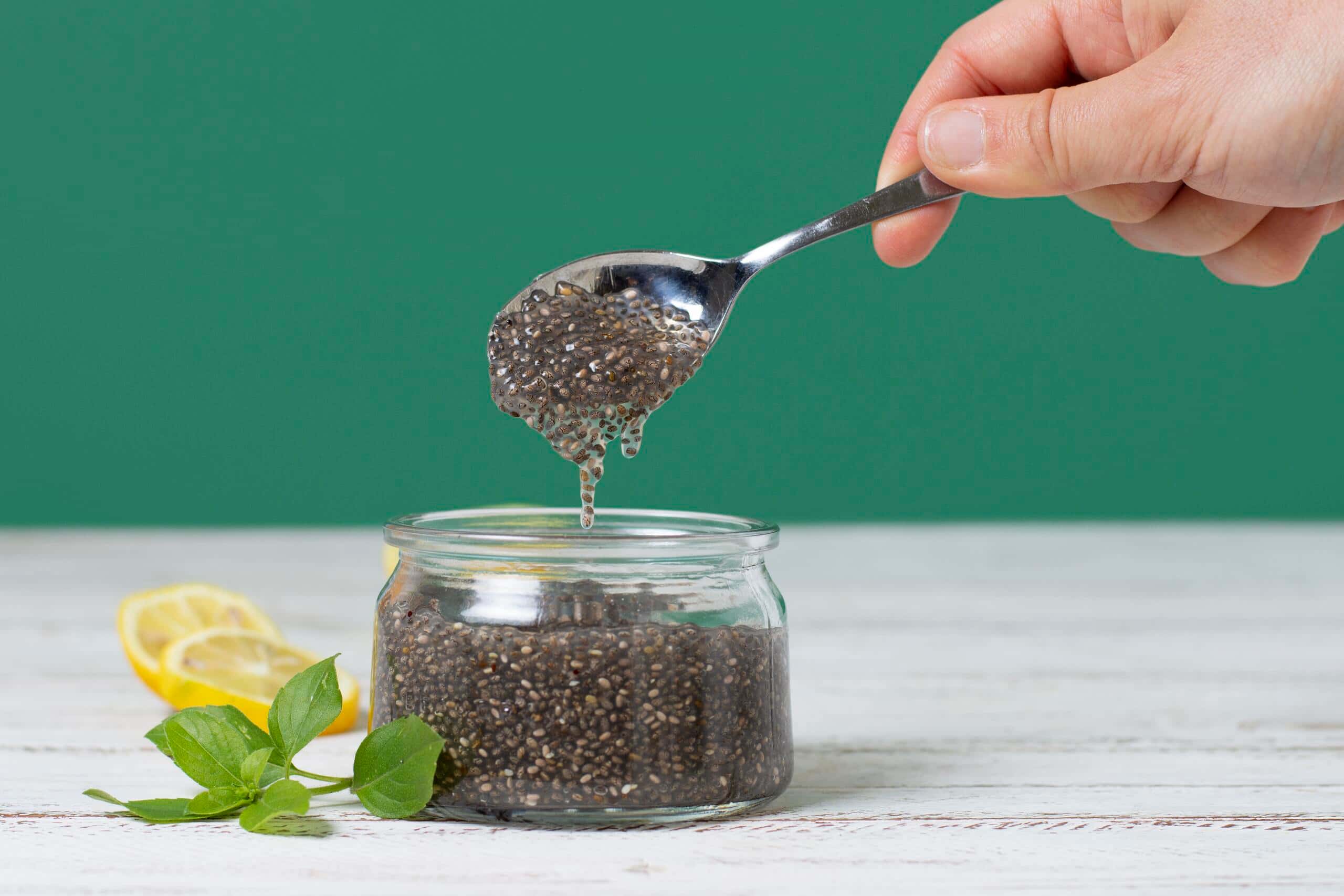
hinh-fang-hat-chia-rat-nho

Chia seeds looks like basil seeds but are very different

2. Differences of Basil Seeds compared to Chia Seeds

To be a wise consumer, you need to understand the following 5 core differences:

2.1. Origin

• Chia Seeds: As mentioned, Chia seeds originate from South America and thrive in Australia. The Chia plant prefers dry climates and cannot be grown in Vietnam (or yields are very low).

• Basil Seeds: Are the seeds of the Sweet Basil plant (a common herb in Pho or Bun Bo). Basil seeds originate from tropical regions, especially popular in Southeast Asia (Vietnam, Thailand). In our country, basil seeds are very cheap and easy to find.

2.2. Color

This is the easiest visual identification feature when the seeds are dry:

• Chia Seeds: Have non-uniform color. The seed coat often has stripes, alternating gray, black, white, or brown. The surface of Chia seeds has a slight gloss (oily) due to containing a lot of Omega-3 oil.

• Basil Seeds: Have a uniform jet black color, matte shell, and no gloss. Basil seeds look like tiny pieces of charcoal.

2.3. Size

• Chia Seeds: Slightly smaller than basil seeds, oval and slightly flattened.

• Basil Seeds: Larger, rounder, and plumper.

2.4. Nutrition

This is the most important factor creating the difference in economic value:

• Chia Seeds: Dubbed a "Superfood". It contains extremely high levels of Omega-3 fatty acids (good for the brain and heart), high-quality protein, calcium, fiber, and antioxidants. Chia seeds are often used to supplement nutrition, support weight loss, and beautify the skin.

◦ You can find high-quality Chia seeds imported directly at Annam Gourmet such as: Chia Seeds from South America or Queensland Chia Seeds from Australia.

◦ In addition, the Naturgreen Chia Seeds line is also a reputable choice for a healthy meal.

• Basil Seeds: Ingredients are mainly fiber and some minerals. Basil seeds have cooling properties, mainly used to cool down the body, support laxative effects. Basil seeds contain almost no Omega-3 and the protein content is also much lower than Chia seeds.

2.5. When Soaked in Water

The gel-forming reaction of these two seeds is very different:

• Chia Seeds: When meeting water, Chia seeds absorb water and form a sticky gel layer sticking together (block gel form). This gel layer adheres tightly to the seed, difficult to separate.

• Basil Seeds: When soaked in water, Basil seeds expand very quickly, the shell turns into a cloudy white membrane surrounding the black kernel inside. Basil seeds are usually separate, not sticky like Chia seeds (looking like frog eggs).

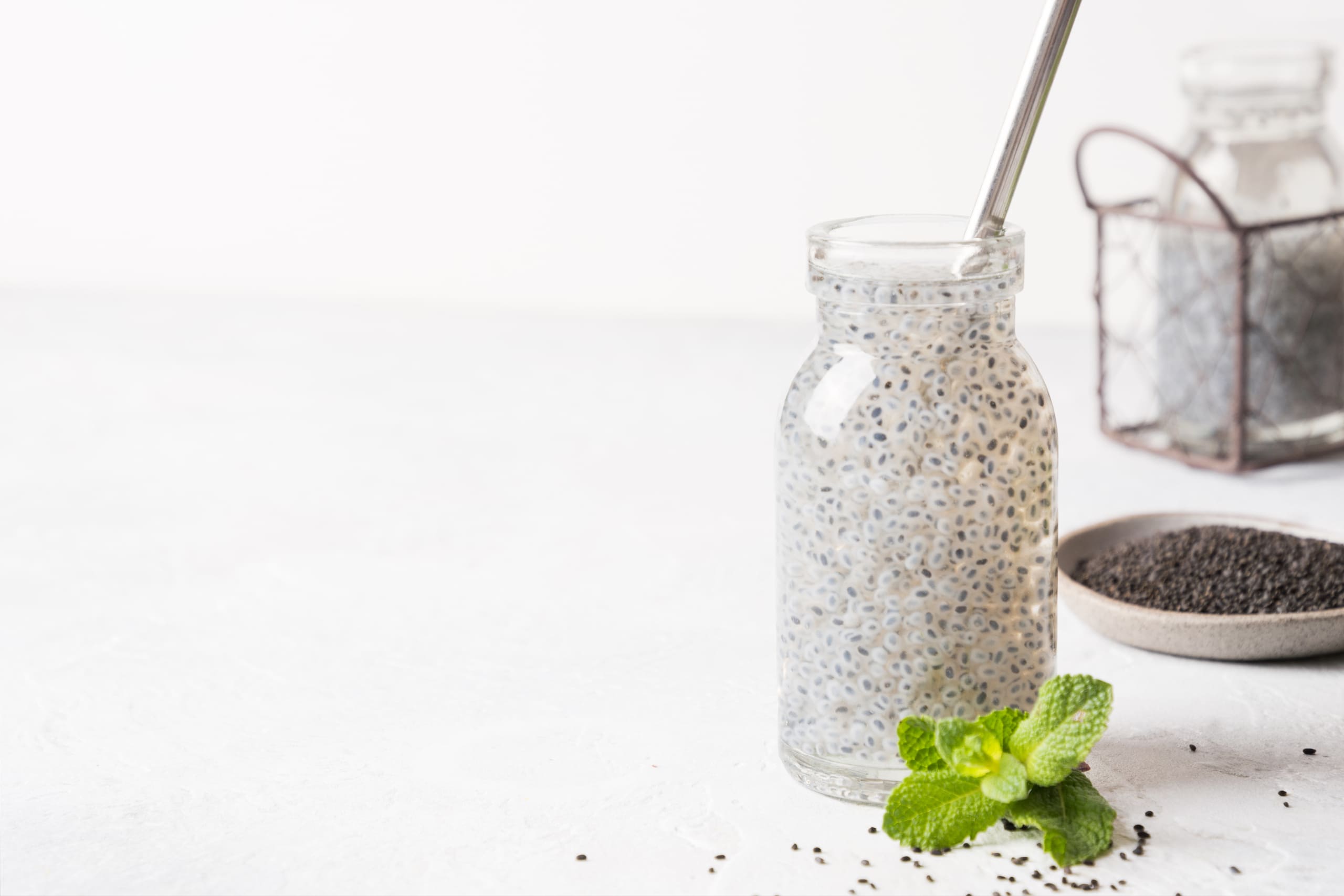
loi-ich-khac-nhau-cua-hat-e

Basil seeds have many nutrious values

3. How to Distinguish Chia Seeds and Basil Seeds

To help you easily compare, Annam Gourmet summarizes the detailed comparison table below:

Criteria

Chia Seeds

Basil Seeds (Hạt É)

Scientific Name

Salvia Hispanica

Ocimum Basilicum

Origin

South America, Australia (Chia Plant)

Southeast Asia (Sweet Basil Plant)

Color

Striped, alternating black/gray/white/brown. Slightly glossy.

Jet black, matte color, no gloss.

Shape

Oval, slightly flattened, small.

Round, plump, larger than Chia seeds.

Nutrition

Rich in Omega-3, Protein, Calcium, Vitamins.

Rich in fiber, cooling property. Less nutrient-dense.

When Soaked

Gel sticks together, adheres tightly to the seed. Odorless.

Gel surrounds each seed separately (like frog eggs). Slight herbal scent.

Usage

Eat directly, sprinkle on salad, bake, mix drinks.

Must be fully soaked before use.

Price

Higher (due to import and nutritional value).

Cheaper.

Distinguishing between Chia seeds and Basil seeds not only helps you avoid buying the wrong product but also ensures your body receives the desired nutritional source. If you are looking for Omega-3 and abundant energy, Chia Seeds are an irreplaceable choice. Conversely, if you just want a refreshing drink to cool down on a summer day, basil seeds are a more economical option.

At Annam Gourmet, we are proud to bring you officially imported organic Chia seed products, rigorously tested for quality. Visit our store or website to experience the difference of world-class superfoods.

Contact Information - Annam Gourmet

• Website: https://shop.annam-gourmet.com/

• Hotline: 1900 636431

• Email: [email protected]

References:

Harvard T.H. Chan School of Public Health. (n.d.). The Nutrition Source - Chia Seeds.

Healthline. (2023). Basil Seeds: Nutrition, Benefits, Uses, and Side Effects