what-is-organic-food

Organic foods are becoming increasingly popular due to their health and environmental benefits. These are products produced using natural processes, minimizing synthetic chemicals and being environmentally friendly. Annam Gourmet will help you understand what organic food is and how to identify organic products, thereby easily choosing safe and quality foods for your family.

1. What is organic food?

Organic foods are foods produced using organic agricultural methods, prioritize natural elements and minimize synthetic chemicals. The growing and raising process does not use synthetic pesticides, chemical fertilizers, hormones or genetically modified organisms (GMOs).

However, organic foods can still use some types of pesticides, but they must be natural and organic products that do not contain toxic residues like synthetic chemicals.

thuc-pham-huu-co-la-gi

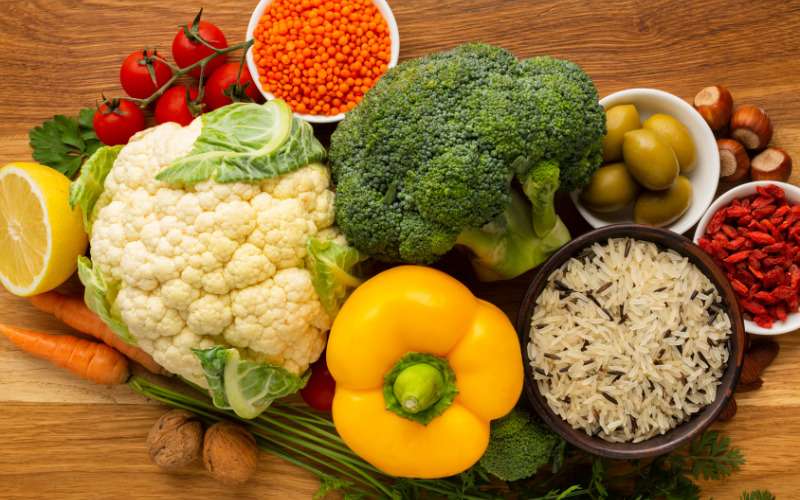
Organic foods are produced using organic farming methods that minimize synthetic chemicals.

Popular organic foods include vegetables, meat, eggs, milk and processed products made from 95% organic ingredients organic or higher. To be recognized as “organic,” a product must have a certification such as USDA Organic, EU Organic, or a domestic organic standard that ensures safe, transparent, and environmentally friendly production processes.

2. Standards for evaluating organic food

To be recognized as organic, a product must meet a series of strict criteria to ensure safety, naturalness and sustainability. These standards not only control the way of growing and raising, but also cover the processing, preservation and traceability processes. Below are the most important standards to evaluate whether a food is truly “organic” or not:

No synthetic chemicals used

Do not use chemical fertilizers.

Do not use synthetic pesticides or herbicides.

It is possible to use natural pesticides that are on the list of permitted pesticides in organic agriculture.

No GMOs

Non-GMO crops and animal feed.

khong-su-dung-gmo

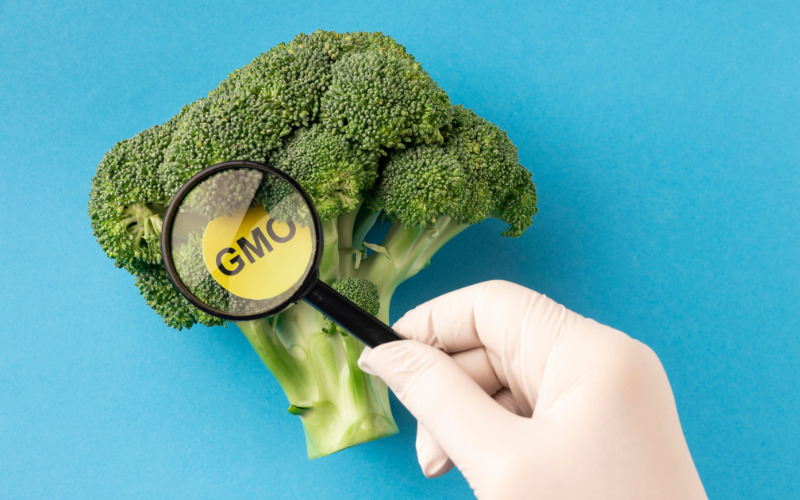
Non-GMO organic foods

Natural farming process

Do not inject growth hormones.

Minimize antibiotic use; use only when absolutely necessary and under control.

Pets must have suitable exercise space and a natural living environment.

Protecting land and water resources

The land must be cultivated organically for at least 2–3 years before planting.

Irrigation water sources must be clean, free of heavy metals or prohibited chemicals.

Pre-processing and processing according to organic standards

At least 95% of ingredients must be from organic sources (per USDA & EU).

No use of prohibited synthetic additives such as artificial colors, strong preservatives, chemical flavors.

Clear traceability

Have records, farming/livestock diary.

Can trace manufacturer, batch, cultivated land.

Certification from a reputable organization

Depending on the country, the product must be tested by a third party, for example:

USDA Organic (USA)

EU Organic (Europe)

JAS Organic (Japan)

Australia Certified Organic

Organic Vietnam / PGS Vietnam

3. Popular organic foods

Organic foods are now very diverse, appearing in most familiar food groups. These products are cultivated and raised according to strict organic processes, limiting synthetic chemicals and prioritizing natural elements. Below are the popular organic foods today:

3.1. Organic vegetables

Vegetables are grown on clean soil, using organic fertilizers and minimizing synthetic pesticides. Thanks to the natural farming process, organic vegetables are often fresher, retain their natural flavor and are safer for health. This is the ideal choice for healthy family meals.

Some popular organic vegetables:

Organic lettuce: Rich in vitamins A and C, good for eyes and skin.

Organic spinach: Natural source of iron and fiber, good for the digestive system.

• Organic kale: Contains many antioxidants, supports immunity.

Organic carrots: Rich in beta-carotene, good for eyesight and skin.

Organic pumpkin: Rich in vitamin A, good for the digestive system and cardiovascular system.

Organic cucumber: Helps cool, provide water and minerals.

Organic mini tomatoes: Contains lycopene, which supports heart health and is an antioxidant.

rau-cu-huu-co

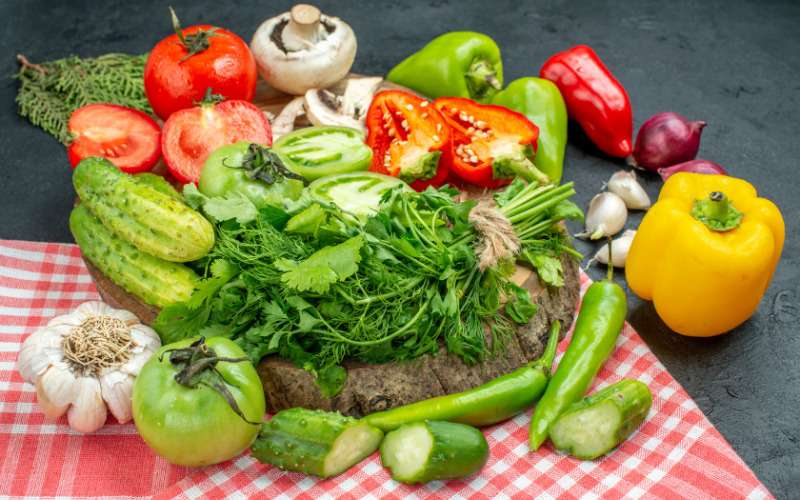
Organic vegetables are vegetables grown on clean soil, using organic fertilizers.

3.2. Organic fruits

Fruits are grown using processes that limit pesticides, do not use ripening stimulants and ensure Non-GMO standards. Thanks to natural farming methods, organic fruits often have a richer taste, stay fresh longer and are safe for children. This is an ideal choice for eating directly or making juices and smoothies.

Some popular organic fruits:

Organic Gala Apples: Rich in vitamin C, good for the immune system.

• Organic Oranges: Provides antioxidants, supports healthy skin.

Organic bananas: Rich in potassium, good for the heart and daily energy.

• Organic grapes: Contains resveratrol, good for the heart and anti-aging.

• Organic strawberries: Rich in vitamin C and antioxidants, increases resistance.

• Organic butter: Source of healthy fats, good for the brain and heart.

• Organic mango: Rich in vitamin A and fiber, good for eyes and digestion.

3.3. Organic grains and seeds

Group organic grains and seeds are popular because they are rich in nutrients, do not contain synthetic herbicides such as glyphosate, and use pure, non-GMO seeds. These products provide a lot of fiber, vitamins and minerals, making them an ideal choice for people who eat healthy, eat clean or follow a vegetarian diet.

Some popular organic grains and seeds:

• Organic brown rice: Rich in fiber, helps aid digestion and maintain long-lasting energy.

Bob's Red Mill Organic Rolled Oats: Provides beta-glucan, good for the heart and cholesterol control.

NATURGREEN organic chia seeds: Rich in omega-3, supports heart health and is anti-inflammatory.

• Organic walnuts: Contains healthy fats and antioxidants, good for the brain and heart.

Organic almonds: Source of vegetable protein and vitamin E, helps healthy skin and increases energy.

• Organic Quinoa: Rich in complete protein, good for vegetarians and exercisers.

• Organic lentils: Rich source of protein and fiber, supports the digestive system and stabilizes blood sugar.

3.4. Organic milk, eggs, meat

This is a group of foods from animals raised using natural methods: no growth hormones, limited antibiotics, fed organic food and space to move. This group is often very tightly controlled. Common products include: fresh milk organic, organic yogurt, eggs, organic chicken, organic pork, organic beef… Suitable for families with small children or people who want to limit chemical residues from livestock farming.

Some popular organic products:

• Organic fresh milk: Rich in calcium and vitamin D, good for bones and teeth.

• Organic yogurt: Supports digestion thanks to containing natural probiotics.

• Organic eggs: High quality protein source, rich in omega-3 and vitamins.

• Organic chicken: Low in saturated fat, high in protein, good for heart health.

• Organic pork: Contains protein, B vitamins and essential minerals.

• Organic beef: Rich in iron, zinc and protein, supports muscle development and the immune system.

thit-trung-sua-huu-co

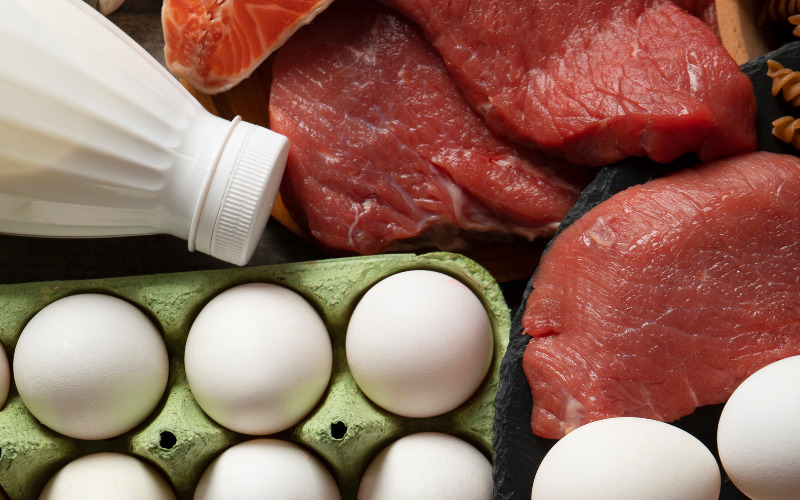
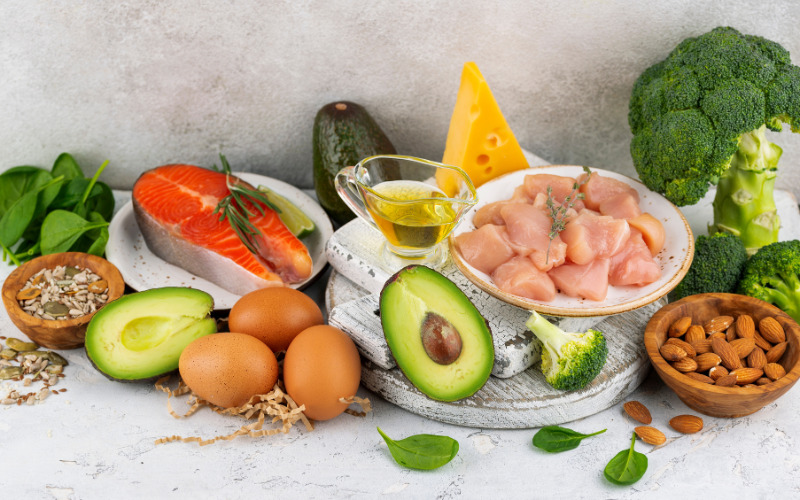
Organic milk, eggs, and meat raised naturally without growth hormones

3.5. Organic seafood

Seafoods are seafood raised in clean water, strictly controlled environments and without the use of antibiotics or toxic chemicals. This group is less popular but is growing thanks to its high quality and safety for health. Organic seafood meat is often firm, retains its characteristic natural flavor, very suitable for healthy meals.

Some popular organic seafood:

• Organic shrimp: Firm meat, rich in protein and omega-3, safe for children and adults.

• Organic salmon: Rich in omega-3, good for the heart and brain.

• Organic basa fish: Tender meat, rich in protein, low in saturated fat.

• Organic clams: Natural source of zinc and iron, supports the immune system.

• Organic scallops: Rich in vitamin B12 and minerals, good for overall health.

3.6. Organic herbs and spices

Organic herbs and spices are grown without synthetic chemicals, helping to retain natural flavors and are safe for cooking.

Some common types:

• Organic basil: Adds natural flavor to dishes, rich in antioxidants.

• Organic coriander: Rich in vitamins A and C, good for the immune system.

• Organic green onions: Helps add flavor to food, good for digestion.

• Organic garlic: Rich in allicin, supports the cardiovascular system and increases resistance.

3.7. Organic juices, teas and processed foods

This group includes products processed from organic ingredients, ensuring safety and retaining most of the natural nutrients.

Some popular products:

• Organic apple juice: Rich in vitamin C, good for the immune system.

• Organic green tea: Contains antioxidants, helps reduce fatigue and enhance memory.

• Organic tomato jam or sauce: Keeps natural flavor, less sugar and preservatives.

nuoc-huu-co

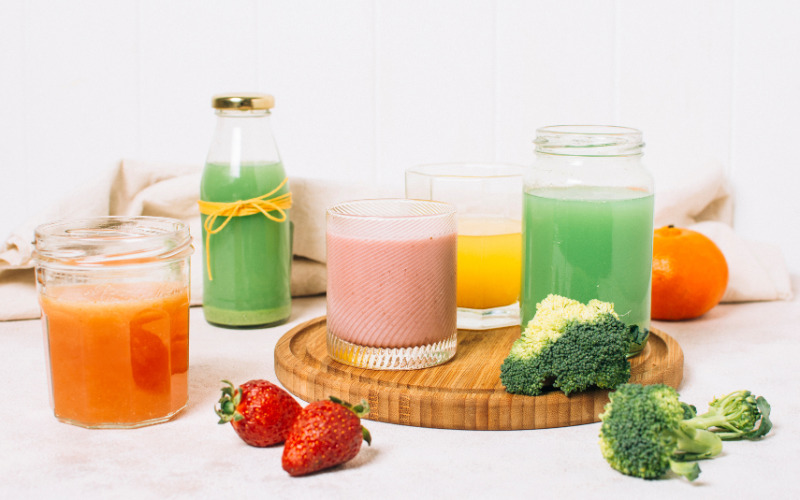
Organic juices, teas and processed foods are safe and retain most of their natural nutrients.

3.8. Organic processed grain and bean products

Including nut butters, nut milks, nut snacks... made from organic ingredients, good for the heart and digestive system.

Some popular products:

• Organic almond butter: Rich in healthy fats, good for the brain and heart.

• Organic nut milk (almond, soy): Replaces animal milk, rich in nutrients.

• Organic nut snacks: Provides energy and natural fiber, convenient for snacks.

4. Tips for choosing safe food for your family

To protect the health of the whole family, choosing safe food is more important than ever. Just by following a few simple tips below, you can limit the risk of chemicals and bacteria and be more confident when preparing meals every day.

• Prioritize products with clear origin.

When buying food, choose products with full labels, clearly stating the place of manufacture, expiry date and accompanying safety certificates. The packaging must be intact, with clear information for easy traceability. On the contrary, avoid foods that are floating, unpackaged or of unidentifiable origin, because the risk level for quality and safety is very high.

• Look closely for color, smell, and freshness.

After checking the source, carefully observe the appearance. Fresh vegetables usually have a natural color, a not too shiny surface and the stem is not wilted. Fruits have a mild smell and the skin is not “unusually shiny”. With meat and fish, you should choose the type with a light pink color, elastic surface and no strange smell. These are signs that help you identify fresh and safe food.

chon-thuc-pham-huu-co

Fresh vegetables usually have a natural color, a surface that is not too shiny, and the stems are not wilted.

• Avoid foods that show signs of abnormality.

Some obvious signs that food may have been treated with chemicals or stimulants: vegetables that are too smooth, fruits that have a waxy sheen, or meat that is dark red and has held its color for too long. When you encounter such products, you should avoid buying them to limit the risk of exposure to unsafe chemicals.

• Choose seasonal foods

For added safety, prioritize buying seasonal foods. Seasonal foods are often grown more naturally, use less pesticides, and taste fresher. This is also a smart way to optimize costs while still ensuring the quality of your meals.

• Buy at a reputable place

Once you know what to buy, you should also pay attention to where to buy it. Supermarkets, organic food stores such as Annam Gourmet or certified farms are reliable places to buy. On the other hand, you need to be wary of products with “unusually cheap” prices, because low prices sometimes mean poor quality or improper storage.

• Prioritize organic or certified food

If possible, you should choose products with certifications such as USDA Organic, EU Organic, VietGAP or HACCP. These certifications show transparent farming processes, limited synthetic chemicals and strict inspection, helping you feel more secure when choosing for your family.

• Wash and store properly

Finally, no matter how carefully you choose your food, you still need to wash it and store it properly. Soaking vegetables in diluted salt water or baking soda helps reduce chemical residue. Meat and fish should be refrigerated at the right temperature to keep them fresh and limit bacteria. This is an important step to complete the health protection for your whole family.

rua-sach-thuc-pham

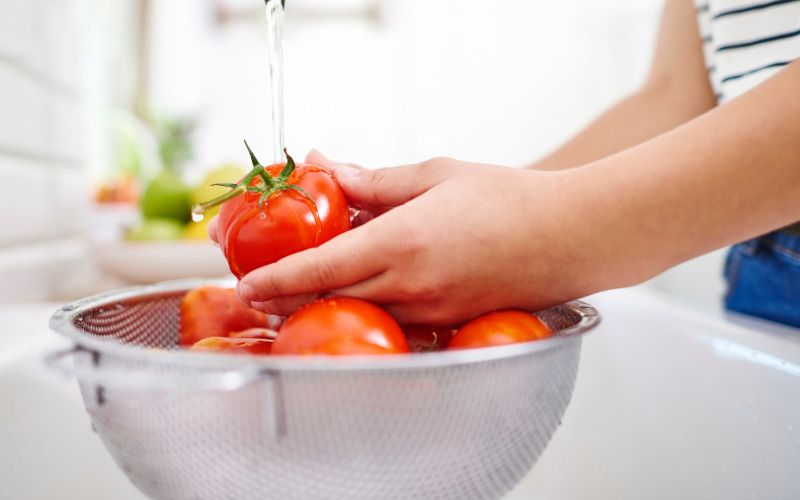
Soaking vegetables in diluted salt water or baking soda helps reduce chemical residue.

5. Health benefits of organic food

Organic foods are increasingly chosen by many people because of their safety and high nutritional content. Not only does it help limit harmful chemicals, organic foods also bring many practical benefits to health and quality of life. Below are the most prominent benefits.

• Reduce the risk of exposure to toxic chemicals

Organic foods are grown and raised without the use of synthetic pesticides, chemical fertilizers, or growth hormones. This reduces your and your family’s exposure to chemicals that can have long-term health effects.

• More nutritious

Many studies show that organic foods, especially vegetables and fruits, can contain more vitamins, minerals and antioxidants than conventional products. These substances help the body fight free radicals and strengthen the immune system.

loi-ich-cua-thuc-pham-huu-co

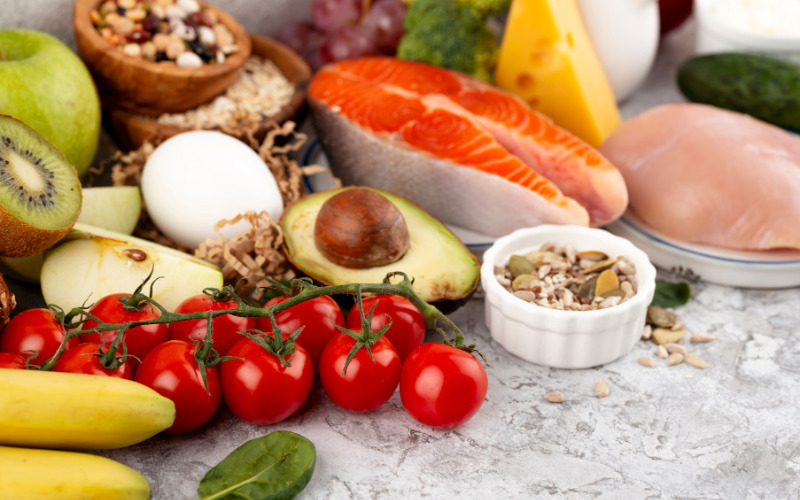
Health benefits of organic food

• Safer for children and pregnant women

Since children’s immune systems are still weak and pregnant women need to limit chemicals as much as possible, organic foods are a more suitable choice. This group of people is sensitive to pesticides and synthetic hormones found in conventional foods.

• Reduces the risk of allergies and chemical sensitivities

Thanks to the reduced use of preservatives, pesticides and synthetic additives, organic foods are often easier to digest and less likely to cause irritation for people with allergies or chemical sensitivities.

• Good for intestinal health

Many organic foods, especially organic milk and meat, come from animals that are not routinely given antibiotics. This reduces the risk of your body absorbing antibiotic residues, which in turn supports a healthier gut microbiome.

• Limit the risk of antibiotic resistance

Antibiotic overuse in livestock production is common in conventional products. Meanwhile, organic processes strictly control the use of antibiotics, helping to reduce the risk of accumulation in the body and limit antibiotic resistance.

• Provides more peace of mind in daily use

More than just nutrition, organic food also gives you peace of mind knowing that your family's meals are made from cleaner, more natural sources and controlled by transparent processes.

Organic food is not only a trend but also a sustainable choice for health and the environment. When you understand the concept, standards and how to identify organic products, you will easily choose safe, quality food that suits your needs. Hopefully, this article has helped you feel more confident every time you stand in front of the food counter and make smart decisions for your family.

Contact Information - Annam Gourmet

• Website: https://shop.annam-gourmet.com/ 

• Hotline: 1900 636431

• Email: [email protected]

References:

Better Health Channel. (2024). Organic food.Quote fromhttps://www.betterhealth.vic.gov.au/health/healthyliving/organic-food 

EverydayHealth. (n.d.). What is organic food?Quote fromhttps://www.everydayhealth.com/diet-nutrition/what-is-organic-food/