What are superfoods

The term superfood refers to foods naturally rich in essential nutrients, antioxidants, and bioactive compounds that benefit overall health. While not a miracle cure, scientific studies show that incorporating superfoods into your daily diet can strengthen the immune system, support heart health, and reduce chronic inflammation. In this article, Annam Gourmet explores what “superfood” truly means and introduces 10 nutrient-packed, easy-to-find ingredients to inspire a wholesome and balanced way of eating.

1. What Are Superfoods?

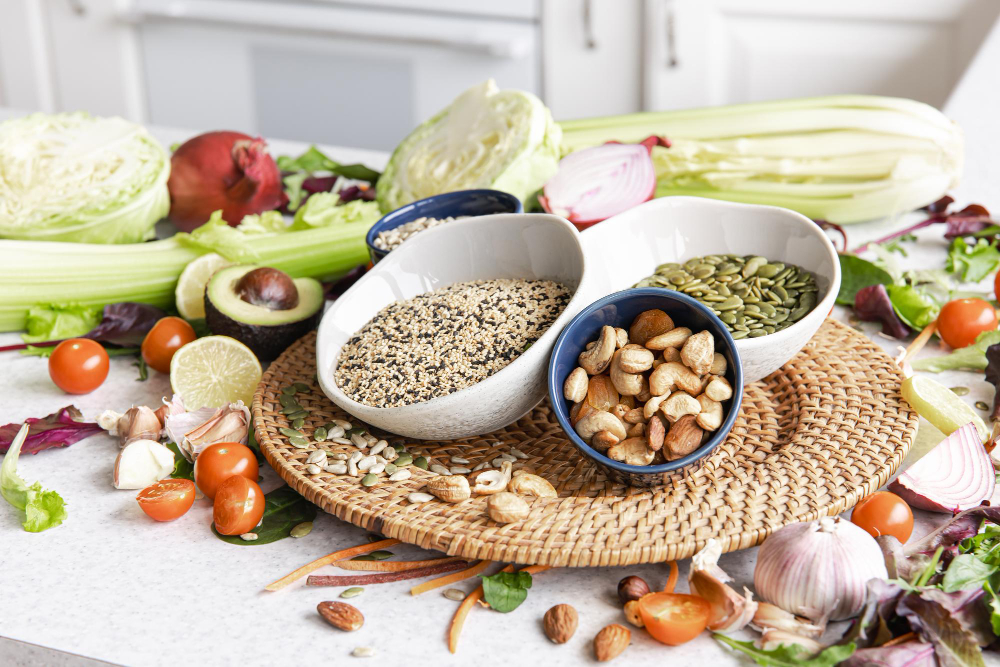
The term superfood refers to foods with exceptionally high nutrient density - meaning they deliver a concentrated amount of vitamins, minerals, antioxidants, and beneficial bioactive compounds in a small serving. While there’s no official definition from organizations like the FDA or WHO, the term is often used in nutrition science to describe ingredients that provide measurable health benefits when consumed regularly. According to Harvard Health Publishing (2023), superfoods can:

• Strengthen the immune system and reduce inflammation

• Protect against oxidative stress - a key factor in aging and chronic disease

• Support heart, digestive, and cognitive health

• Promote weight management and balanced energy levels

However, nutrition experts emphasize that superfoods are not “miracle foods”. Their benefits are best realized as part of a balanced diet rich in fruits, vegetables, lean proteins, and healthy fats.

what is superfood

The term superfood refers to foods with exceptionally high nutrient density

2. 10 Popular and Nutrient-Rich Superfoods

CNutrition experts agree that the best way to benefit from superfoods is to combine different groups - from fruits and vegetables to grains, nuts, and fermented foods. Each group contributes unique bioactive properties, such as antioxidant support, improved gut health, or lipid balance. Below are ten superfoods widely recognized by international studies and the medical community for their positive effects on overall well-being.

2.1. Berries (Blueberries, Raspberries, Strawberries)

Berries are among the most extensively studied superfoods, celebrated for their exceptional levels of anthocyanins, vitamin C, fiber, and polyphenols. These compounds help neutralize free radicals, reduce inflammation, and protect both neural and vascular cells. A Journal of Agricultural and Food Chemistry (2019) study found that regular berry consumption can enhance short-term memory, improve focus, and lower the risk of cardiovascular disease through powerful antioxidant activity.

In addition, the natural fiber in berries helps regulate blood sugar levels and maintain a healthy gut microbiome - an ideal choice for a balanced, modern diet. To enjoy their benefits year-round, consider using imported frozen mixed berries, which retain stable nutritional value and freshness throughout the seasons.

berries are superfoods

Berries are among the most extensively studied superfoods

2.2. Salmon

Salmon is one of the richest natural sources of protein and omega-3 fatty acids, often regarded by nutritionists as a top superfood for heart and brain health. The two key omega-3s found in salmon - EPA (eicosapentaenoic acid) and DHA (docosahexaenoic acid) - have been scientifically shown to help reduce inflammation, regulate blood pressure, enhance memory, and support overall cognitive function.

According to the  American Heart Association (AHA, 2022), consuming salmon two to three times per week may lower the risk of cardiovascular disease by up to 30%. Beyond its healthy fats, salmon also provides vitamin D, vitamin B12, and selenium, all essential for energy metabolism and cellular protection against oxidative stress.

For a convenient yet nutritious option, Cochon D’Or Smoked Salmon Sliced 200g offers premium quality and a delicate flavor - perfect for quick meals, canapés, or refined salads.

Cochon D’Or Smoked Salmon Sliced 200g

Cochon D’Or Smoked Salmon Sliced 200g offers premium quality and a delicate flavor

2.3. Chia Seeds

Chia seeds are a plant-based superfood celebrated for their impressive nutrient density - rich in omega-3 fatty acids, soluble fiber, protein, and essential minerals. Just two tablespoons provide over 10g of fiber and 5g of protein, supporting digestive health, blood sugar balance, and prolonged satiety.

A study published in the European Journal of Clinical Nutrition (2020) found that regular chia seed consumption can help lower LDL (bad) cholesterol and increase HDL (good) cholesterol, while promoting healthy weight management thanks to their natural gel-forming ability when soaked in liquid.

For a simple yet nourishing treat, soak pure chia seeds in almond milk, coconut milk, or fruit juice for 15–30 minutes to create a creamy chia pudding. Alternatively, sprinkle them over salads, oatmeal, or smoothies for added texture and nutritional depth.

Chia seeds

Chia seeds are a plant-based superfood celebrated for their impressive nutrient density

2.4.Walnuts and Almonds

Walnuts and almonds are among the most nutrient-dense superfoods, known for their powerful antioxidant profile and heart-healthy fats. Walnuts are rich in alpha-linolenic acid (ALA) - a plant-based omega-3 that helps reduce inflammation, regulate heart rhythm, and support vascular health. Almonds, on the other hand, provide abundant vitamin E, magnesium, and monounsaturated fats, all of which protect cells from oxidative stress and promote skin elasticity.

According to the Harvard T.H. Chan School of Public Health (2021), consuming a small handful (around 30 g) of walnuts or almonds daily may lower LDL cholesterol and reduce cardiovascular risk by up to 15–20%. With their nutty flavor and satisfying crunch, these nuts are ideal in Mediterranean-style salads or as part of a balanced breakfast. Options like Pam’s Walnut 120g are favored for their natural freshness and suitability for vegetarian or clean-eating diets.

Pam's Walnut (130g)

Pam’s Walnut 120g are favored for their natural freshness and suitability for vegetarian or clean-eating diets

2.5. Quinoa

Quinoais one of the few plant-based foods considered a complete protein, containing all nine essential amino acids the body cannot produce on its own. It is also high in fiber, iron, magnesium, zinc, and flavonoids, supporting stable blood sugar levels, improved metabolism, and reduced chronic inflammation.

A study published in the British Journal of Nutrition (2020), found that replacing refined carbohydrates with quinoa can help improve blood lipid profiles and lower the risk of metabolic syndrome. Thanks to its mild flavor and delicate texture, quinoa makes an excellent base for salads, grain bowls, or Buddha bowls, offering long-lasting satiety without heaviness. Products like Bob’s Red Mill Organic Quinoa Grain 727g are valued for their organic origin and retained nutritional integrity.

Bob’s Red Mill Organic Quinoa Grain 727g

Bob’s Red Mill Organic Quinoa Grain 727g are valued for their organic origin and retained nutritional integrity

2.6. Green Tea (Matcha, sencha) 

Green tea is among the most extensively studied superfoods, celebrated for its high content of catechins, particularly epigallocatechin gallate (EGCG) - a powerful antioxidant compound known to neutralize free radicals, reduce inflammation, boost metabolism, and protect neural cells.

According to the Journal of Nutritional Biochemistry (2022), consuming two to three cups of green tea daily may help lower cardiovascular risk by up to 20% and enhance cognitive performance in adults. Matcha, made from finely ground tea leaves, retains the entire leaf’s nutrient profile, offering three to four times more polyphenols than traditional brewed tea. Meanwhile, Sencha delivers a lighter, fresher taste and a notable amount of L-theanine - an amino acid that promotes calm focus without drowsiness.

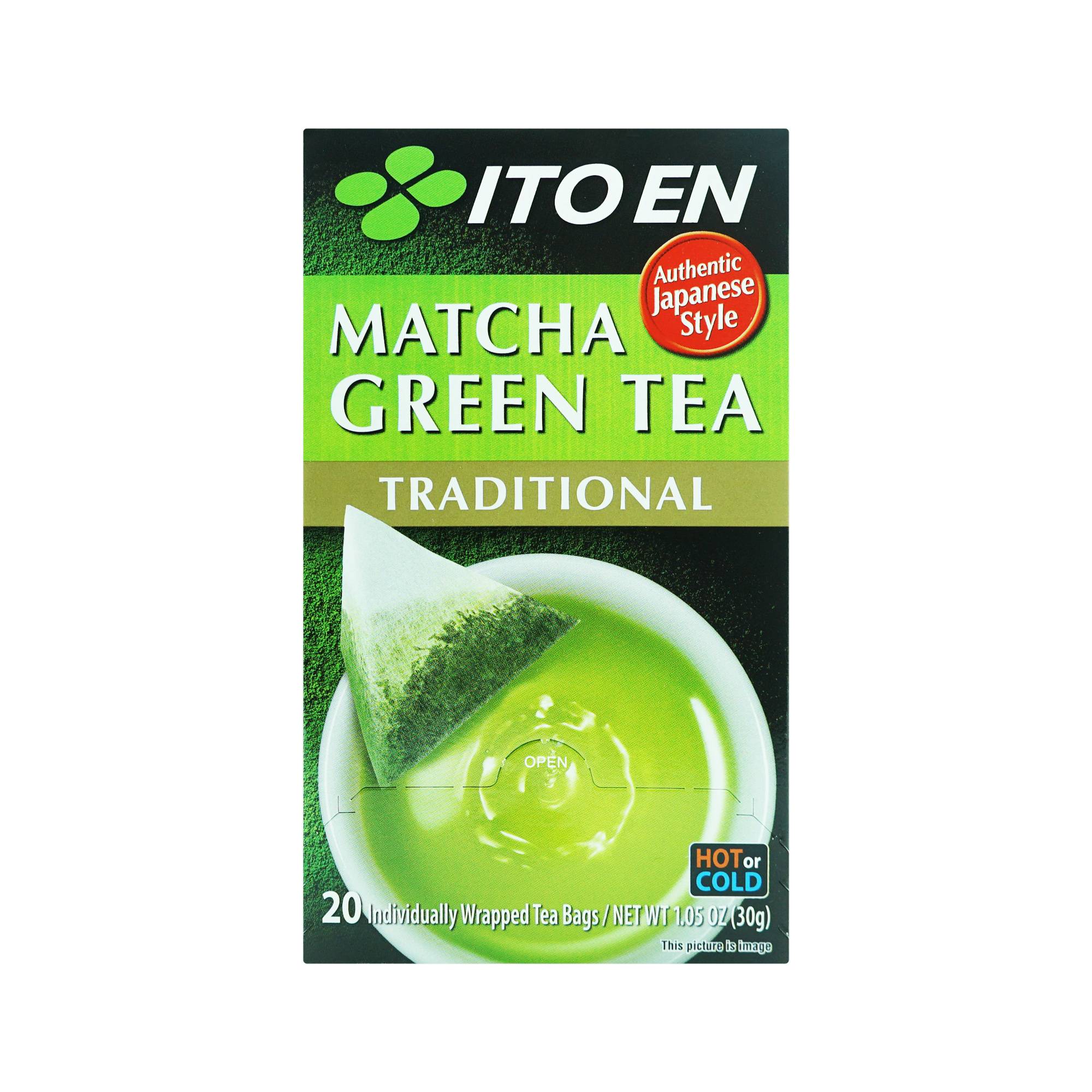
Products like Itoen Itoen Matcha Green Tea Traditional 20g are beloved for their authentic Japanese craftsmanship, preserving the pure aroma and antioxidant integrity of the tea leaves.

Itoen Matcha Green Tea Traditional 20g

Itoen Matcha Green Tea Traditional 20g are beloved for their authentic Japanese craftsmanship

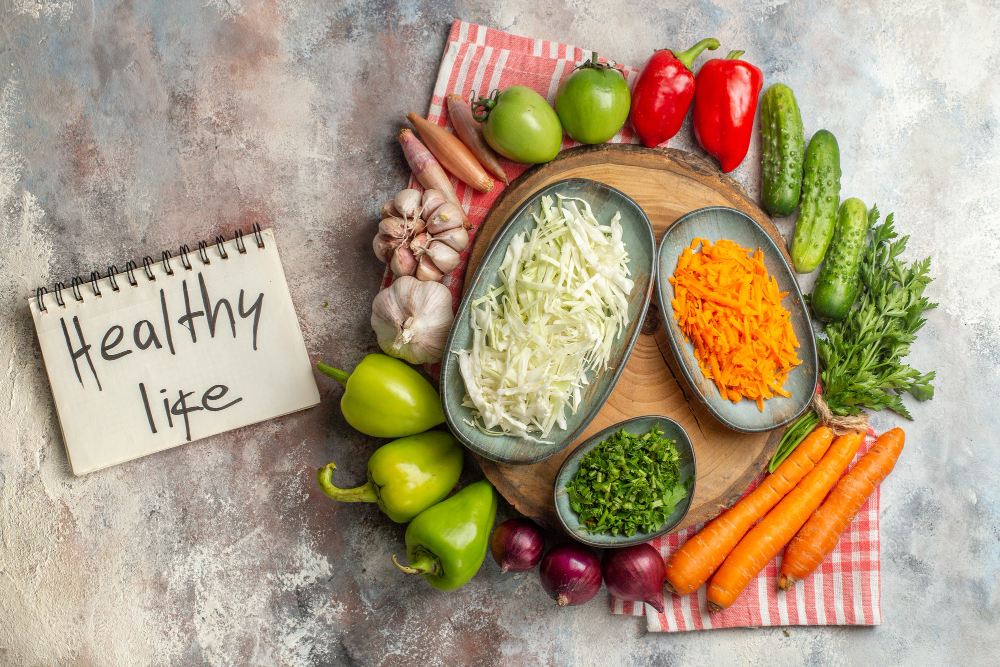
2.7. Leafy Greens (Kale, Spinach)

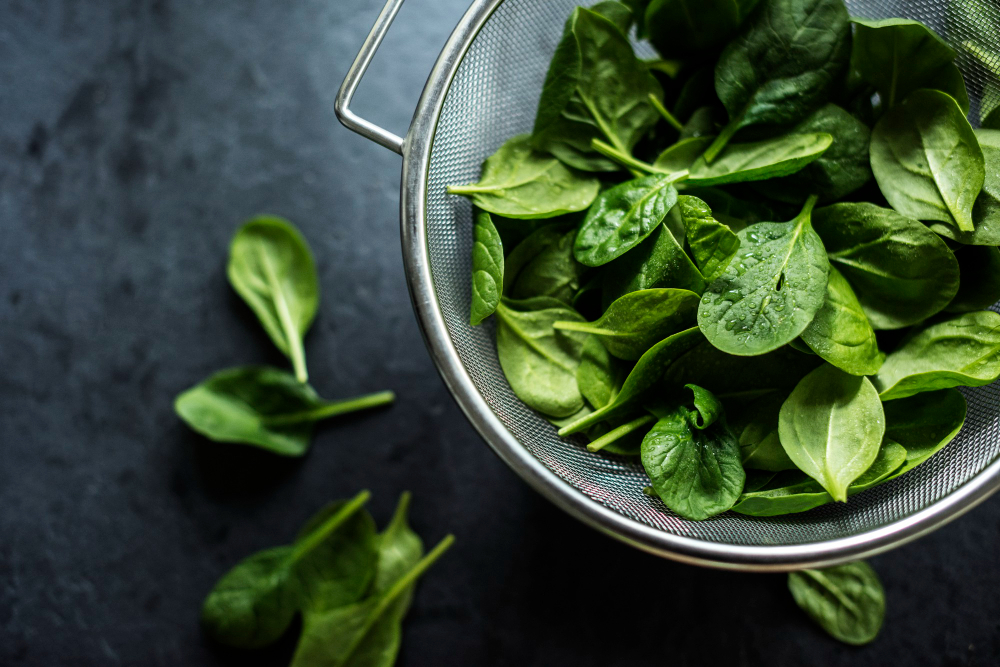
Leafy greens - particularly kale and spinach - are nutritional powerhouses rich in vitamins K, A, and C, as well as essential minerals such as calcium, iron, and folate. These vegetables have been widely recognized for supporting bone strength, cardiovascular health, and cancer prevention thanks to their abundance of carotenoids and flavonoids.

A study published in the The American Journal of Clinical Nutrition (2021) found that consuming around 60–80 g of leafy greens daily may reduce cardiovascular risk by up to 26% and improve vascular function. Kale and spinach also make excellent bases for salads, detox smoothies, or light stir-fries, helping balance the diet while maximizing the absorption of fat-soluble vitamins.

vegetables are superfoods 

These vegetables have been widely recognized for supporting bone strength

2.8. Avocado

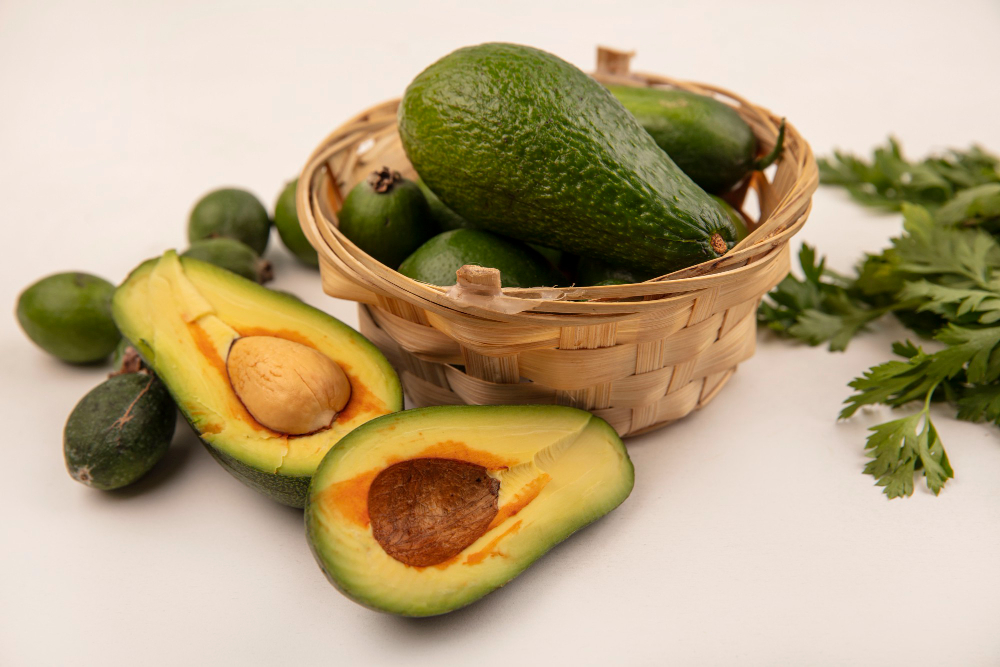
Avocado is one of the most nutrient-dense superfoods, packed with monounsaturated fats, primarily oleic acid - a heart-healthy compound known to lower “bad” LDL cholesterol while increasing “good” HDL cholesterol. It is also a rich source of vitamins E, C, and B6, as well as potassium, an essential mineral that helps regulate blood pressure and support muscle function.

According to the Journal of the American Heart Association (2019), replacing saturated fats with avocado-derived fats in the daily diet may reduce the risk of cardiovascular disease by up to 21%. Moreover, avocado enhances the absorption of fat-soluble vitamins (A, D, E, and K) when paired with vegetables, making it a versatile ingredient in both savory and sweet dishes.

avocado

Avocado is one of the most nutrient-dense superfoods, packed with monounsaturated fats

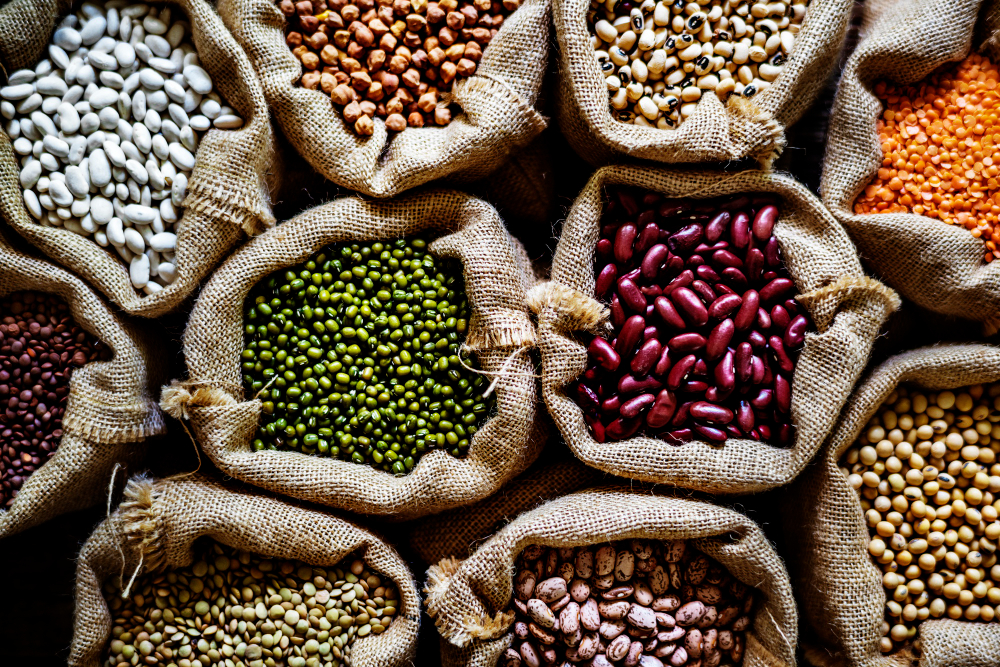
2.9. Legumes (Chickpeas, Lentils)

Legumes are an excellent plant-based superfood, rich in protein, soluble fiber, and essential minerals, while maintaining a low glycemic index, making them ideal for heart health and weight management. Research from Harvard T.H. Chan School of Public Health (2021) found that consuming three to four servings of legumes per week may reduce the risk of type 2 diabetes by up to 22% and help stabilize long-term blood sugar levels.

Chickpeas and lentils are particularly high in folate, iron, and magnesium, supporting cell regeneration and sustained energy release. Their fiber content also helps nurture gut microbiota, promoting better digestion. Premium-quality dried legumes available at Annam Gourmet are perfect for wholesome soups, vibrant salads, or nutritious grain bowls.

Legumes are an excellent plant-based superfood

Legumes are an excellent plant-based superfood, rich in protein

>> Learn more: Summary of 13 types of nutritious, healthy nuts

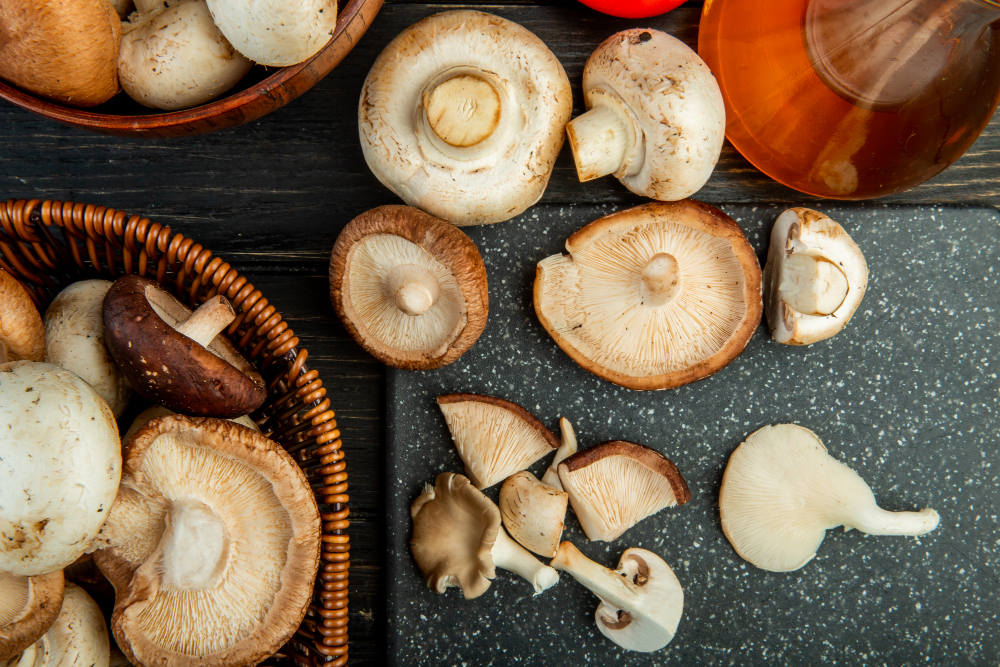
2.10. Mushrooms (Shiitake, Reishi,etc)

Mushrooms rank among the most bioactive superfoods, containing beta-glucans, ergothioneine, and selenium - compounds known for their immune-boosting, anti-inflammatory, and antioxidant effects. Regular mushroom consumption can enhance the activity of Natural Killer (NK) cells, a key part of the body’s defense system against infections and abnormal cells.

Shiitake mushrooms offer a signature umami depth, ideal for light soups or healthy fried rice dishes, while reishi is commonly used in wellness formulas that promote recovery and vitality. Beyond their culinary versatility, mushrooms are a natural ally in strengthening immunity and maintaining a balanced, health-focused lifestyle.

mushroom is superfood

Mushrooms rank among the most bioactive superfoods, containing beta-glucans, ergothioneine

3. Key Health Benefits of Superfoods

Superfoods are not “miracle” foods, but rather nutrient-dense natural ingredients that deliver exceptional levels of vitamins, minerals, antioxidants, and bioactive compounds per serving. When incorporated into a balanced daily diet, they offer a wide range of science-backed health benefits:

Boost antioxidant capacity: Many superfoods - such as berries, green tea, and mushrooms - are rich in polyphenols and flavonoids that help neutralize free radicals, reduce cellular damage, and slow down the aging process.

Support heart health: Omega-3–rich foods (like salmon and walnuts) and soluble fiber sources (such as oats and lentils) can lower LDL cholesterol and improve vascular function, thereby reducing the risk of cardiovascular disease.

Balance metabolism and manage weight: Packed with fiber, plant-based protein, and healthy fats, superfoods help prolong satiety, stabilize blood sugar levels, and reduce overeating - key factors in maintaining a healthy weight and energy balance.

Enhance immunity and cognitive function: Micronutrients such as vitamins C and E, zinc, and carotenoids found in leafy greens and berries strengthen the immune system, reduce neuroinflammation, and support long-term brain health and memory.

In essence, integrating superfoods into your diet is about more than nutrition - it’s about cultivating harmony between body, mind, and vitality. This philosophy lies at the heart of Annam Gourmet’s modern, mindful approach to wholesome living.

superfoods are nutrient-dense natural ingredients

Superfoods are not “miracle” foods, but rather nutrient-dense natural ingredients that deliver exceptional levels of vitamins

4. Common Misconceptions About Superfoods

Although the term superfood has become widely popular in nutrition and wellness media, many scientific reviews emphasize that it is often misunderstood or used beyond its intended scientific context. In fact, superfood is not an officially recognized classification in nutrition or medicine (European Food Information Council, 2021); rather, it is a descriptive term used to highlight foods that are exceptionally nutrient-dense and rich in beneficial bioactive compounds. However, misconceptions about this concept can lead to imbalanced eating habits, especially when consumers believe that superfoods can replace a balanced, diverse diet.

Superfoods cannot replace a complete, balanced diet: Optimal health relies on a varied mix of whole grains, lean proteins, healthy fats, fruits, and vegetables. Overemphasizing a few so-called “superfoods” may disrupt micronutrient balance and even cause nutritional deficiencies.

• Overconsumption can be counterproductive: Certain superfoods-such as chia seeds or highly concentrated green tea-may interfere with the absorption of iron and calcium or cause digestive discomfort when consumed in excess. The Journal of Nutrition (2020) recommends treating superfoods as part of a varied diet, not as standalone nutritional solutions.

Superfoods do not “detoxify” or “burn fat” instantly: Such claims are largely commercial myths without solid scientific evidence. The human body already possesses natural detoxification systems - primarily through the liver, kidneys, and skin. Superfoods may support these processes by providing antioxidants and essential micronutrients, but they do not create rapid or miraculous effects.

Superfood không chỉ giới hạn ở các thực phẩm nhập khẩu đắt tiền: Các nghiên cứu gần đây nhấn mạnh rằng nhiều loại thực phẩm bản địa - như đậu nành, gạo lứt, khoai lang tím hay rau cải xoăn trồng tại Việt Nam - có giá trị dinh dưỡng tương đương với các loại được gắn nhãn “superfood” từ phương Tây. Điều này phản ánh tầm quan trọng của việc phát triển chế độ ăn bền vững, ưu tiên nguyên liệu địa phương giàu vi chất.

Superfood không có tác dụng “giải độc” hoặc “đốt mỡ” tức thời: Những tuyên bố này thường mang tính thương mại và chưa được xác thực khoa học. Cơ thể con người vốn có hệ thống thải độc tự nhiên thông qua gan, thận và da; do đó, superfood chỉ đóng vai trò hỗ trợ chức năng này thông qua việc cung cấp chất chống oxy hóa và vi chất thiết yếu.

From a scientific perspective, there is no single food capable of guaranteeing perfect health. True wellness comes from variety, consistency, and mindful preparation. Understanding the real nature of superfoods allows consumers to approach nutrition with awareness and balance - values at the core of Annam Gourmet’s philosophy for sustainable, informed living.

 The term superfood has become widely popular

 The term superfood has become widely popular in nutrition and wellness media

The integration of superfoods into everyday living should be approached with awareness and personalization, rather than through the lens of fleeting health trends or “miracle food” beliefs. When chosen mindfully - from sourcing and storage to preparation - superfoods can do more than nourish the body; they can also elevate overall well-being and promote sustainable, conscious consumption.

At Annam Gourmet, you’ll find a thoughtfully curated selection of high-quality superfoods - from nuts, fruits, and teas to premium salmon - each chosen for its purity of flavor and nutritional integrity. Every ingredient is carefully sourced to inspire a wholesome, balanced lifestyle, where good food and mindful living come together naturally.

Contact Information - Annam Gourmet

References

Di Mattia, C. D., Ricci, A., Kataczki, E., Camangi, F., Fazzari, M., Bianchi, A., Santangelo, M., & De Franceschi, P. (2021). Nutritional profile and potential health benefits of super foods. Sustainability, 13(16), 9240. https://doi.org/10.3390/su13169240 

Eberhardt, M. V., Lee, C. Y., & Liu, R. H. (2000). Nutritional and antioxidant properties of fresh berries. Journal of Agricultural and Food Chemistry, 48(10), 4437–4442. https://doi.org/10.1021/jf000404a 

McKay, D. L., & Blumberg, J. B. (2017). The state of the science on the health benefits of blueberries and their phytochemicals. Frontiers in Nutrition, 4, 55. https://doi.org/10.3389/fnut.2017.00055 

Mayo Clinic Staff. (2022, April 14). The science of superfoods: Really beneficial, or just marketing? Mayo Clinic Health Essentials. https://mcpress.mayoclinic.org/nutrition-fitness/the-science-of-superfoods-really-beneficial-or-just-marketing/

Schmidt, H. (2023, September 28). What is a superfood? Baylor College of Medicine Blog Network. https://blogs.bcm.edu/2023/09/28/what-is-a-superfood/

University of California, Davis. (2024, January). What makes superfood so super? UC Davis Food & Nutrition News. https://www.ucdavis.edu/food/news/what-makes-superfood-so-super

Willis, N., & Blumberg, J. B. (2021). Superfoods: Exploring sustainability perspectives between nutrient-dense foods and wellbeing. Frontiers in Food Science and Technology, 3, 1507933. https://doi.org/10.3389/frfst.2025.1507933