seaweed-has-various-types-and-benefits

Seaweed is not just a familiar ingredient in cooking but also brings countless benefits to your health. From supporting digestion and boosting immunity to helping with beauty and maintaining your figure, seaweed is truly a "superfood" you shouldn't ignore. Let's explore the 10 amazing benefits of seaweed and experience quality products at Annam Gourmet to take care of your health every day.

1. What is Seaweed?

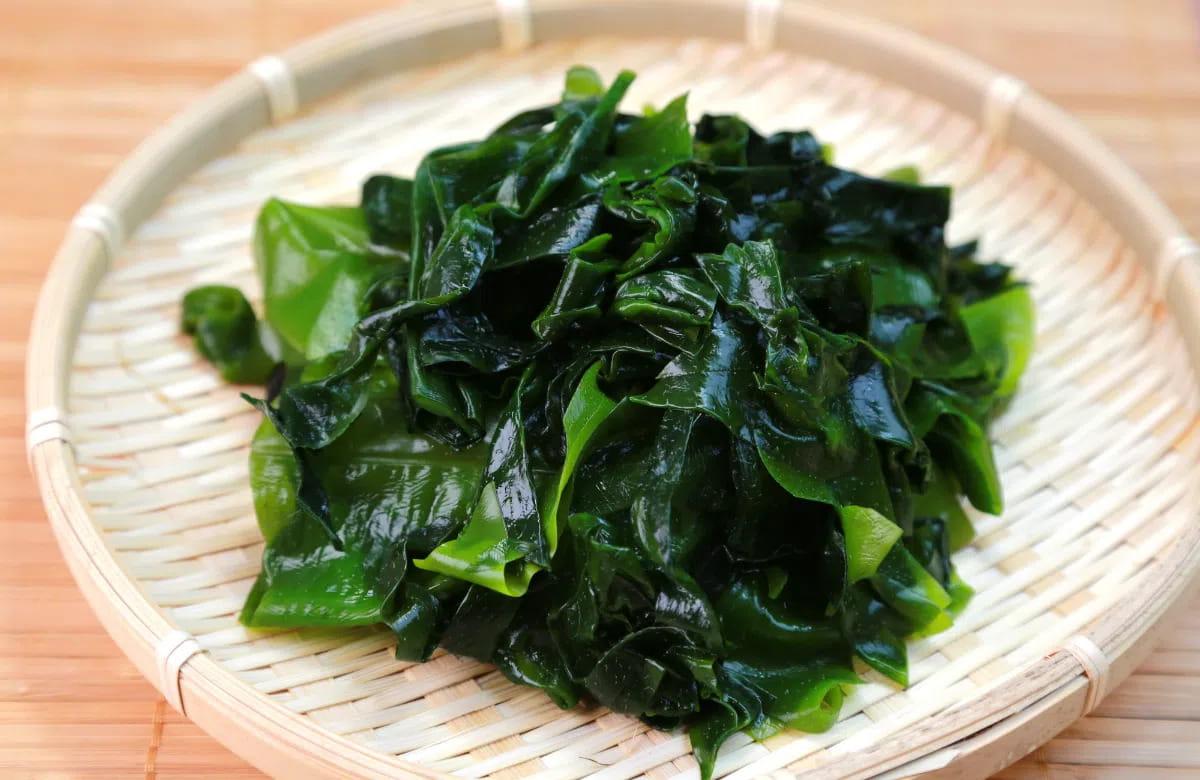
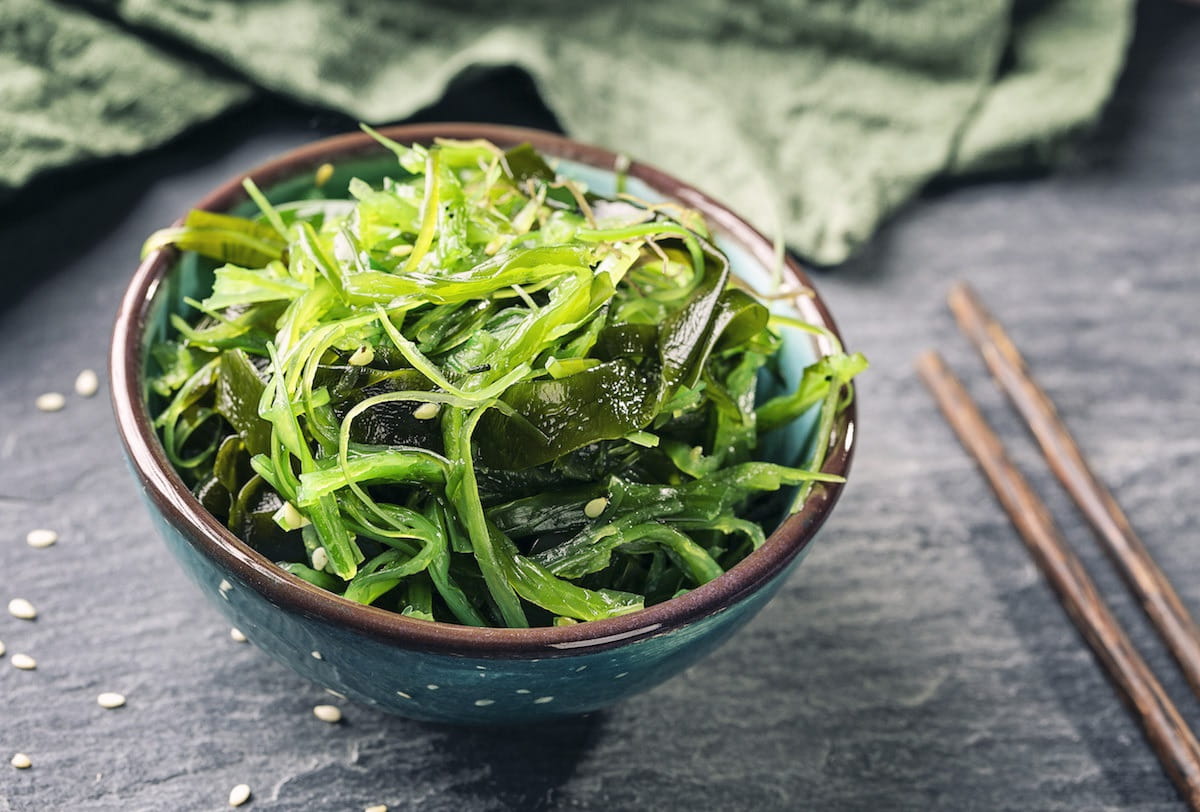
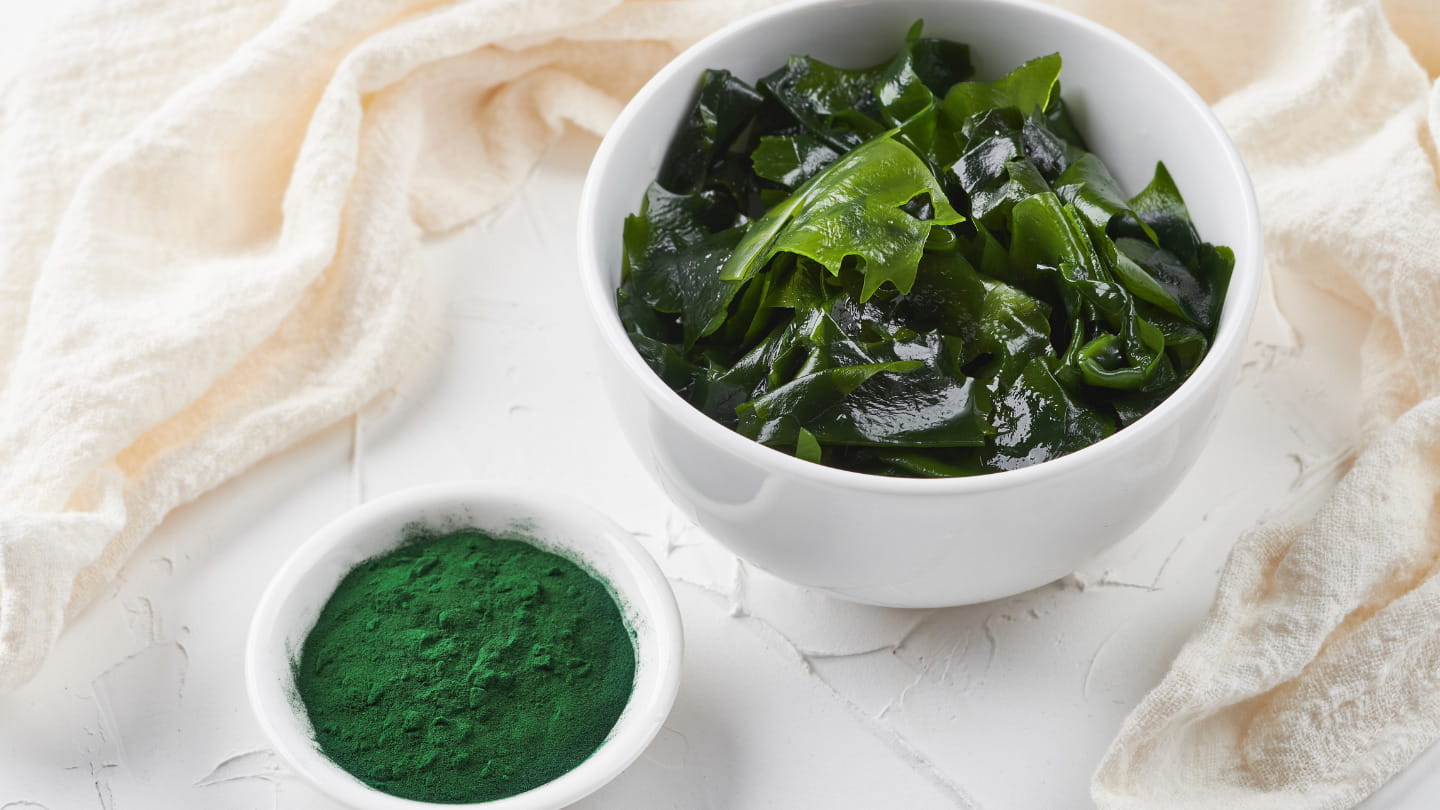
Seaweed is the common name for species of multicellular algae that live in saltwater or brackish water. They usually attach to rocks or underwater objects using a special holdfast instead of roots like land plants. Seaweed comes in many different colors, commonly green, brown, and red. Some species can grow tens of meters long, creating "seaweed forests" underwater, which play an important role in the ecosystem. Besides that, seaweed is used by humans as food, ingredients for cosmetics, fertilizer, and many other applications, especially in Asian countries.

Seaweed is part of a large group of algae, which includes both single-celled algae (microalgae) and multicellular algae. The table below will help you easily distinguish between seaweed and other forms of algae:

Criteria

Seaweed

Other Algae

Appearance & Structure

Typically multicellular and visible to the naked eye. Often plant-like in form, appearing as long strands, flat sheets, or thin leafy structures.

Can be unicellular or multicellular. Many species appear only as tiny green specks or thin films floating on the water, with no distinct shape.

Color

Most commonly dark green, brown, or red (corresponding to edible seaweed groups).

Highly diverse: green, blue-green, yellow-brown, red, sometimes turmeric-yellow or nearly transparent.

Habitat

Mainly attaches to rocks, coral reefs, or coastlines in saltwater environments. Rarely found in freshwater.

Found in oceans, rivers, lakes, brackish water, and even moist soil. Microalgae can float freely in the water.

Size

Easily visible; some species grow several meters long (e.g., Kombu, Wakame).

Microalgae are extremely small and require a microscope to be seen. Macroalgae are larger but still less diverse than seaweed.

Edibility

Most species are edible and widely used in Asian cuisine: soups, sushi, salads.

Not all are edible. Only certain species like Spirulina or Chlorella are consumed. Many others are not suitable for eating.

Practical Uses

Used in food, seaweed snacks, soups, salads; also in cosmetics and fertilizers.

Some varieties are used for supplements and nutrients; others are used for biofuel production, pharmaceuticals, and water treatment.

2. Common Types of Seaweed

Seaweed and freshwater algae are not only diverse in color and form but also bring many different culinary and nutritional uses. Each type has its own characteristics, suitable for different cooking methods and needs.

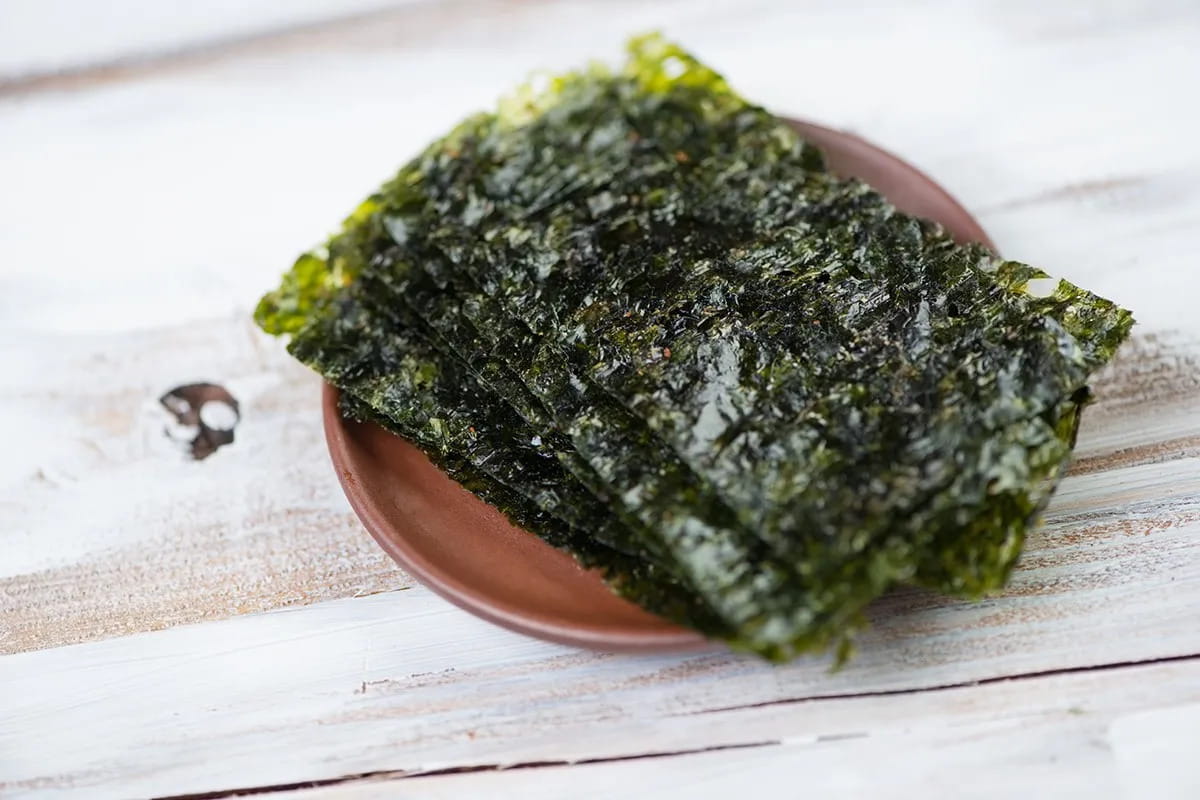
• Nori: Belongs to the red algae group, usually processed into dry sheets and commonly used to roll sushi or make other snacks.

• Kelp (Brown Algae): Often dried into sheets and added to dishes during cooking. Some types of kelp like Kombu and Arame are also used as gluten-free substitutes for wheat flour.

• Dulse: A type of red algae with a softer and chewier texture, often used to enhance flavor in dishes or eaten directly as a dry snack.

• Chlorella: Green algae living in freshwater, often used as a nutritional supplement powder.

• Agar and Carrageenan: Extracts from algae, used as binders and thickeners in many plant-based food products.

• Spirulina: Blue-green freshwater algae, can be consumed directly or processed into tablets, flakes, or powder. However, the structure of spirulina is different from other seaweeds.

Mỗi loại tảo có đặc điểm riêng

Each type of algae has its own characteristics, suitable for each processing method and usage needs (Source: Google)

3. Nutritional Value of Seaweed

Seaweed is one of the foods rich in minerals and trace elements, with nutritional content often higher than most other foods. Therefore, many people call seaweed the "vegetable of the sea."

The nutritional content can vary depending on where the seaweed lives. According to the study “Seaweeds as a Functional Ingredient for a Healthy Diet” by Rocío Peñalver, an average of 100 grams of seaweed may contain:

• Calories: 45

• Carbs: 10 grams

• Protein: 2 grams

• Fat: 1 gram

• Fiber: 14 – 35% RDI (Reference Daily Intake)

• Magnesium: 27 – 180% RDI

• Vitamin K: 7 – 80% RDI

• Manganese: 10 – 70% RDI

• Iodine: 1 – 65% RDI

• Sodium: 10 – 70% RDI

• Calcium: 15 – 60% RDI

• Folate: 45 – 50% RDI

• Potassium: 1 – 45% RDI

• Iron: 3 – 20% RDI

• Copper: 6 – 15% RDI

Additionally, seaweed provides Omega-3 and Omega-6 fatty acids, vitamins A, C, E, B vitamins, phosphorus, and choline. Dried algae are often more nutritious than fresh seaweed. Just about 8 grams of dried algae can provide most of the nutrients listed above. Meanwhile, Spirulina and Chlorella have double the protein content and contain all essential amino acids.

Some studies also show that seaweed is a plant source rich in Vitamin B12, usually found in meat and dairy. It is also rich in antioxidants and sulfated polysaccharides (sPS), which are beneficial plant compounds.

Rong biển giàu khoáng chất

Seaweed is one of the foods rich in minerals and trace elements (Source: Google)

4. Health Benefits of Seaweed

4.1. Supports Thyroid Function

The thyroid gland plays an important role in the body, especially in regulating metabolism. To function normally, the thyroid needs a certain amount of iodine, and most seaweeds contain natural iodine. A lack of iodine in the diet can lead to hypothyroidism, causing symptoms like dry skin, numbness in hands and feet, forgetfulness, depression, and uncontrolled weight gain.

Adding seaweed to daily meals is a simple way to help the body get enough iodine, thereby supporting the thyroid to work effectively. On average, the iodine requirement for adults is about 150 micrograms per day, and just a small amount of seaweed can meet this need.

4.2. Seaweed Supports Heart Health

Seaweed is a food source rich in nutrients beneficial for the heart. For beginners, seaweed provides soluble fiber and long-chain omega-3 fatty acids; both contribute to maintaining stable heart health.

Also, studies show that sulfated polysaccharides (sPS) in seaweed can help lower blood pressure and prevent blood clotting, while also helping to reduce bad LDL cholesterol levels and total cholesterol in the body. Supplementing seaweed regularly in the diet can be a natural and effective way to protect the heart.

4.3. Seaweed Helps Stabilize Blood Sugar

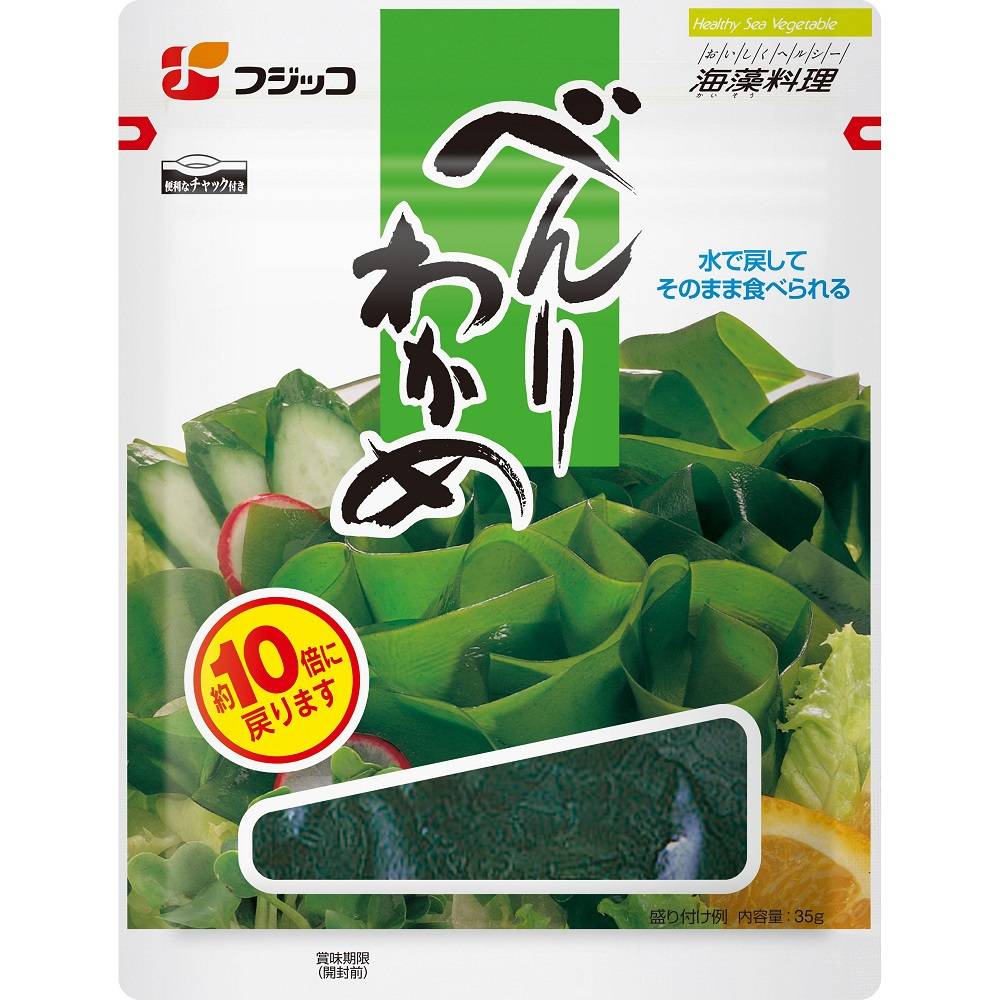
Adding seaweed to the diet can reduce the risk of developing diabetes and support blood sugar control. Many studies indicate that some natural compounds in seaweed play an important role in stabilizing blood sugar levels and preventing type 2 diabetes. One of the typical compounds is fucoxanthin, an antioxidant characteristic of brown algae, which has the ability to reduce insulin resistance and maintain stable blood sugar. You can refer to the product Fujicco Dried Seaweed (35g) at Annam Gourmet – it can be easily added to soups, salads, or daily dishes to utilize the benefits of seaweed.

Besides that, the fiber content in seaweed helps slow down the absorption of carbohydrates, helping the body control blood sugar levels more effectively. In a study with type 2 diabetes patients, those who used seaweed powder daily for 4 weeks showed a 15–20% reduction in blood sugar levels compared to the group using a placebo, proving the potential effectiveness of seaweed in controlling blood sugar.

Rong biển khô Benri Wakame hiệu Fujicco 35g

Fujicco Dried Seaweed (35g) helps stabilize blood sugar levels

4.4. Seaweed Supports Weight Loss

Regularly adding seaweed to the diet can help support the weight loss process. Research shows that seaweed affects the hormone leptin, a hormone that regulates appetite and weight. Combined with abundant fiber content, seaweed helps you reduce feelings of hunger and increases the feeling of fullness for longer.

Additionally, the compound fucoidan – a form of sulfated polysaccharides (sPS) in seaweed – is proven to enhance fat breakdown and prevent the formation of excess fat. This ingredient is present in Alvins Organic Roasted Seaweed Alvins (15g) products, which not only have a delicious taste but also help you control weight effectively.

In studies “The effects of Xanthigen in the weight management of obese premenopausal women with non-alcoholic fatty liver disease and normal liver fat” of Abidov M in 2010, with obese people, those who used seaweed daily for 12–16 weeks lost an average of about 4.5 kg compared to the placebo group. 

Moreover, seaweed is low in calories but rich in glutamate, an amino acid that brings a natural savory taste, so snacks made from seaweed can be a healthy alternative choice, satisfying your taste buds while effectively supporting weight loss.

Rong biển hữu cơ tách muối Alvins (15g)

Alvins Organic Roasted Seaweed Alvins (15g) has the ability to effectively lose weight

4.5. Seaweed Helps Boost the Immune System

Seaweed can play an important role in protecting the body from infections. This is thanks to marine plant compounds in seaweed, which are known for antioxidant and anti-allergic properties and the ability to support the immune system to fight disease.

Some studies indicate that these compounds have the ability to block the entry of viruses, including the herpes virus and HIV, into body cells. In a study with HIV-positive women, supplementing 5 grams of spirulina per day showed that these subjects developed disease-related symptoms 27% less than the placebo group.

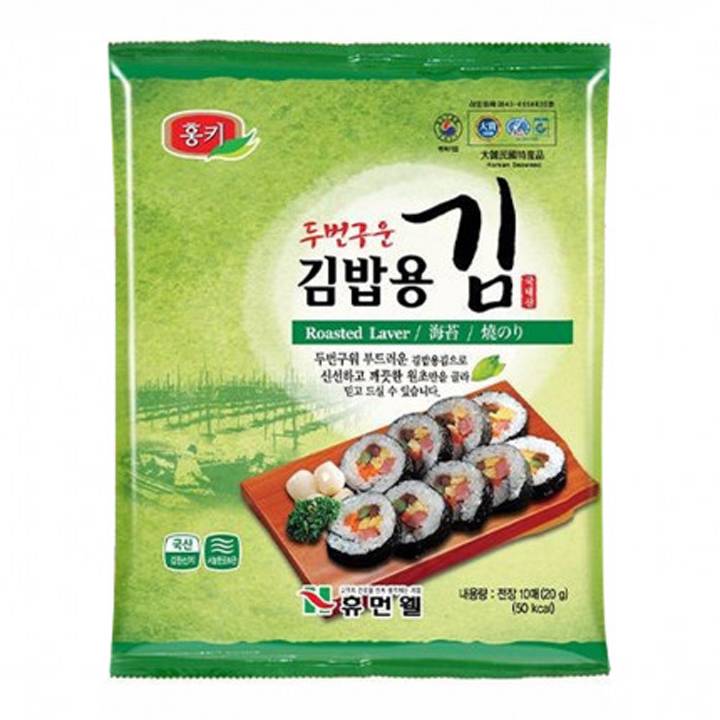
Adding types of seaweed like salt-free seaweed and Humanwell Roasted Laver (20g) to the daily diet not only helps provide nutrients but also contributes to boosting the immune system, supporting the body to fight against disease-causing agents.

Rong Biển Gimbab hiệu Humanwell 20g

Humanwell Roasted Laver (20g) helps strengthen the immune system effectively

4.6. Seaweed Supports Gut Health

Seaweed can help improve the digestive system and gut health thanks to its high fiber content. This fiber not only helps prevent constipation but also ensures digestion happens smoothly.

Furthermore, seaweed contains compounds like agar, carrageenan, and fucoidan, acting as prebiotics (non-digestible fiber), helping to feed beneficial bacteria in the gut. Research shows that seaweed supplements can increase the number of healthy bacteria and reduce harmful bacteria much more effectively than common prebiotics.

Prebiotics from seaweed also have anti-inflammatory and antibacterial abilities. When digested, they help gut bacteria produce butyrate, a short-chain fatty acid with anti-inflammatory effects inside the colon. Some prebiotics in seaweed can also prevent harmful bacteria like H. pylori from sticking to the gut wall, thereby helping to reduce the risk of stomach ulcers and improve overall digestive health.

4.7. Seaweed May Reduce Cancer Risk

Seaweed has been researched and proven to have the potential to reduce some cancer risks. For example, some studies show that seaweed can help reduce estrogen levels, thereby lowering the risk of developing breast cancer in women. At the same time, the soluble fiber content in seaweed also plays a protective role, helping to reduce the risk of colon cancer.

Additionally, characteristic compounds in brown seaweeds like kelp, wakame, and kombu are believed to have the ability to stop the spread of metastatic cancer cells, supporting the body to fight tumor growth.

However, currently, there are still quite few direct studies on the impact of seaweed on cancer patients. Using seaweed at too high a dosage can also cause some risks, especially the risk of affecting the thyroid, so reasonable dosage should be considered when adding it to the diet.

Rong biển có tiềm năng giảm ung thư

Seaweed has been shown to have the potential to reduce the risk of certain cancers. (Source: Google)

4.8. Other Potential Benefits of Seaweed

Besides the benefits that have been researched, seaweed brings some other potential effects beneficial for health:

• Supports prevention of metabolic syndrome: Thanks to the ability to help with weight loss, regulate blood pressure, stabilize blood sugar, and reduce cholesterol, seaweed can contribute to reducing the risk of developing metabolic syndrome.

• Protects the skin: Compounds in seaweed can help protect the skin against the harmful effects of UVB rays, while also supporting the prevention of wrinkles, sun spots, and signs of premature aging.

• Supports bone health and reduces inflammation: Thanks to antioxidant and anti-inflammatory properties, seaweed can help reduce the risk of rheumatoid arthritis and osteoporosis, especially useful for women.

5. Important Notes When Eating Seaweed

Before adding seaweed to your daily diet, you should note some principles to ensure safety and maximize health benefits.

• Caution with medical conditions: People with thyroid problems or digestive issues should limit eating dried seaweed, or consult a doctor to determine the appropriate dosage before use.

• Choose quality products: You should buy dried seaweed with the most recent production date to ensure nutrition and freshness.

• Eat in moderate amounts: Do not consume too much dried seaweed; similarly, Oishi-style snacks should also be used in moderation.

• Avoid cooking with certain foods: Do not cook seaweed with cheese, sausages, egg yolks, or wheat, as it can affect the flavor and nutrient absorption.

• Do not eat with foods that easily cause precipitation: Avoid combining seaweed with pickled fruits, tea, or persimmons, because they can form an indigestible mixture, reducing digestive efficiency.

• Preserving seaweed: For dried seaweed, keep it in a sealed container, in a dry and cool place, avoiding direct sunlight and high humidity to maintain quality and nutritional value. For fresh seaweed, keep it in the refrigerator, preferably in the cooler compartment, use within a few days, and cover tightly or wrap with food film to keep freshness longer.

Những lưu ý cần biết khi ăn rong biển

Things to know when eating seaweed (Source: Google)

6. Frequently Asked Questions About Seaweed

6.1 Who should not eat seaweed?

• People with thyroid problems: Seaweed contains high iodine content; eating too much can make hyperthyroidism or hypothyroidism more severe.

• People with sensitive digestive systems: Seaweed is rich in fiber, which can cause diarrhea or discomfort in people prone to digestive disorders.

• People allergic to seafood: Seaweed is a sea food; those allergic to seafood should be cautious to avoid allergic reactions.

• People needing to control salt/potassium: Some types of dried seaweed contain high sodium and potassium, not suitable for people with kidney disease or those who need to limit salt/potassium.

6.2 Is it good to eat seaweed every day?

Eating seaweed every day is not recommended, especially if eaten in large amounts or frequently. The high iodine content in seaweed can cause thyroid dysfunction, and minerals like arsenic and cadmium from the marine environment, if accumulated over a long time, can also affect health. Additionally, seaweed snack products containing a lot of salt can increase blood pressure if used too often. Therefore, eating seaweed moderately, a few times per week, will bring benefits while still ensuring safety.

6.3 What foods does seaweed clash with?

• Pickled fruits, persimmons, sour foods, tea: Eating with seaweed can create indigestible compounds, reducing digestive efficiency.

• Cheese, sausages, egg yolks, red meat: When processed together with seaweed, it can overload digestion and reduce nutrient absorption.

• People with underlying conditions (thyroid, kidney, weak digestion): Need to limit or ask a doctor’s opinion before eating, to avoid affecting iodine, salt, potassium, and fiber levels.

In general, the effects of seaweed on health are very diverse, from supporting the thyroid, stabilizing blood sugar, improving heart health, to boosting immunity and gut health. Besides that, seaweed helps reduce cancer risk, supports weight loss, and protects the skin, becoming an excellent nutritional choice in the daily diet. If you want to supplement quality seaweed, ensuring nutrition, please refer to the products at Annam Gourmet – a reputable source of fresh and nutrient-rich ingredients.

Contact Information - Annam Gourmet 

• Website: https://shop.annam-gourmet.com/ 

• Hotline: 1900 636431

• Email: [email protected]

References: P Rahmadi (2010) History, Nutrition, and Advantages of Seaweed for Human Body