keto-diet

In recent years, the Ketogenic Diet - commonly known as Keto - has emerged as one of the most researched and widely adopted nutritional approaches worldwide. By significantly reducing carbohydrate intake and increasing healthy fats, Keto transitions the body into a metabolic state called ketosis, where fat becomes the primary source of energy instead of glucose. This process not only supports rapid weight loss and stabilizes blood sugar levels but also promotes cardiovascular and cognitive health. In this article, Annam Gourmet takes a closer look at the fundamentals of the Keto diet, its key variations, scientifically proven benefits and potential risks, along with a structured 4-week Keto meal plan - helping you embark on a journey toward balance, vitality, and mindful living in the most sustainable way.

1. What is the Keto diet?

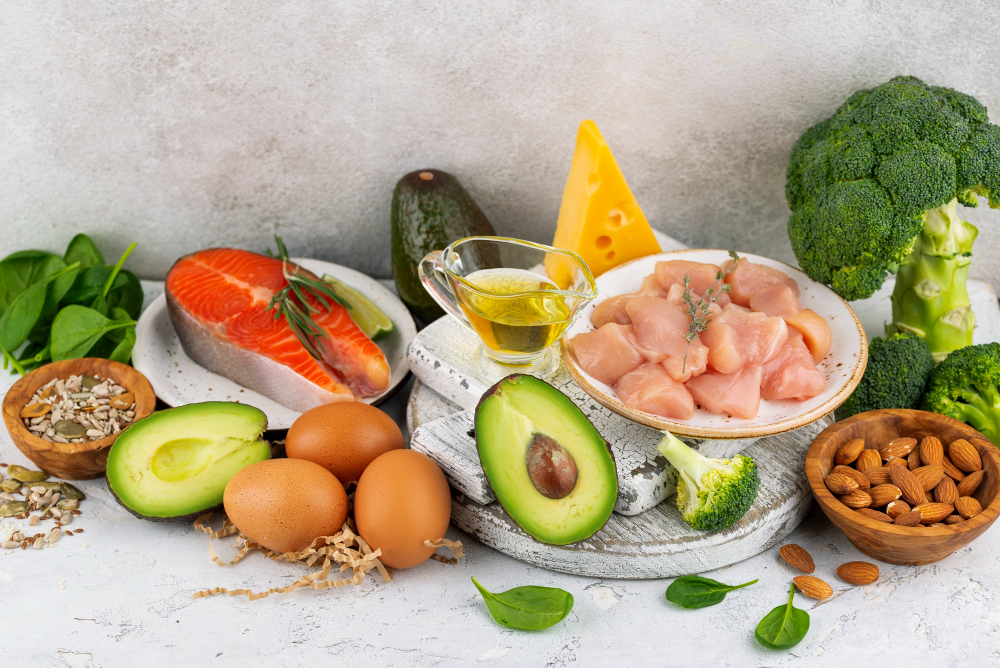
The Ketogenic Diet, commonly known as Keto, is a nutritional approach characterized by low carbohydrate intake, high fat consumption, and moderate protein levels. When carbohydrate intake is restricted, the body shifts from using glucose (sugar) as its primary fuel source to producing ketones-molecules derived from fat metabolism-to sustain energy. This metabolic state is known as ketosis.

According to the Harvard T.H. Chan School of Public Health (2024), once the body achieves stable ketosis, fat becomes the dominant energy source, helping reduce visceral fat accumulation, stabilize blood sugar levels, and enhance cognitive focus. The key metabolic mechanisms of the Keto diet include:

• Reducing blood glucose and insulin levels: Lower carbohydrate intake minimizes insulin response, helping prevent or manage Type 2 diabetes.

• Enhancing fat oxidation: In the absence of glucose, the liver converts fatty acids into ketones, which serve as energy for both the brain and muscles.

• Improving cellular metabolism: Ketones generate “cleaner” energy, reducing oxidative stress and intracellular inflammation.

Originally developed in the 1920s as a clinical treatment for drug resistant epilepsy in children, the Ketogenic Diet has since gained recognition for its potential benefits in weight management, metabolic health, Alzheimer’s disease, and Type 2 diabetes (National Library of Medicine, 2023).

Today, Keto is not only applied in clinical nutrition but also embraced as part of modern wellness lifestyles and fitness-focused eating patterns, offering a science-backed approach to achieving metabolic balance and sustained vitality.

the-ketogenic-diet-commonly-known-as-keto-is-a-nutritional-approach-characterized-by-low-carbohydrate-intake

The Ketogenic Diet, commonly known as Keto, is a nutritional approach characterized by low carbohydrate intake

2. Main types of the Ketogenic diet

Depending on individual health goals, activity levels, and metabolic response, the Ketogenic Diet can be categorized into several variations. Below are the four most recognized models, widely adopted and endorsed by nutrition experts.

2.1. Standard Ketogenic diet (SKD) - The most common form

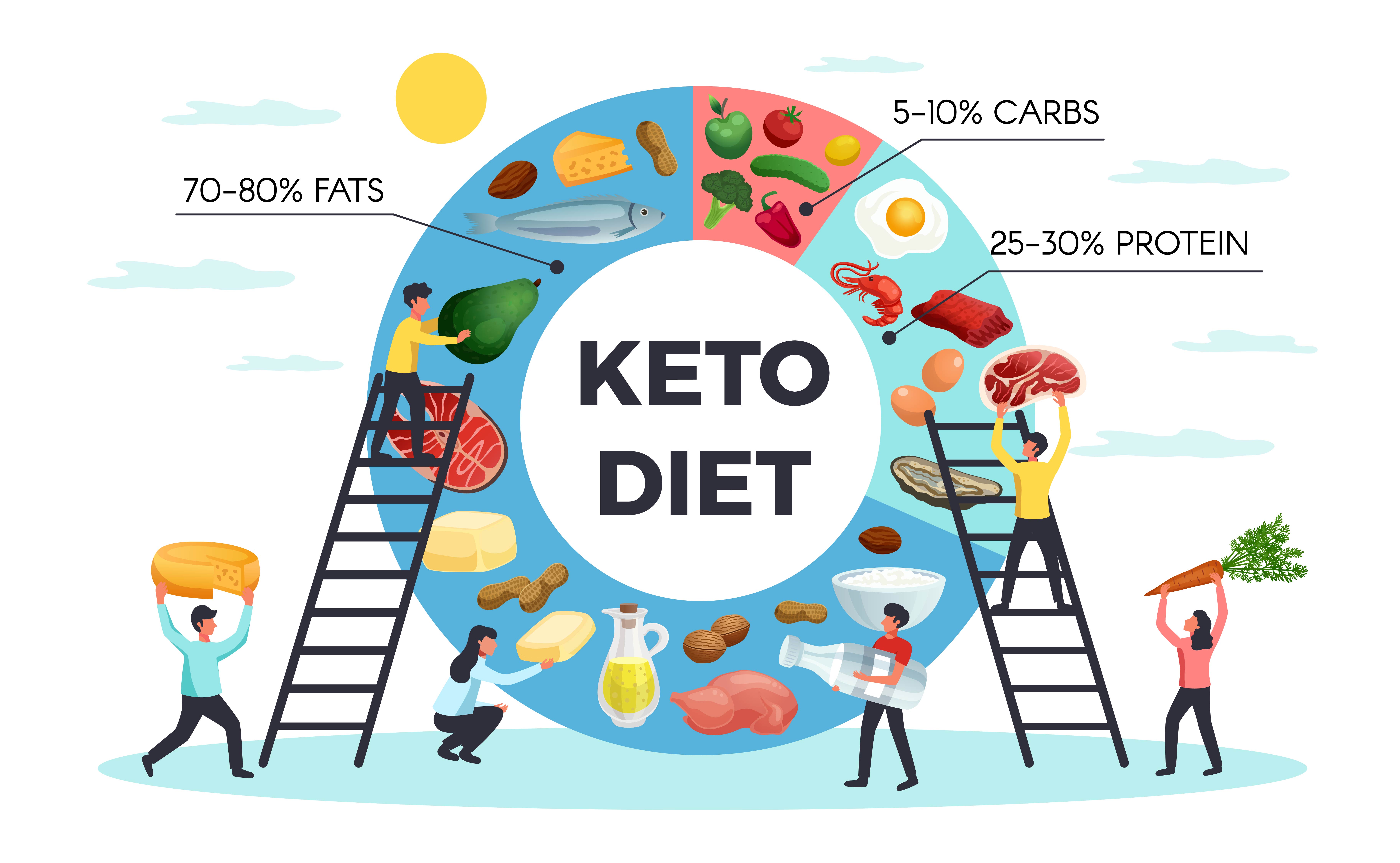
The Standard Ketogenic Diet (SKD) is the classic and most widely practiced version of Keto, often recommended for beginners or those aiming for weight loss. Its typical macronutrient distribution is:

70-80% fats

25-30% protein

5-10% carbohydrates

In this model, daily carbohydrate intake is restricted to under 50 grams, encouraging the body to rely primarily on healthy fat sources such as olive oil, avocados, fatty fish, almonds, and natural cheeses.

According to Harvard Health Publishing (2024), following the SKD for 8-12 weeks can lead to an average 2-4% reduction in body fat, while also improving triglyceride and HDL cholesterol levels-two key indicators of cardiovascular health.

skd-for-8-12-weeks-can-lead-to-an-average-2-4-%-reduction-in-body-fat

SKD for 8-12 weeks can lead to an average 2-4% reduction in body fat

 2.2.  Cyclical Ketogenic diet (CKD) - Designed for athletes

The Cyclical Ketogenic Diet (CKD) is tailored for athletes and individuals engaged in high-intensity training, aiming to balance ketosis maintenance with glycogen replenishment for muscle recovery. A typical CKD cycle includes:

5 days of strict ketogenic eating

2 “refeed” days, where carbohydrate intake increases to 100-150 g/day

According to the Journal of the International Society of Sports Nutrition (2022), this cyclical approach allows the body to replenish glycogen stores more efficiently and reduce fatigue associated with prolonged carbohydrate restriction, while preserving the fat-loss benefits of the ketogenic state.

 2.3. High-protein Ketogenic diet (HPKD)

The High-Protein Ketogenic Diet (HPKD) is a modified version suitable for strength trainers, bodybuilders, or individuals seeking to maintain lean muscle mass while reducing fat. The recommended macronutrient ratio is:

60-65% fats

30% protein

5-10% carbohydrates

Protein sources typically include lean meats, salmon, eggs, tofu, and low-fat dairy, which enhance satiety, stabilize energy levels, and support muscle tissue repair.

Research published in Frontiers in Nutrition (2023) found that HPKD participants retained up to 20% more lean body mass compared to those on a standard ketogenic diet under equivalent caloric conditions.

2.4. Targeted Ketogenic diet (TKD) - For specialized medical and performance applications

The Targeted Ketogenic Diet (TKD) is the most flexible variant, allowing for a small, controlled intake of carbohydrates (20-40g) before or after exercise to boost performance and accelerate recovery.

According to the American Journal of Clinical Nutrition (2021), such strategic carbohydrate supplementation does not disrupt ketosis, but enhances endurance capacity and muscle recovery rates.

TKD is commonly recommended for individuals involved in high-intensity training, new Keto adopters, or those with unstable energy metabolism who require gradual adaptation to the ketogenic process.

the-targeted-ketogenic-diet-tkd-is-the-most-flexible-variant

The Targeted Ketogenic Diet (TKD) is the most flexible variant

3. Key considerations in the ketogenic diet

While the Ketogenic Diet offers notable benefits for energy metabolism and weight management, the quality and selection of food sources play a crucial role in achieving both safety and long-term sustainability.

Nutrition experts (Harvard Health Publishing, 2024; Mayo Clinic, 2023) recommend prioritizing healthy fats, clean proteins, and natural fiber, while limiting refined foods and hidden carbohydrates that can disrupt ketosis.

3.1. Recommended food groups

The following Keto-friendly food categories are characterized by their low glycemic index, which helps maintain stable ketosis while supplying essential micronutrients without promoting fat storage.

Healthy fats

• Cold-pressed oils: Extra virgin olive oil, cold-pressed coconut oil, avocado oil.

• Whole-food fats: Avocados, walnuts, almonds, chia seeds, flaxseeds.

• Fatty fish: Salmon, mackerel, and herring - excellent sources of omega-3 fatty acids that support cardiovascular health.

High-quality protein sources

• Animal-based: Grass-fed beef, free-range chicken, and pasture-raised pork.

• Dairy and eggs: Free-range eggs, low-carb cheese, and unsweetened nut-based milk.

• Plant-based: Tofu, tempeh, and minimally processed plant protein alternatives.

Low-starch vegetables

• Cruciferous and leafy greens: Kale, cauliflower, broccoli, zucchini, spinach.

• Other vegetables: Cucumber, lettuce, asparagus, mushrooms, and bell peppers.

Keto-friendly flours and sweeteners

Instead of using refined flour or sugar, individuals following a Ketogenic Diet are encouraged to select ultra-low-carb ingredients that preserve flavor while maintaining ketosis. Notable examples include:

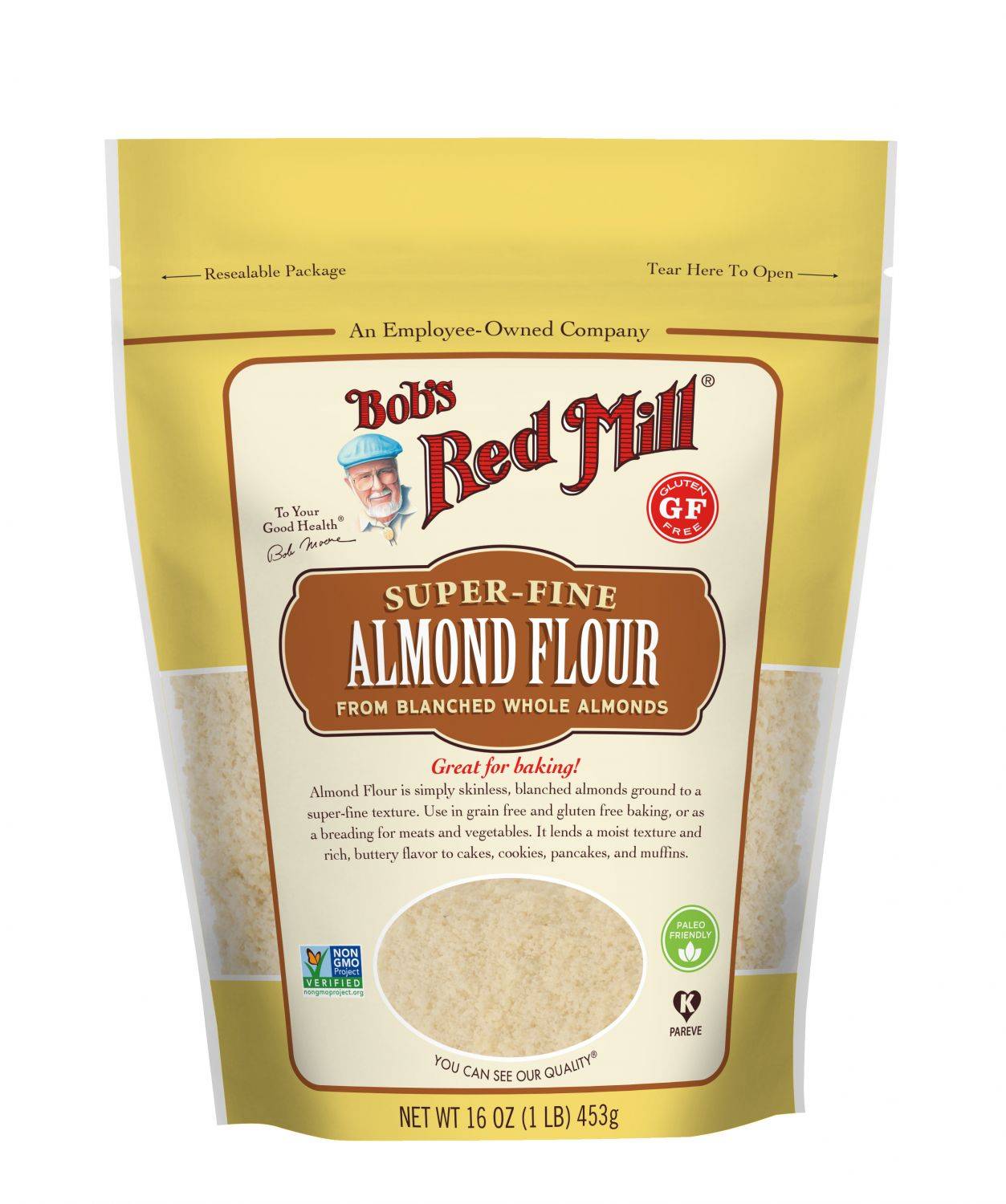
Bob’s Red Mill Gluten-Free Almond Flour (453g): A protein-rich, vitamin E-dense almond flour ideal for Keto baking.

Bob’s Red Mill Organic Coconut Flour (453g): High in natural fiber with a subtle sweetness, enhancing satiety and digestive balance.

Dragon Erythritol Powder Zero Sugar (250g): A zero-calorie natural sweetener that does not affect blood glucose levels - safe for both Keto practitioners and diabetics.

These ingredients not only comply with strict Ketogenic guidelines but also add culinary versatility, allowing for the preparation of baked goods, pancakes, and smoothies that remain low in carbohydrates yet nutritionally balanced.

bob-red-mill-gluten-free-almond-flour-a-protein-rich-vitamin-e-dense-almond-flour-ideal-for-keto-baking

Bob's Red Mill Gluten-Free Almond Flour a protein-rich, vitamin E-dense almond flour ideal for Keto baking

3.2. Food groups to avoid

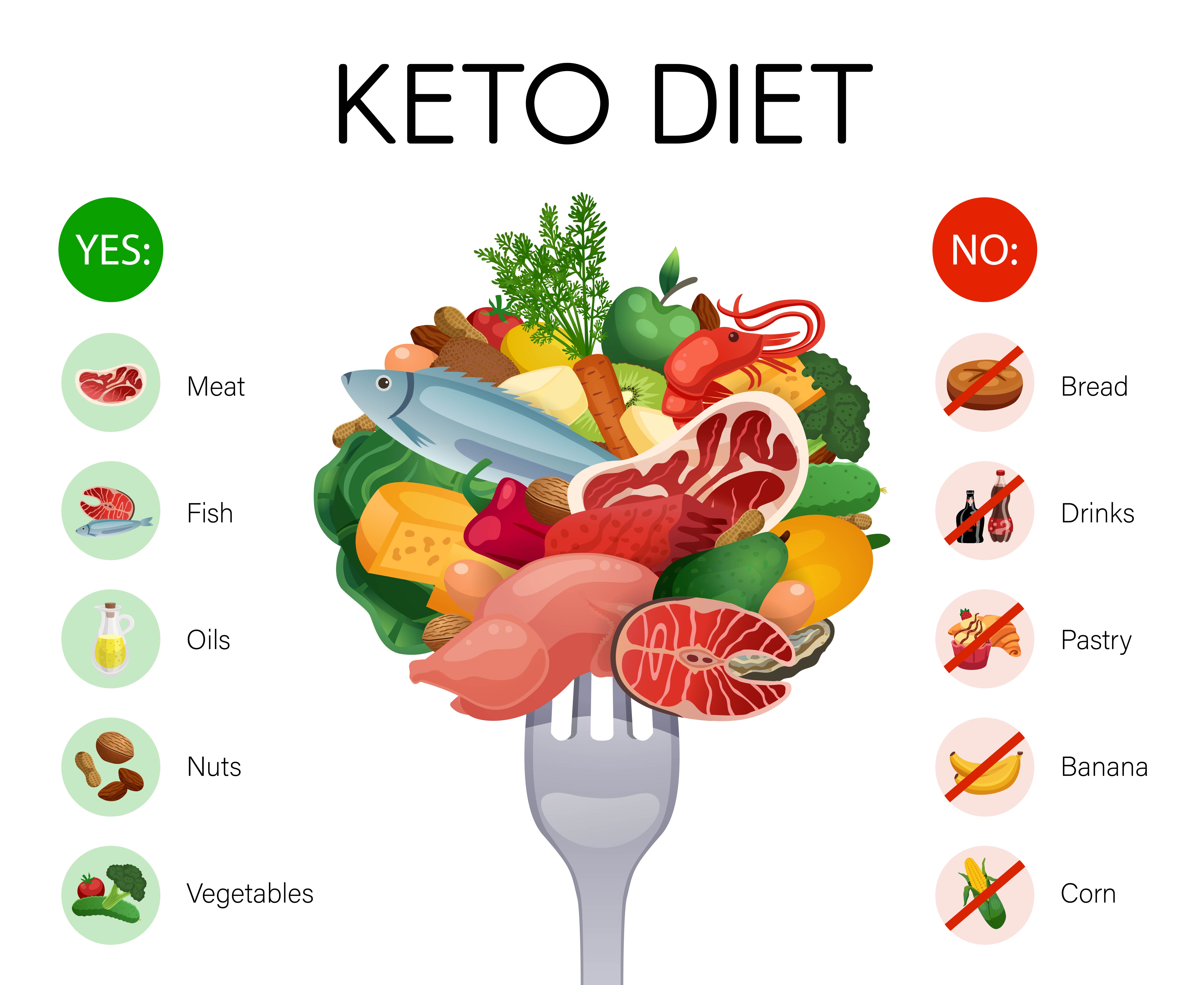
In a Ketogenic Diet, eliminating fast-absorbing carbohydrates is essential to sustain a stable state of ketosis. The following food categories should be strictly limited or completely avoided to ensure metabolic consistency and fat adaptation.

Refined sugars and artificial sweeteners: These ingredients cause sharp insulin spikes, disrupting ketone production and slowing down fat metabolism. Common examples include:

White and brown sugar, honey, corn syrup, and agave syrup.

Carbonated soft drinks, bottled fruit juices, bubble tea, candies, and industrially processed sweets.

Grains and starches: Foods high in carbohydrates inhibit ketosis and may trigger fat reaccumulation. Avoid:

Rice, pasta, bread, potatoes, oats, corn, and beans.

Breakfast cereals, crackers, and wheat-based snacks.

High-sugar fruits: Although naturally sweet, many fruits contain excess fructose that can quickly disrupt ketosis when consumed regularly. Limit or avoid: bananas, mangoes, grapes, durians, lychees, and longans.

Processed foods and industrial oils: Highly processed foods often contain trans fats, preservatives, and oxidized oils, which promote cellular inflammation and interfere with lipid metabolism. Avoid or minimize:

Refined vegetable oils (canola, soybean, sunflower).

Fast food, sausages, deep-fried dishes, and other ultra-processed items.

in-a-ketogenic-diet-eliminating-fast-absorbing-carbohydrates-is-essential-to-sustain-a-stable-state-of-ketosis

In a Ketogenic Diet, eliminating fast-absorbing carbohydrates is essential to sustain a stable state of ketosis

4. Benefits and risks of following keto

The Ketogenic Diet is not merely a passing trend but has been extensively studied in medical and clinical nutrition research. Its defining metabolic mechanism ketosis enables the body to shift from burning carbohydrates to utilizing fat as its primary energy source.

However, like any dietary regimen, Keto presents both significant benefits and potential risks that require informed understanding and careful monitoring.

Benefits:

• Effective and sustainable weight loss: Keto promotes rapid fat reduction within the first 2-4 weeks, driven by decreased insulin levels and enhanced lipid utilization.

• Improved blood sugar regulation and insulin sensitivity: By minimizing carbohydrate intake, the diet stabilizes postprandial glucose levels and supports better metabolic control in individuals with prediabetes or type 2 diabetes.

• Enhanced cognitive performance and mental clarity: Ketone bodies serve as a stable energy source for the brain, promoting sustained focus and reducing mental fatigue associated with fluctuating blood sugar.

• Cardiovascular benefits (when properly managed): Incorporating healthy fats such as omega-3s, MCTs, and monounsaturated fats can help increase HDL cholesterol, reduce triglycerides, and support overall heart function.

Risks and adverse effects:

• “Keto flu”: During the adaptation phase, individuals may experience fatigue, headaches, nausea, or dizziness as the body transitions to fat-based energy metabolism.

• Micronutrient and fiber deficiencies: Restricting fruits, grains, and starchy vegetables can lead to inadequate intake of vitamins, minerals, and fiber, potentially causing constipation or reduced immune function.

• Liver and kidney strain with prolonged use: High intake of fats and proteins increases metabolic load on the liver and kidneys, making Keto unsuitable for individuals with related pre-existing conditions.

• Not recommended for certain populations: Pregnant or breastfeeding women, as well as individuals with metabolic or endocrine disorders, should consult a healthcare professional before adopting the Keto diet.

the-ketogenic-diet-is-not-merey-a-passing-trend-but-has-been-extensively-studied-in-medical-and-clinical-nutrition-research

The Ketogenic Diet is not merely a passing trend but has been extensively studied in medical and clinical nutrition research

>> Learn more: What is detox? How to detox safely and effectively at home

5. How to start and maintain a safe keto diet

Transitioning to the Keto lifestyle should be done gradually, with careful planning and monitoring to avoid metabolic disturbances or electrolyte imbalance. If you're unsure where to begin, start with this curated 7-day Keto menu - thoughtfully balanced in nutrition and flavor, and designed to be simple, enjoyable, and effortless to recreate at home.

How to start:

• Reduce carbs gradually: Start by cutting carbs down to 50-100g per day, then lower to 20-50g as your body adjusts - this helps minimize fatigue and discomfort.

• Increase healthy fats: Incorporate olive oil, avocado, salmon, and chia seeds for sustained energy and better support of ketosis.

• Stay hydrated and replenish electrolytes: Drink 2.5-3 liters of water daily and slightly increase mineral intake (sodium, potassium, magnesium) to prevent dehydration and muscle cramps during the initial phase.

• Monitor your body’s response: Use ketone test strips or meters to ensure you stay within a safe ketosis range without overdoing it.

How to maintain keto long-term:

• Practice “refeed” cycles wisely: After 4-6 weeks of strict Keto, you may introduce small amounts of clean carbs (like oats or sweet potatoes) 1-2 days per week to help balance hormones.

• Keep meals diverse: Combine leafy greens, nuts, organic eggs, and fatty fish to maintain nutrient variety.

• Choose natural, minimally processed foods: Opt for organic ingredients with no hidden sugars - such as almond flour, coconut flour, or erythritol - all conveniently available at Annam Gourmet.

7-day keto meal plan (4 weeks): At Health Lab by Annam Gourmet, you can fully explore the 4-meal daily menu, scientifically designed and nutritionally balanced.

Each meal plan comes with:

Detailed ingredient list

Clear cooking instructions

Nutritional value information for each portion

>> See details: Annam Gourmet's Keto menu, ensuring the criteria of "low carb - rich in nutrients - clean and safe".

Effective Keto meal plan - Week 1

Day

Breakfast

Lunch

Dinner

Mon

Butter-fried eggs, avocado slices

Pan-seared chicken breast + olive oil salad

Grilled salmon + steamed broccoli

Tue

Coconut-chia smoothie

Stir-fried beef with asparagus

Boiled eggs + low-carb cheese

Wed

Almond flour Keto pancake

Tuna salad

Braised pork with mushrooms

Thu

Almond milk + walnuts

Seared duck breast + spinach

Zucchini soup + mackerel

Fri

Cheese omelet

Beef steak + mixed salad

Garlic butter grilled chicken

Sat

Black coffee + Keto muffin

Bacon + eggs

Steamed shrimp + sautéed veggies

Sun

Avocado-almond milk smoothie

Roast chicken + sesame oil salad

Creamy mushroom soup + seared basa fish

Effective Keto meal plan - Week 2

Day

Breakfast

Lunch

Dinner

Mon

Boiled eggs + avocado salad

Beef stew with celery

Pan-seared salmon + steamed asparagus

Tue

Greek yogurt + chia seeds

Butter garlic grilled chicken breast

Egg salad with olive oil

Wed

Coconut flour Keto waffle

Stir-fried shrimp with broccoli

Cheese-stuffed pork rolls

Thu

Almond-cocoa smoothie

Pan-fried chicken with mushrooms

Creamy lemon mackerel

Fri

Sunny-side eggs + cheese

Stir-fried beef with bell peppers

Low-carb pumpkin soup

Sat

Black coffee + almond cookie

Roast chicken + sautéed veggies

Garlic butter shrimp

Sun

Avocado smoothie + walnuts

Grilled pork + sesame salad

Steamed basa with ginger

Effective Keto meal plan - Week 3

Day

Breakfast

Lunch

Dinner

Mon

Keto pancake + black coffee

Grilled salmon + mashed avocado

Pan-fried chicken + spinach

Tue

Almond milk + flax seeds

Stir-fried beef with broccoli

Creamy mushroom soup + boiled eggs

Wed

Cheese omelet + avocado

Roast chicken + mixed salad

Butter-fried mackerel

Thu

Coconut-chia smoothie

Braised pork with shiitake mushrooms

Tuna salad

Fri

Sugar-free yogurt + berries

Seared duck breast

Beef steak + zucchini soup

Sat

Keto muffin

Steamed shrimp + sautéed veggies

Grilled chicken with cheese cream sauce

Sun

Avocado smoothie + almonds

Bacon + fried eggs

Grilled basa + mixed salad

Effective Keto meal plan - Week 4

Day

Breakfast

Lunch

Dinner

Mon

Sunny-side eggs + avocado

Stir-fried beef with asparagus

Grilled salmon + green salad

Tue

Cocoa-coconut smoothie

Roast chicken + mushrooms

Creamy broccoli soup

Wed

Almond flour Keto waffle

Pan-seared pork + steamed broccoli

Olive oil egg salad

Thu

Almond milk + walnuts

Garlic butter shrimp

Chicken stew with vegetables

Fri

Greek yogurt + chia seeds

Seared duck breast

Passionfruit mackerel

Sat

Black coffee + Keto cookie

Grilled beef + mixed salad

Creamy pumpkin soup

Sun

Avocado-almond milk smoothie

Grilled chicken + spinach

Pan-fried basa + sautéed vegetables


6. Comparing Keto with other low-carb diets

In modern nutrition, low-carbohydrate (low-carb) diets have become a popular approach for managing weight and improving metabolic health. Among these variations, the Ketogenic Diet (Keto) stands out for its unique mechanism - inducing a metabolic state called ketosis, where the body derives most of its energy from fat instead of glucose.
Understanding how Keto differs from other low-carb diets allows you to identify the similarities, differences in macronutrient ratios, goals, and long-term outcomes - helping you choose the approach that best fits your body and lifestyle.

Criteria

Keto (Ketogenic Diet)

Traditional Low-Carb Diet

Macronutrient ratio

70-75% fat, 20% protein, 5-10% carbs

40-50% fat, 30-40% protein, 20-30% carbs

Primary goal

Maintain ketosis - shift metabolism to burn fat for energy

Reduce total carb intake to stabilize blood sugar

Satiety level

Higher, as ketones provide sustained energy

Depends on protein and fiber intake

Best suited for

Those aiming for rapid weight loss, insulin control, or metabolic therapy

Those preferring gradual, sustainable weight loss without eliminating carbs entirely

Potential risks (if misapplied)

Micronutrient deficiencies, fatigue during adaptation, liver or kidney strain

Weight regain if carb intake increases too quickly

After understanding these differences, the choice between Keto and other low-carb diets ultimately depends on your goals, physiology, and ability to maintain the diet long term. There is no single “one-size-fits-all” formula - what matters most is listening to your body, understanding the metabolic mechanism, and applying each method mindfully and responsibly. You may consider Keto if:

Your goal is rapid fat loss, improved insulin sensitivity, or strict blood sugar control.

You are under medical supervision or working with a nutrition specialist.

You can maintain a high-fat, low-carb eating pattern consistently.

Conversely, a balanced low-carb diet may be a better choice if you prefer flexibility and long-term adherence.

the-ketogenic-diet-is-not-merely-a-fleeting-nutrition-trend

The Ketogenic Diet is not merely a fleeting nutrition trend

>> Learn more: Smooth & Refreshing Homemade Kombucha Recipe

The Ketogenic Diet is not merely a fleeting nutrition trend, but a clinically researched metabolic strategy proven effective in managing weight, type 2 diabetes, and metabolic syndrome. By reducing carbohydrate intake and increasing healthy fats, the body shifts into ketosis - using fat as its main energy source, thereby enhancing fat oxidation and stabilizing energy levels.

However, Keto is not a one-size-fits-all approach. Its effectiveness and safety depend on individual compliance, food quality, and overall health status. Beginners should seek guidance from a qualified nutrition professional, maintain electrolyte balance, and adopt a holistic lifestyle for sustainable results.

With its premium selection of clean, organic, and internationally certified ingredients, Annam Gourmet offers high-quality Keto-friendly options - from almond flour and coconut flour to natural fats and sugar-free products. These help you pursue Keto safely and sustainably, while elevating your wellness journey toward a cleaner, more balanced, and more mindful way of living.

Contact Information - Annam Gourmet

• Website: https://shop.annam-gourmet.com/ 

• Hotline: 1900 636431

• Email: [email protected]