how-to-preserve-pate

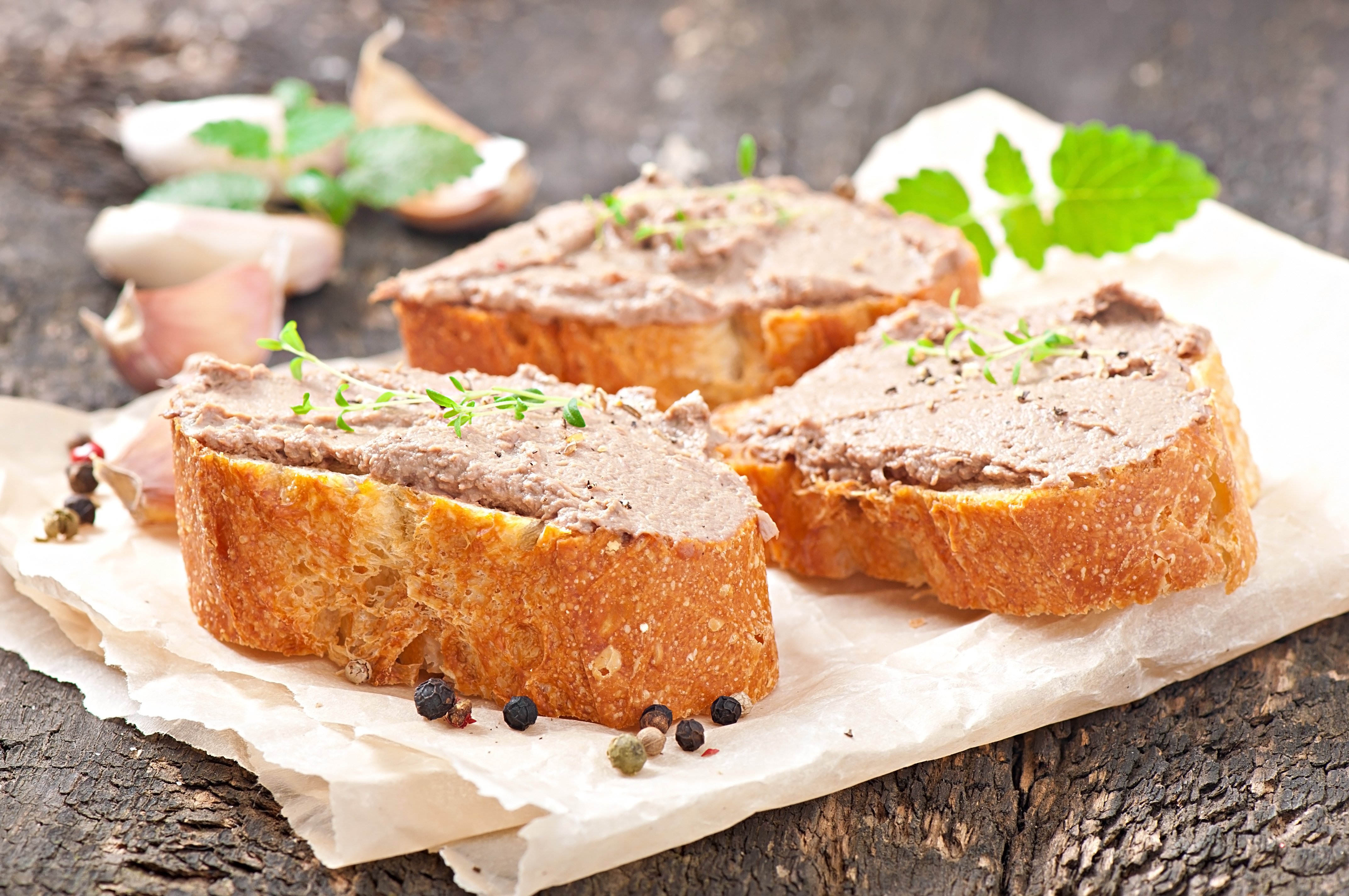
Pate is a beloved dish in French cuisine that has become popular worldwide, especially in Vietnam. However, to preserve its distinctive flavor and ensure food safety, proper pate storage is extremely important. In this article, Annam Gourmet will share the most effective pate preservation methods, from commercial pate to homemade pate storage, helping you enjoy delicious food that's safe for your health.

1. Proper pate Storage Methods

Pate comes in many varieties, from goose liver pate and duck liver pate to pork pate, and each type may require different storage methods depending on ingredients and preparation.

1.1. Storing pate in the Refrigerator

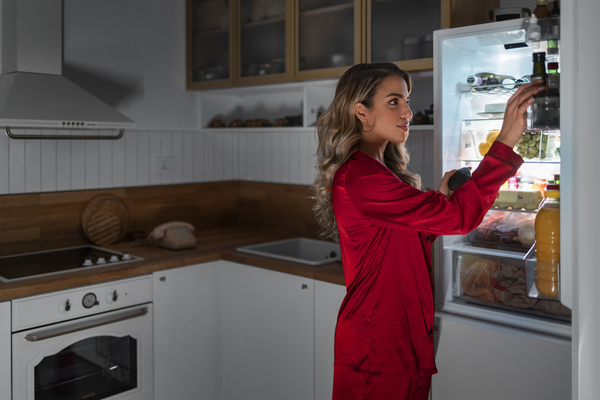
The refrigerator compartment is optimal for short-term pate storage at an ideal temperature of 0-4°C, preventing bacterial growth and maintaining flavor. Keep pate in an airtight container or wrap with plastic wrap, placing it on the bottom shelf or meat compartment to avoid air exposure and odor contamination. Fresh homemade pate can be stored for 3-5 days, while opened commercial pate can last 5-7 days when properly stored.

Important notes: regularly check your refrigerator temperature, store pate on the middle or lower shelf where temperature is most stable, minimize frequent opening and closing of the fridge, and use airtight containers to prevent surface drying and cross-contamination from other foods.

storing-pate-in-the-refrigerator

Storing pate in the refrigerator

1.2. Storing pate in the Freezer

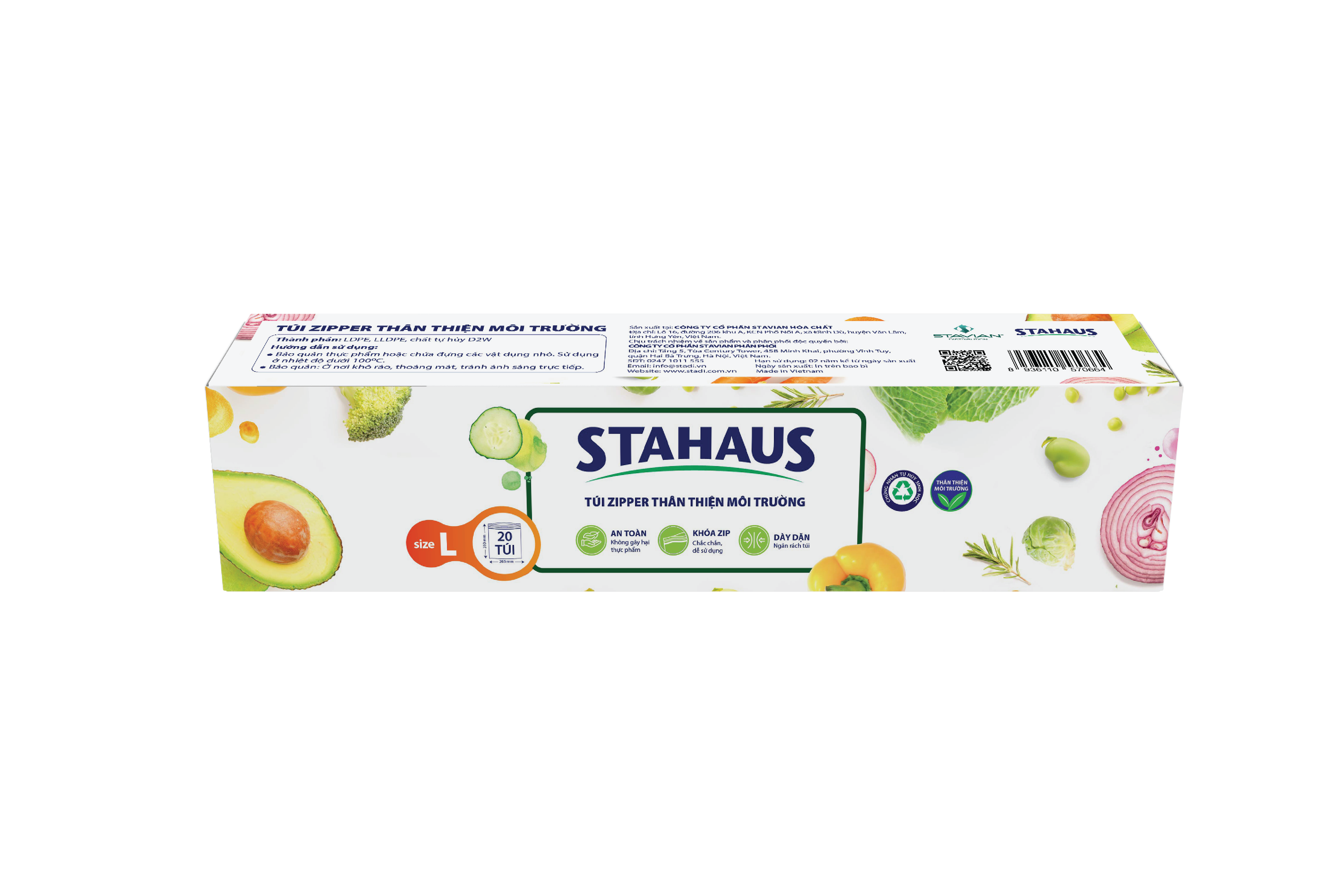
Freezer storage is optimal for keeping pate fresh for several months, especially suitable for homemade pate or bulk purchases. Divide pate into small portions suitable for single use, ensuring pate is completely cooled before freezing. Use specialized zip bags, remove all air, and wrap with aluminum foil to prevent oxidation. Clearly label with packing date, place deep in the freezer at -18°C or below, avoid stacking near the door to maintain stable temperature.

When thawing, transfer pate from freezer to refrigerator overnight instead of thawing at room temperature - this method preserves texture, flavor, and prevents bacterial growth. Never thaw and refreeze multiple times.

Storage duration: homemade pate 1-2 months, unopened commercial pate 3-4 months, opened pate maximum 1 month. Note that texture may be softer after thawing but flavor remains preserved.

using-specialized-zip-bags

Using specialized zip bags

1.3. Storing pate After Opening

Opened pate requires proper storage to prevent oxidation and bacterial contamination. Transfer pate to a glass or ceramic container with tight lid instead of leaving in tin can, smooth the surface with a clean spoon to reduce air contact, then immediately store in refrigerator at 0-4°C.

Safe usage time: 3-5 days for homemade pate, 5-7 days for commercial pate. A French culinary secret is creating a protective layer by drizzling olive oil or melted butter on the pate surface - this method effectively locks in moisture and preserves the characteristic rich flavor.

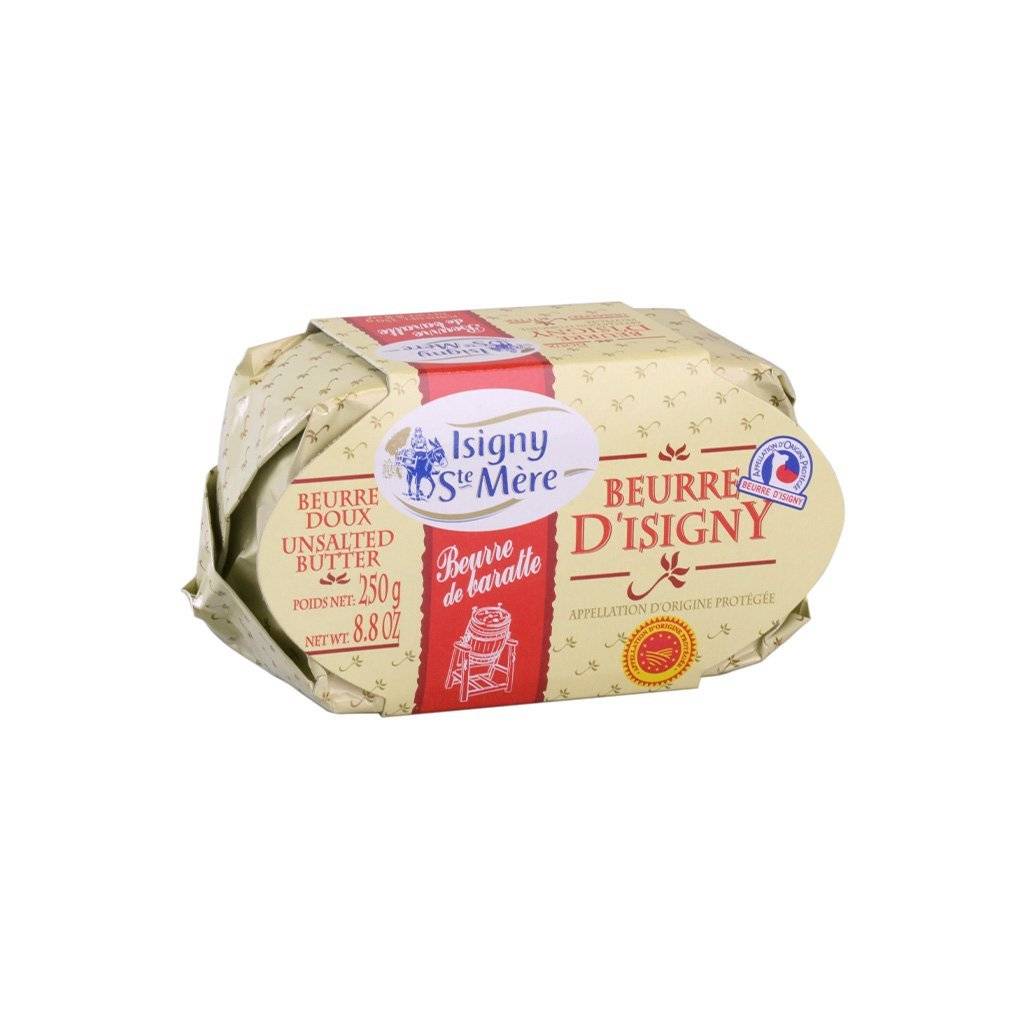
Isigny AOP Salted Butter from France is an excellent choice for this preservation method. Melt 2-3 tablespoons of butter, let it cool, then drizzle evenly over the pate surface. The solidified butter layer creates a natural protective barrier and adds a rich flavor that blends perfectly. Equally important is hygiene during use: always use clean spoons or knives when scooping pate, avoid letting used utensils touch the container again, don't scoop with hands, and refrigerate immediately after 15-20 minutes of use.

using-isigny-aop-salted-butter

Using Isigny AOP Salted Butter

1.4. Storing pate Without Refrigeration

Unopened canned pate that has undergone industrial heat treatment can be stored at room temperature for extended periods if kept in a dry place, away from direct light and high temperatures. Ideal temperature is below 25°C, away from stoves, ovens, or heat sources, always check expiration date before use. This method is suitable for stockpiling or carrying when traveling or picnicking.

For fresh or opened pate, storage without refrigeration is difficult and high-risk. If necessary, use insulated bags with dry ice or cooling gel packs, wrap pate tightly in airtight containers and maintain temperature below 8°C, store for maximum 2-4 hours only and use immediately.

Important note: pate is protein-rich so easily attacked by bacteria - if left out of refrigerator for over 2 hours at room temperature or over 1 hour when temperature exceeds 32°C, should discard to ensure health safety.

2. Why Proper pate Storage Is Necessary

Understanding why proper pate storage is necessary will help you store it safely and most effectively. Below are the most important reasons Annam Gourmet wants to share with you.

2.1. Ensuring Food Safety

Pate has high protein content and moisture, easily becoming an ideal environment for bacterial growth if improperly stored, especially Listeria monocytogenes (causing dangerous listeriosis for pregnant women, children, and immunocompromised individuals), Salmonella (causing food poisoning), E. coli, and Clostridium botulinum (producing extremely dangerous toxins). Since bacteria multiply rapidly in the "danger zone" of 5-60°C, storing pate below 4°C or keeping hot above 60°C when serving is extremely important to ensure safety.

2.2. Preserving Distinctive Flavor

Pate has complex flavors from liver, meat, spices, and sometimes wine or cognac, but easily oxidizes losing rich taste, evaporating herbal aromas, or absorbing strange odors from other foods if not properly stored. Storing pate in airtight containers at appropriate temperatures not only ensures safety but also helps maintain the complete distinctive flavor and premium culinary experience that Annam Gourmet always commits to bringing customers.

preserving-the-distinctive-flavor-of-pate

Preserving the distinctive flavor of pate

2.3. Maintaining Perfect Texture

Quality pate needs smooth texture, easy to spread, moist and silky with moderate thickness and even melting in the mouth. However, without attention to temperature and humidity, pate easily becomes dry, hard and cracked, separates water and oil layers, or freezes unevenly creating ice crystals that destroy the original smooth structure. Especially with homemade pate having delicate texture and more easily affected, proper storage is extremely important to preserve perfect texture and the results of your efforts.

2.4. Extending Usage Time

Premium French pate or homemade versions are expensive and labor-intensive to prepare, so proper storage maximizes usage time, reduces waste, and saves costs when buying in bulk. You can prepare ahead for parties, holidays, or always have quality pate ready to enjoy and serve guests anytime. Especially, freezer storage extends usage time up to 3-4 months, an excellent solution Annam Gourmet recommends when you buy premium imported pate at promotional prices.

2.5. Protecting Nutritional Value

Pate provides many valuable nutrients such as high-quality protein, vitamins A, B12, and B-complex vitamins, plus easily absorbed heme iron, zinc, and selenium beneficial for muscles, vision, immune system, nervous system, and blood formation. However, when improperly stored, vitamins sensitive to heat and light decompose, proteins denature, and nutritional value significantly decreases. Storage at low temperatures in airtight containers maintains maximum nutrients, ensuring you receive full health benefits from pate.

3. Factors Affecting pate Quality

To store pate most effectively, you need to understand which factors can affect product quality. In this section, Annam Gourmet will help you learn details about the most important factors you need to pay attention to:

Temperature: The decisive factor in pate safety. Temperature above 5°C causes rapid bacterial growth, fat oxidation causing foul odor, and protein decomposition. Store in refrigerator at 0–4°C (short-term) or freezer at -18°C or below (long-term), don't leave at room temperature over 2 hours.

Humidity: Directly affects pate texture. Low humidity makes pate dry and cracked; high humidity creates conditions for mold growth. Use airtight containers, wrap with plastic film, or cover with olive oil/melted butter layer to lock moisture, maintain 80–85% humidity.

Air Exposure: Oxygen causes fat decomposition, pate color changes from pink to brown, and rapid bacterial growth. Close lid immediately after use, choose appropriately sized containers to reduce empty space, wrap with film or cover with fat/oil layer to block air.

Light: Decomposes vitamins A and B and catalyzes fat oxidation, causing pate to change color from pink to gray-green. Store in opaque airtight containers, place in dark area of refrigerator, avoid direct light sources.

Hygiene and Cross-Contamination: Unclean utensils or hands introduce bacteria into pate, placing near raw food causes cross-contamination. Wash hands before taking pate, use clean and dry utensils, store separately from raw food, wipe container edges clean before closing lid.

factors-affecting-pate-quality

Factors affecting pate quality

4. How to Identify Spoiled pate

Color Changes: Fresh pate has characteristic light pink or light brown color. When spoiled, the surface turns gray-green or dark brown, white, black, or green spots may appear – signs of mold. If you see mold, discard entirely, don't just cut off the damaged part, as fungal threads have spread deep inside.

Unusual Foul Odor: Fresh pate has mild fatty aroma, slight liver or meat smell. When spoiled, pate typically emits sour, foul, or rotten egg smell due to protein decomposition. Additionally, rancid oil or metallic smell is also a sign of fat oxidation. If you smell strange odors, don't eat, even if pate still looks normal.

Abnormal Texture: Good pate is usually smooth, firm, and homogeneous. When spoiled, pate becomes slimy, slippery, separated, or has water and oil separation. Sometimes pate becomes too soft, loose, or abnormally dry and hard. If touching feels sticky or slimy, discard immediately.

Sour or Bitter Taste: Fresh pate has rich flavor and slightly salty. When spoiled, you may taste sour, bitter, or metallic – signs of bacteria and oxidation process. However, don't taste to check, as it may cause food poisoning.

Swollen pate Container: For canned pate, swollen containers, leakage, or "hissing" sound when opening are signs of gas-producing bacteria inside. In this case, absolutely don't open or use, discard immediately to avoid danger.

Past Expiration Date: Always check expiration date before use. For homemade pate, note production date and only use 3–5 days in the refrigerator or 1–2 months in the freezer. Even if pate looks normal, if expired, it should still be discarded to ensure safety.

unusually-sour-or-bitter-pate-taste

Unusually sour or bitter pate taste

Proper pate storage not only helps you maintain delicious flavor but also ensures health safety for you and your family. Through this article, you have been guided in detail by Annam Gourmet on storing pate in the refrigerator, storing pate in the freezer, storing pate after opening, and even storing pate without refrigeration in emergency situations. Do not taste suspected spoiled pate under any circumstances — even one small bite can lead to serious food poisoning

Contact Information - Annam Gourmet

• Website: https://shop.annam-gourmet.com/

Hotline: 1900 636431

• Email: [email protected]