unsalted-butter-has-many-uses

Unsalted butter is one of the key ingredients in baking, but not everyone fully understands its role. With its rich, natural flavor and characteristic smoothness, unsalted butter enhances the taste and texture of baked goods. In this article, join Annam Gourmet as we explore what unsalted butter is, its key features, and how it plays a crucial role in creating perfect baked treats.

1. What is Unsalted Butter?

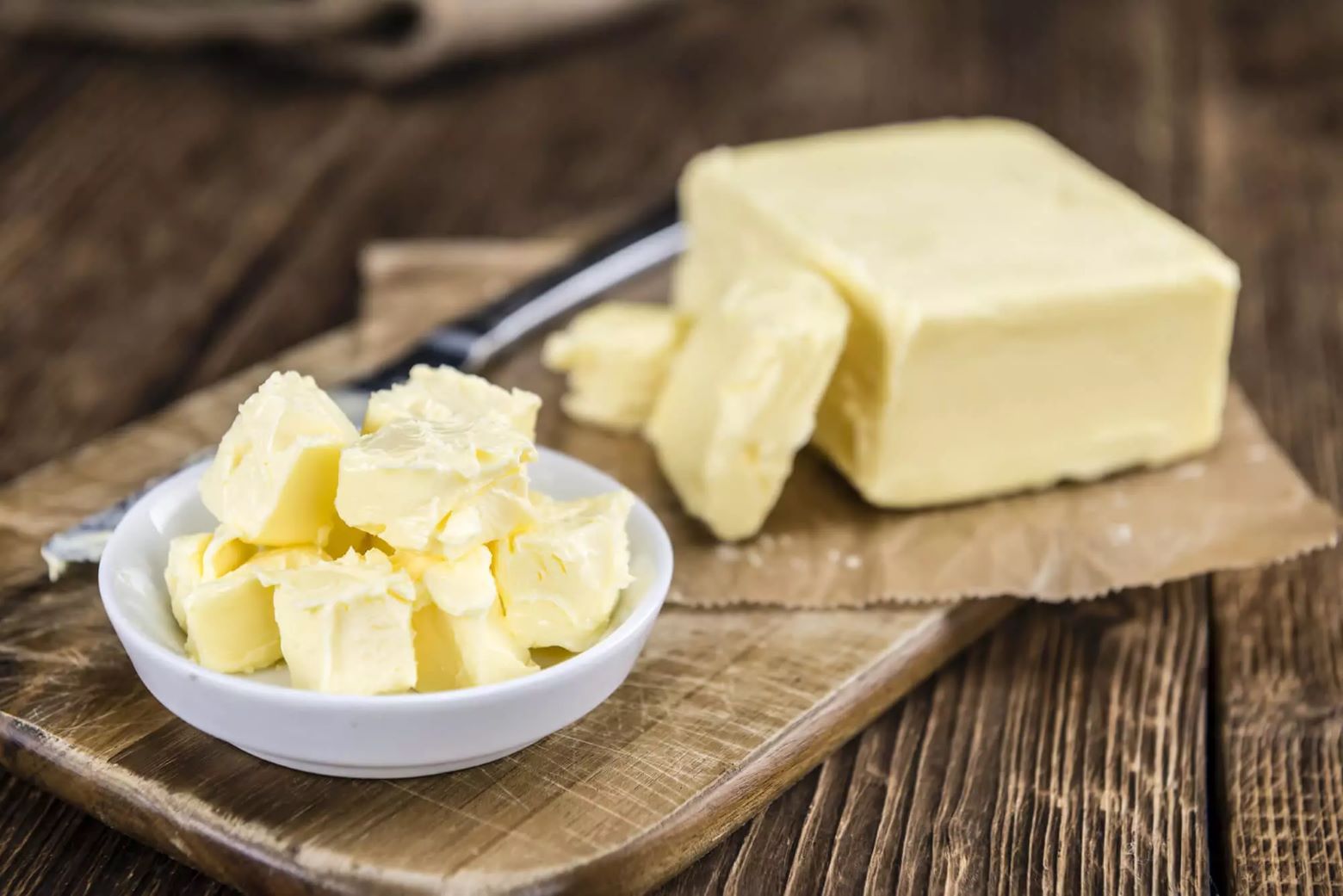
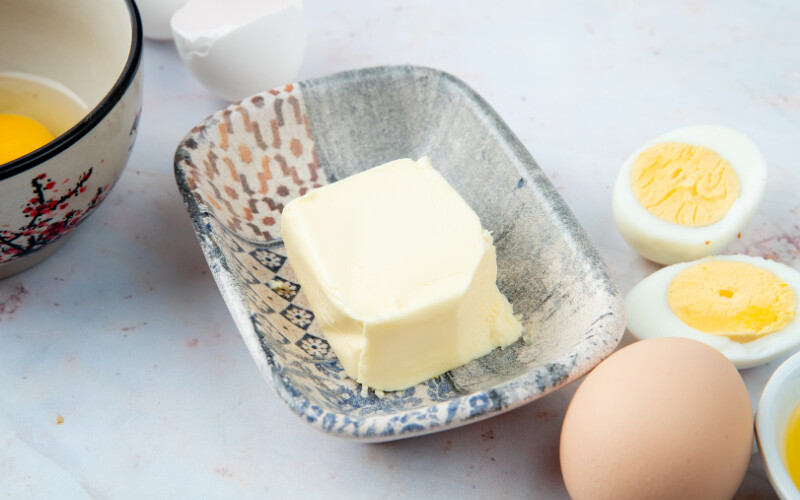
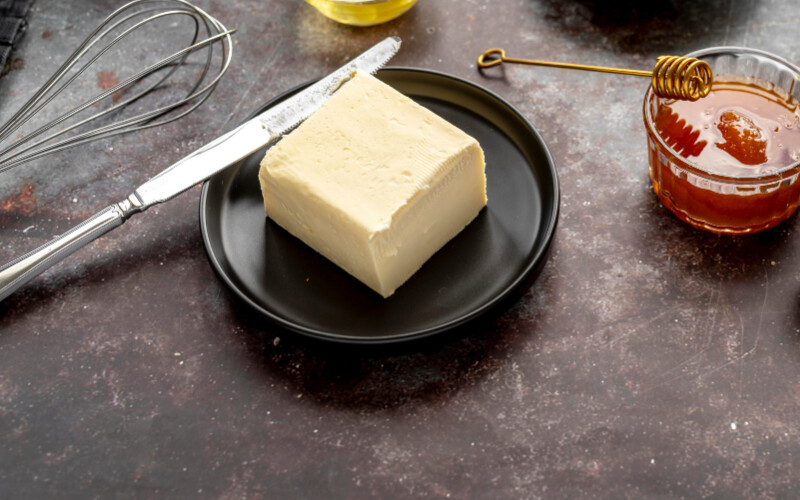
Unsalted butter is a type of butter that contains no salt, consisting primarily of cream that has been processed and solidified. This butter is light yellow in color, with a naturally sweet and rich flavor, without the saltiness of salted butter. Unsalted butter is commonly used in baking, especially in sweet treats like cakes, cookies, or desserts, as it doesn’t alter the flavor of the dish. Since it contains no salt, unsalted butter can also be used in savory dishes, allowing cooks to adjust the saltiness of the meal to their liking. Additionally, unsalted butter is used in salads, stir-fried dishes, or spread on bread.

bo-lat-la-gi

Unsalted butter is a type of butter that contains no salt, consisting primarily of cream

2. Popular Types of Unsalted Butter in Baking

2.1. Vegetable Butter

Vegetable butter is made from plant-based oils such as soybean oil, palm oil, canola oil, and other vegetable oils. This type of butter typically has a higher melting point, making it more stable and less likely to become too soft in high temperatures. It can be used in various baking recipes and is generally more affordable than animal-based butter, making it easier to store.

Among vegetable butters, Vivo Butter and Pilot Butter are popular and widely used in the baking industry.

Vivo Butter is made from vegetable oils and has a mild flavor, making it perfect for sweet baked goods and cakes. Notably, Vivo Butter contains no cholesterol, making it an ideal choice for those looking to reduce animal fats in their diet.

Pilot Butter is a high-quality vegetable butter, commonly used in baking and recipes that require a smooth and creamy texture. Pilot Butter is known for its ability to resist melting easily, providing a soft, delicious texture for cakes and other baked goods.

bo-thuc-vat-pho-bien

Vegetable butter is made from plant-based oils such as soybean oil, palm oil, canola oil, and other vegetable oils

2.2. Animal Butter

 Animal butter is made from fresh cow’s cream, offering a richer, more natural flavor compared to vegetable butters. This characteristic makes animal butter an ideal choice in baking, especially for sweet baked goods, sponge cakes, and cakes, as it enhances the richness, provides a smoother texture, and releases a more aromatic flavor.

Among the unsalted animal butters (also known as unsalted butter), there are several trusted products commonly used in baking, such as:

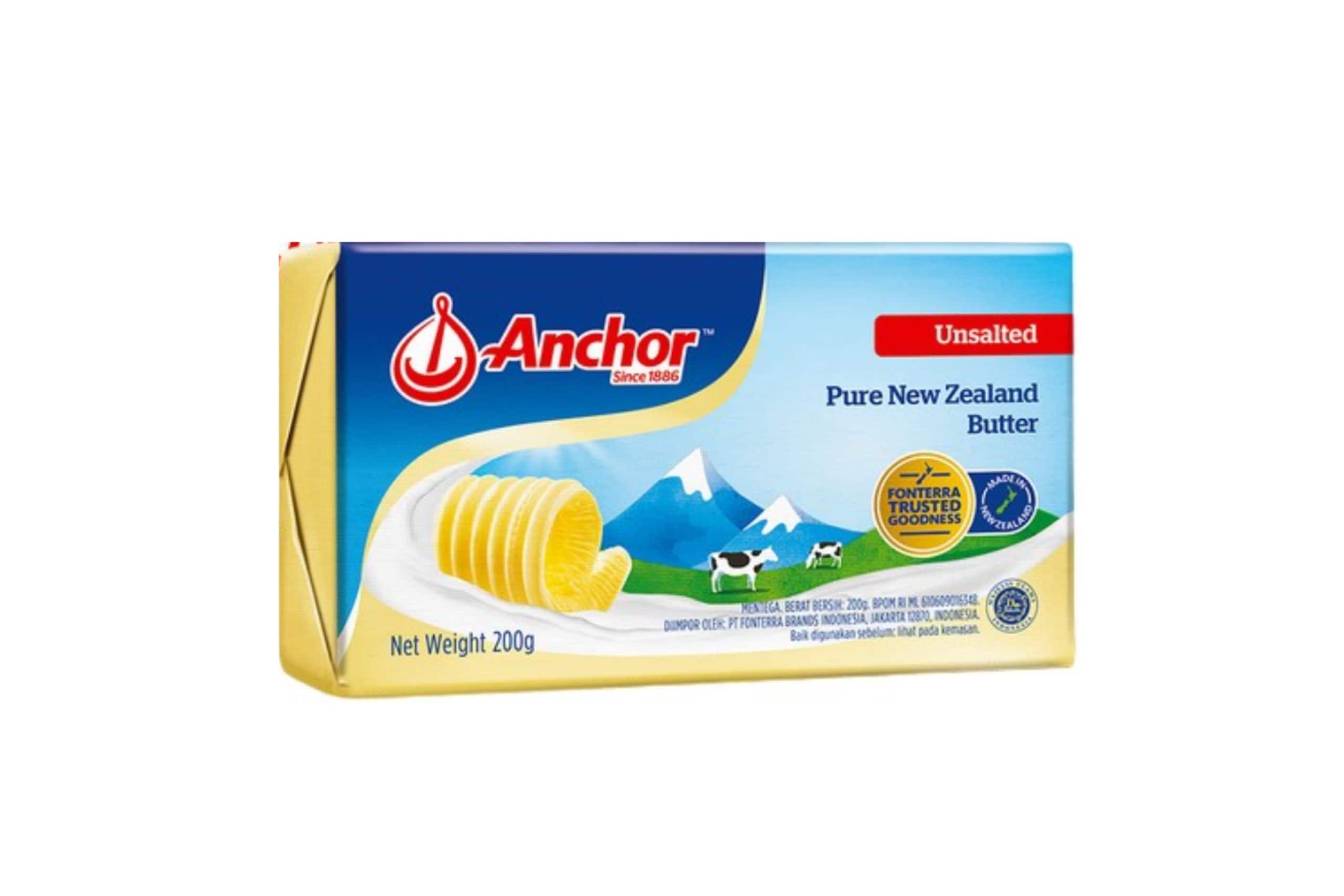
Anchor Unsalted Butter (10x7g): This portion-sized unsalted butter is very convenient for accurately measuring when baking, especially for recipes that require precise measurements. Anchor Butter has a natural cow’s milk flavor and contains no salt, helping preserve the original taste of the baked goods.

bo-lat-anchor

This is a small portion of unsalted butter, very convenient for measuring ingredients when baking.

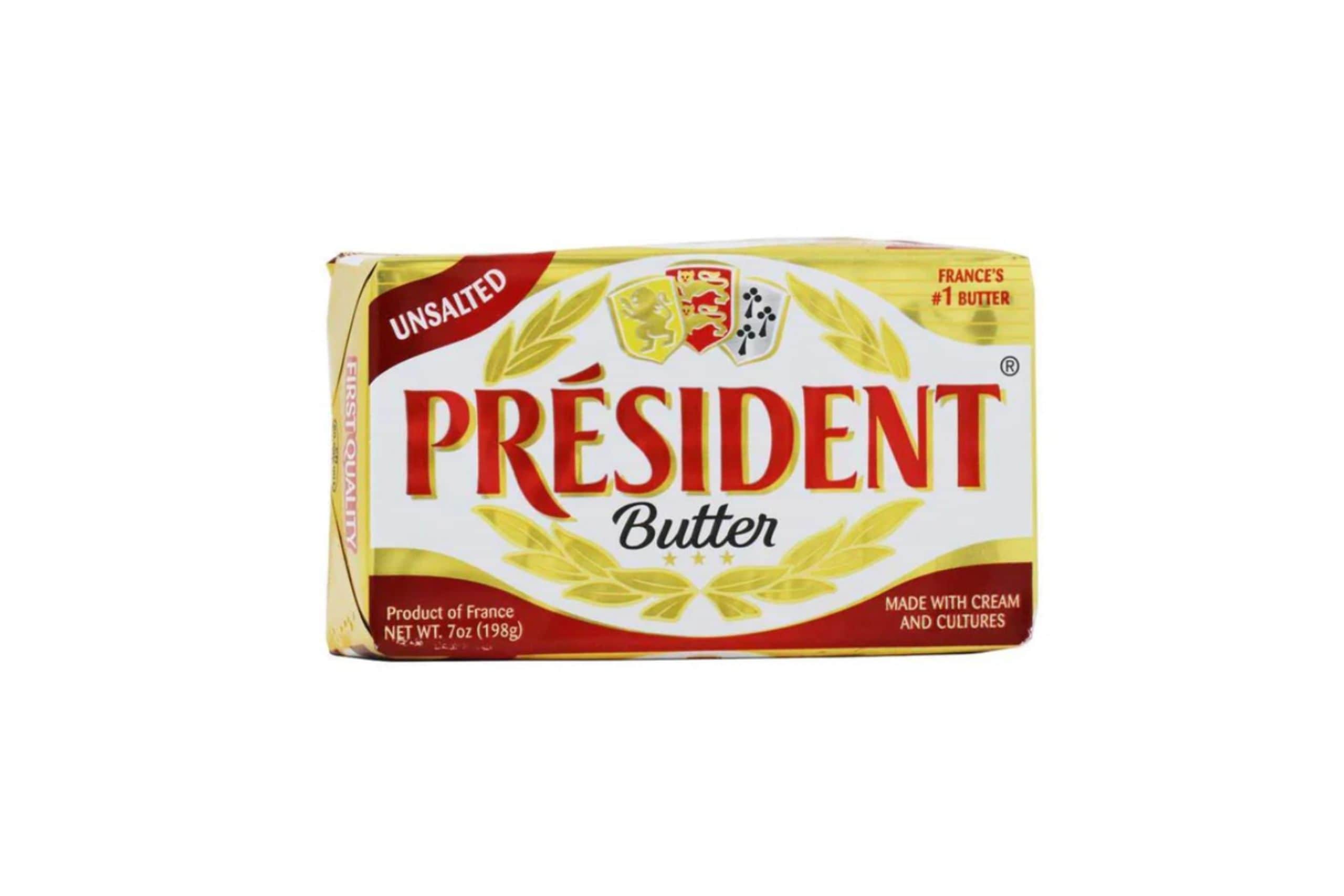
Président Unsalted Butter (200g): contains a high proportion of cream, offering a smooth, rich texture and delicate aroma. The 200g size is perfect for most home baking recipes, including cookies, muffins, cupcakes, and sponge cakes.

bo-lat-president

Président unsalted butter has a high milk content, giving it a smooth, creamy texture and delicate aroma.

Compared to vegetable butter, animal butter generally has a deeper flavor and a smoother texture, helping the baked goods maintain a soft, airy, and aromatic finish. However, since animal butter contains higher levels of saturated fat, it’s important to use it in moderation depending on the recipe and personal taste preferences.

3. Distinguishing Unsalted Butter from Other Types of Butter

Type of Butter

Ingredients

Flavor

Uses

Notes

Unsalted Butter

Mainly cream, no salt

Rich, naturally sweet flavor, no salt

Ideal for baking sweets, dishes that don't require salt, desserts

No salt, suitable for those controlling salt intake

Salted Butter

Similar to unsalted butter but with added salt for enhanced flavor

Rich, with a salty taste

Used in savory dishes, baking savory items, spreading on bread

Ideal for direct use or with bread

Vegetable Butter

Made from vegetable oils (palm oil, soybean oil, canola oil, etc.)

Mild, less intense flavor compared to animal butter

Used for baking, cooking, and can replace animal butter

Lower in cholesterol, but lacks the richness of animal butter

Animal Butter

Made from fresh cow's cream, can be salted or unsalted

Rich, natural flavor from cow's milk

Used for baking, desserts, bread, and other baked goods

Creates a smooth texture, delicious flavor, but high in saturated fats

4. How to Choose Unsalted Butter for Baking

When baking, choosing high-quality unsalted butter is one of the key factors to ensure perfect flavor and texture in the final product. Here are some criteria to help you choose the right unsalted butter:

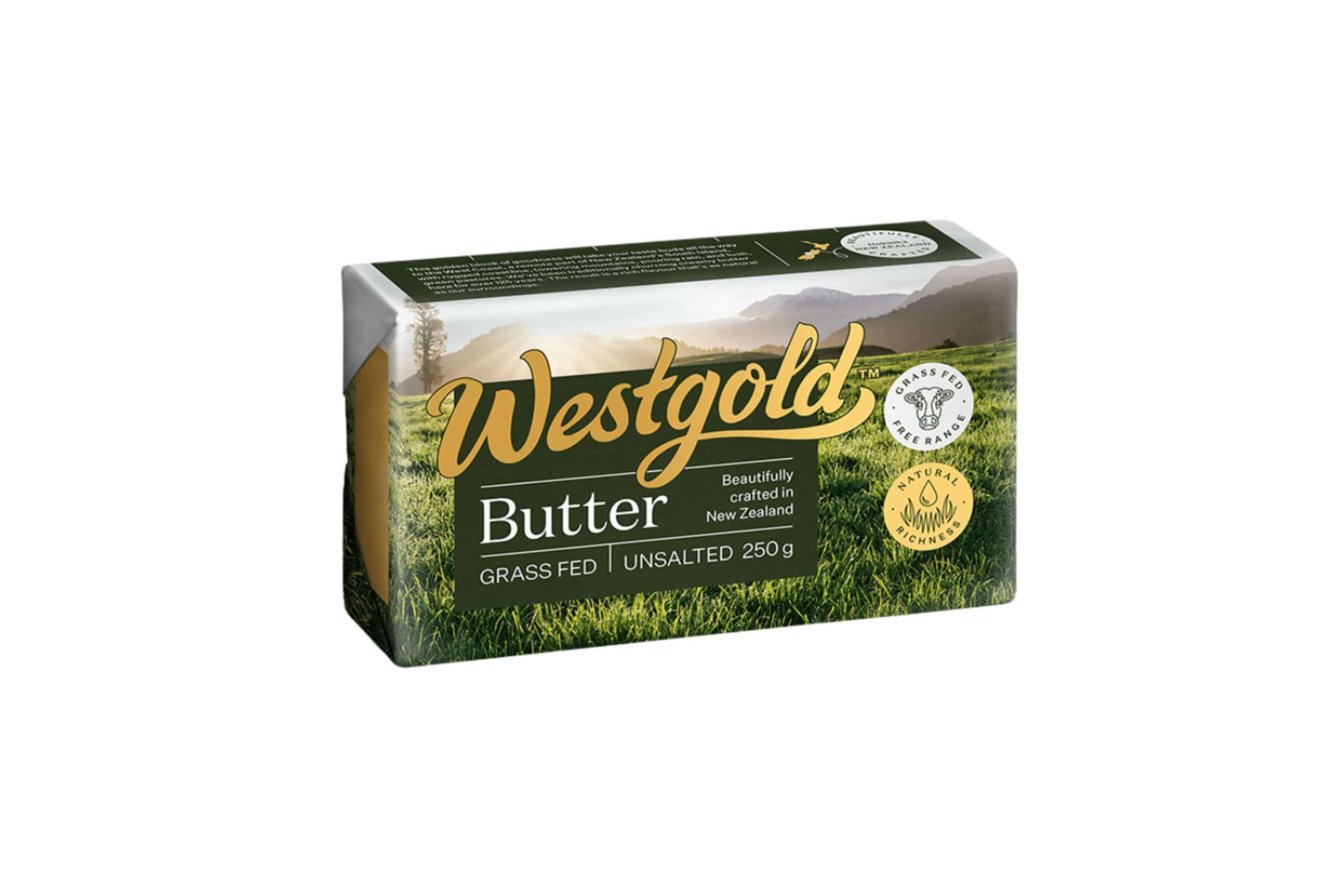
Choose butter with clear origins and natural ingredients: Prioritize unsalted butter made from pure fresh cream, without any added preservatives or additives. This ensures a natural rich flavor, smooth texture, and delicious taste in your baked goods. For example, Westgold Unsalted Butter 250g is made from high-quality cream, offering a refined flavor and stability when baking.

bo-lat-westgold

Westgold Unsalted Butter 250g is made from high-quality cream

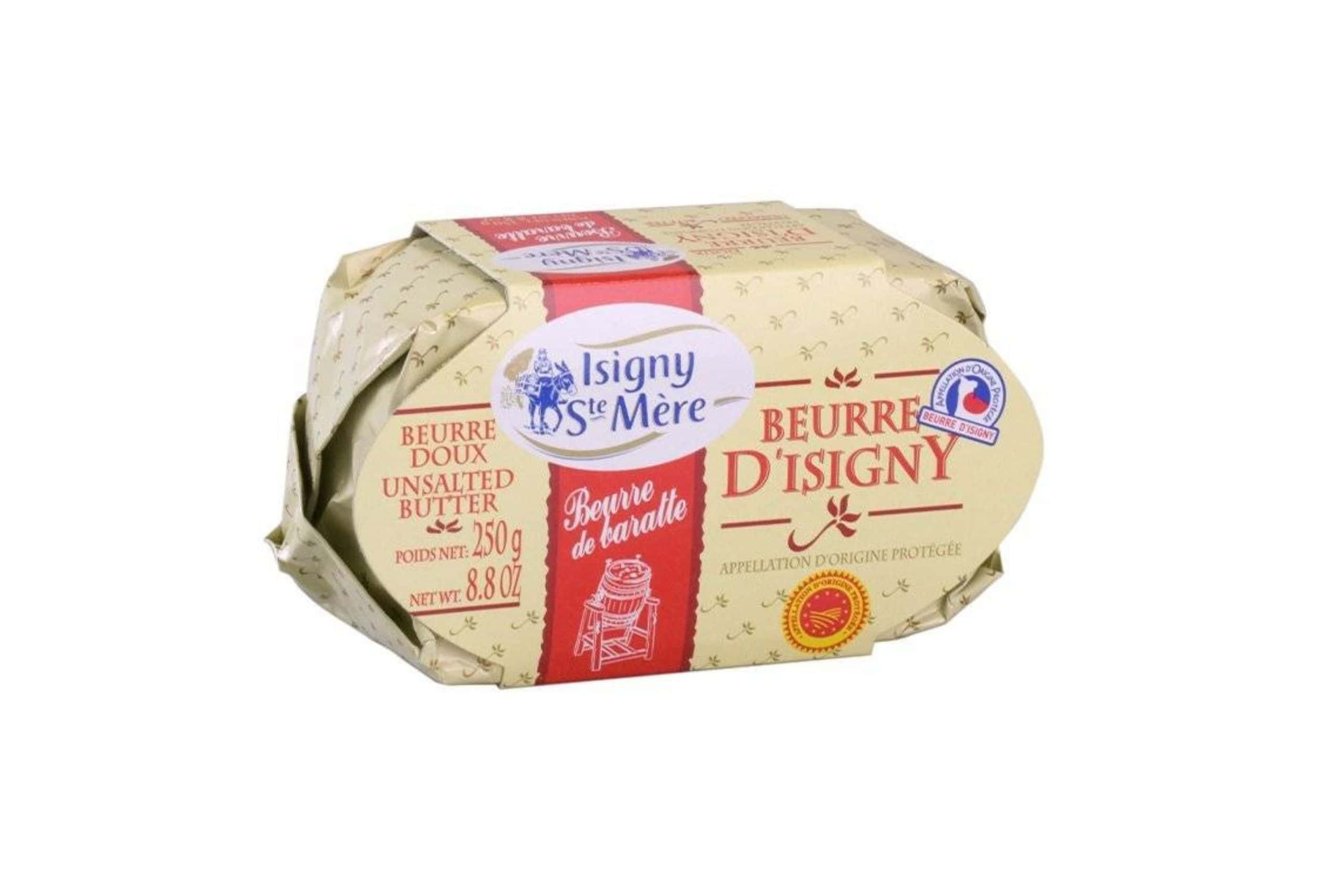
Prioritize high-fat butter: High-fat content (usually 80% or more) helps maintain the fluffiness and softness of the cake without making it dry. Isigny Butter 250g is an excellent choice in this category, produced according to AOP standards, providing a smooth texture and a rich, flavorful taste in your baked goods.

bo-lat-Isigny

Isigny Butter 250g is an excellent choice in this category, produced according to AOP standards

Choose unsalted butter to control salt levels: Unsalted butter contains no salt, so you can easily adjust the salt content in your recipe. This is especially important for sweet treats like sponge cakes, cupcakes, or cookies, to ensure the flavor is perfectly balanced.

Consider the type of cake you're making: For cakes that require a soft, fluffy texture like chiffon or sponge cakes, high-fat, mild-flavored unsalted butter like Westgold will work best. On the other hand, traditional-style butters like Isigny AOP provide a rich dairy flavor, ideal for refined sweet cakes or cookies.

Check labels and expiration dates: Be sure to read the packaging carefully to ensure the butter is fresh, has no off-putting smells, and is stored correctly. Fresh butter helps create cakes with pure, delicious flavors and ensures food safety.

Choosing the right unsalted butter helps your baked goods taste better, feel softer, and stay well balanced in flavor. With high-quality options like Westgold and Isigny AOP available at Annam Gourmet, you can easily bake shop-quality treats at home.

Unsalted butter is a staple in baking, offering a rich, natural creaminess while allowing better control over salt levels. Using quality unsalted butter from Annam Gourmet not only enhances flavor but also results in beautiful, soft, and enjoyable bakes for both adults and children.

Contact Information - Annam Gourmet

Website: https://shop.annam-gourmet.com/

Hotline: 1900 636431

Email: [email protected]

References

Allrecipes. (2024, November 27). Salted vs. unsalted butter: 3 experts explain the difference. Allrecipes. https://www.allrecipes.com/salted-vs-unsalted-butter-8745698