what-is-salami-food

Salami is one of the most popular cured meats in European cuisine, commonly enjoyed at breakfast, as a light meal, or as an appetizer. Known for its distinctive flavor, versatility, and wide range of regional varieties, salami has become a familiar choice in everyday eating. In this article, join Annam Gourmet to learn what salami is, explore the most popular types, and discover simple, easy ways to enjoy salami to fully appreciate its taste.

1. What Is Salami?

Salami is a type of dry-cured sausage that originated in Europe, most notably in Italy. It is made from ground pork or beef mixed with salt and spices, then fermented and air-dried. Thanks to this process, salami develops its distinctive aroma, keeps well, and is commonly enjoyed in light meals or European-style breakfasts.

In terms of nutrition and use, salami provides protein and energy and is very convenient to pair with bread, cheese, salads, or sandwiches. Its flavor is typically mildly salty with a light richness, accented by notes of pepper, garlic, or herbs. When sliced thin and served with lighter accompaniments, salami tastes rich and satisfying without being overly heavy.

2. Popular Types of Salami

Salami can be found across many European countries as well as in the Americas, with each region developing its own variations based on local ingredients, seasonings, and traditional curing methods. These differences create a wide range of flavors, from mild and creamy to spicy and bold, making salami suitable for different tastes and serving styles.

2.1. German Salami

German salami is known for its firm texture, pronounced saltiness, and distinctive smoky aroma. Pork or beef is ground relatively fine, seasoned with salt, black pepper, and traditional spices, then fermented and air-dried over a long period. Thanks to Germany’s cooler climate and strict processing standards, German salami has a stable texture, is easy to slice thinly, and is commonly enjoyed with dark bread, cheese, or beer.

2.2. Italian Salami

Italy is considered the birthplace of salami, with hundreds of regional varieties developed across the country. Italian salami stands out for its well-balanced flavor, slightly softer texture, and natural aroma derived from high-quality meat and carefully selected seasonings.

2.2.1. Regional Italian Salami

Each region in Italy has its own salami recipes that reflect local traditions and ingredients.

Salami Felino IGP, from the Emilia-Romagna region, is made from selected cuts of pork, coarsely ground, with a clear meaty taste and a light, pleasant richness.

Salami Milano, popular in northern Italy, features a fine, smooth texture, pale pink color, and mild flavor, making it easy to enjoy and suitable for many palates.

Genoa salami has a bolder character, often seasoned with garlic, wine, and black pepper, resulting in a strong aroma that pairs well with bread or antipasti platters.

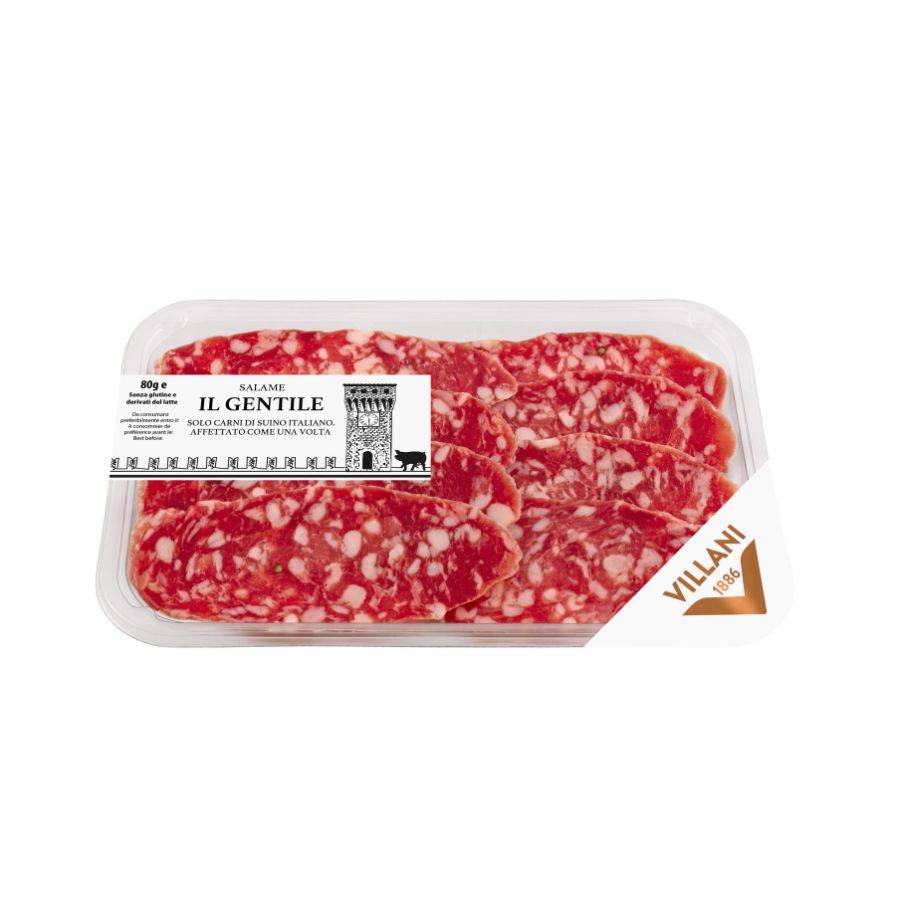
Xúc Xích Salami Felino IGP Villani 80g

Salami Felino IGP is made from coarsely ground pork, offering a pronounced natural meat sweetness with a subtle, lightly fatty finish

2.2.2. Pepper Salami

Pepper salami is easily recognized by its outer coating of black or red pepper, which adds a gentle heat and aromatic spice. The interior remains rich and tender, creating an appealing contrast between spicy, salty, and savory notes. This type of salami is typically sliced thin and served as a snack, or used as a topping for pizza and sandwiches.

2.3. British Salami

British salami is influenced by continental European cuisine but adjusted to suit local preferences. The seasoning is usually milder and less spicy, focusing on highlighting the natural flavor of the meat. In the UK, salami is often enjoyed as part of a European-style breakfast, paired with eggs, bread, or cheese.

2.4. American Salami

American salami developed alongside fast food culture and the fusion of Italian and American cuisines, with pepperoni being the most familiar and popular example. This type of salami is characterized by its deep red color, pronounced smoky aroma, and bold spiciness from pepper and chili. Pepperoni is commonly sliced thin and used as a pizza topping, layered in sandwiches, or served with cheese, appealing to those who prefer strong, savory flavors.

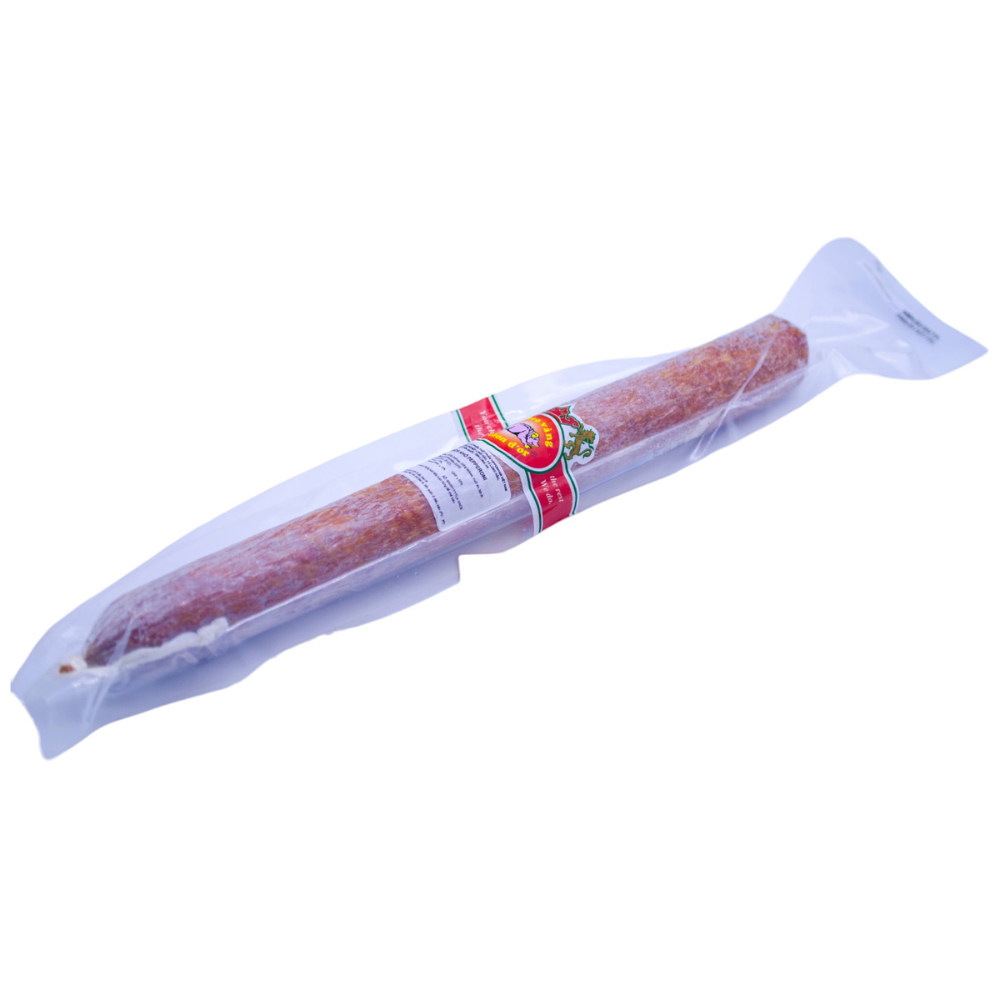
At Annam Gourmet, Cochon d’Or Dried Sausage Pepperoni is a representative choice of American-style salami. Made using traditional methods, it offers balanced heat, a harmonious smoky note, and a firm texture that is easy to slice. This pepperoni can be enjoyed on its own, paired with bread and cheese, or used as an ingredient for homemade pizzas and sandwiches, delivering a convenient and distinctly American taste experience.

Xúc xích khô salami pepperoni Le Cochon D'or (g)

Cochon d’Or Dried Sausage Pepperoni features a balanced level of spiciness, a harmonious smoky aroma, and a firm texture that is easy to slice

2.5. Arabic Salami

Salami in Arab countries is adapted to meet Halal dietary requirements and is typically made from beef or lamb. The seasoning profile is often more diverse, featuring spices such as cumin, coriander, cinnamon, or nutmeg, which create a warm, aromatic flavor distinct from traditional European salami.

2.6. Spanish Salami

Spanish salami stands out for its traditional preparation methods, with Salchichón being one of the most well-known and widely enjoyed varieties. This type of salami delivers a rich yet not overly spicy flavor, focusing on the natural saltiness of the meat combined with the aroma of black pepper and garlic. Pork is seasoned simply and then naturally air-dried over a long period, resulting in a firm texture, smooth slices, and a clear, distinctive aroma. Spanish salami is commonly served as part of tapas, paired with bread, cheese, and wine, reflecting a relaxed, shareable dining culture.

At Annam Gourmet, Alazor Iberico Salchichón Sliced is a representative product of Spanish-style salami. Made from high-quality Iberico pork, it offers balanced saltiness, light pepper notes, and a well-rounded richness that is easy to enjoy and versatile to pair. Pre-sliced for convenience, this salami can be enjoyed on its own, arranged on a cold cuts platter, paired with bread, or served at home tapas gatherings, delivering an authentic Spanish culinary experience.

XX khô Salchichon Iberico Alazor (100g)

Alazor Iberico Salchichón Sliced is a high-quality Spanish-style salami

3. How to Make Salami at Home

Before you begin, it’s important to note that salami is a dry-cured meat that requires clean ingredients, good hygiene control, and a certain amount of curing time. The method below is a simplified approach suitable for home reference and hands-on experience.

Ingredients (for about 1 kg of salami):

800 g pork shoulder or pork leg, lean meat

200 g pork fat (back fat), finely diced

25 g sea salt

3 g ground black pepper

5 g minced garlic

3–5 g chili powder or paprika (adjust to taste)

50 ml red or white wine

1 meter collagen casing or cleaned natural casing

Food-safe string for tying

Steps to Prepare Salami at Home

Step 1: Prepare and chill the ingredients

First, wash the lean pork and pork fat thoroughly, then pat them completely dry. Cut both into small pieces and place them in the refrigerator for about 30 minutes. Chilling helps the meat firm up, which improves texture during grinding and mixing.

Step 2: Grind and season the meat

Once the meat is well chilled, grind the pork and fat coarsely, avoiding an overly fine texture so the salami doesn’t become crumbly. Transfer the mixture to a large bowl, add salt, black pepper, minced garlic, chili powder or paprika, and wine. Mix by hand for a few minutes until the meat becomes slightly sticky and the seasonings are evenly incorporated.

Step 3: Marinate the mixture

After mixing, cover the bowl tightly with plastic wrap and refrigerate for 12–24 hours. During this time, the flavors will penetrate the meat more deeply, resulting in a richer taste once the salami is cured.

Step 4: Prepare the casing

While the meat is marinating, soak the collagen or natural casing in warm water for about 10–15 minutes until softened. Rinse gently with clean water and let it drain before stuffing.

Step 5: Stuff the salami

When the meat has finished marinating, stuff it firmly into the casing. Work evenly and tightly to minimize air pockets. Once filled, tie both ends securely and divide into manageable lengths using a food-safe string.

Stuff the meat into salami rolls, tie both ends tightly, and divide into sections.

Step 6: Cure and dry

Next, hang the salami in a clean, well-ventilated area with an ideal temperature of around 12–18°C (54–64°F). The drying and curing process typically takes 3–6 weeks, depending on the thickness of the salami. During this period, the salami will gradually dry, firm up, and develop its characteristic aroma.

Step 7: Finish and store

When the salami reaches your desired level of dryness, you can slice it thinly and enjoy. Any unused portion should be stored in the refrigerator to maintain its flavor and quality.

hoan-thanh-salami

Once the salami reaches the desired dryness, you can slice it thinly to enjoy.

Overall, salami is not only a familiar cured meat in European cuisine but also a versatile ingredient that fits well into modern lifestyles. From regional and country-specific varieties to simple pairings with bread, cheese, or salad, salami easily finds its place in breakfasts, light meals, and everyday gatherings. If you’re looking to explore high-quality and diverse salami options, Annam Gourmet is a reliable destination, offering a wide selection of imported salami suitable for enjoying at home or incorporating into classic European-style dishes.

Contact information - Annam Gourmet

Website: https://shop.annam-gourmet.com/

Hotline: 1900 636431

Email: [email protected]

References: 

River Cottage. (n.d.). Homemade cured salami recipe. River Cottage. https://rivercottage.net/recipes/salami/

Agriculture Institute. (n.d.). What is salami? A deep dive into this Italian sausage. https://agriculture.institute/processed-meat-technology/what-is-salami-italian-sausage/

Principe Foods. (2025, August 20). What is salami? Principe Foods. https://principefoods.com/2025/08/20/what-is-salami/