what-is-low-carb-diet

The Low Carb diet is increasingly chosen by many people as an effective and healthy weight loss method. By cutting down on starch and increasing protein and good fats, the body switches to using fat as its main energy source, thereby helping to lose weight faster and stabilize blood sugar. In this article, Annam Gourmet will clearly understand what is Low Carb diet, the benefits and limitations of this diet and how to apply it correctly to achieve sustainable results.

1. What is Low Carb?

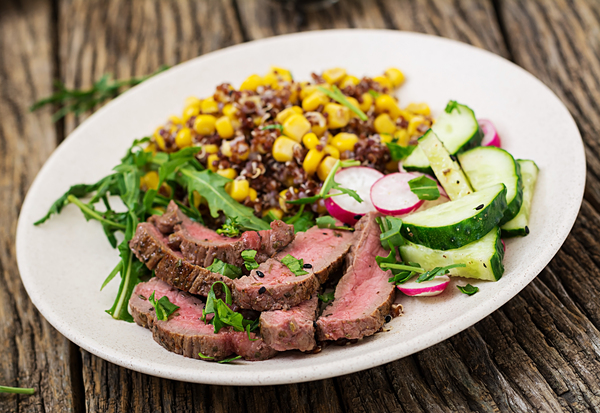
Low carb is a diet that reduces starch intake (carbohydrates) and prioritizes protein and good fats to help the body burn fat more effectively. When carbs are limited, blood sugar and insulin levels are stabilized, thereby helping to reduce cravings and support natural weight loss.

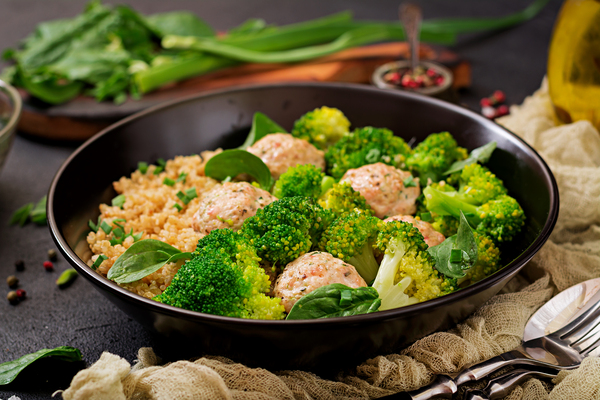
This diet focuses on food.rich in protein, green vegetables and healthy fats, while limiting rice, bread, noodles, cakes and sugary foods. Thanks to that, low carb has become a popular choice for people who want to lose fat, improve health and maintain stable energy throughout the day.

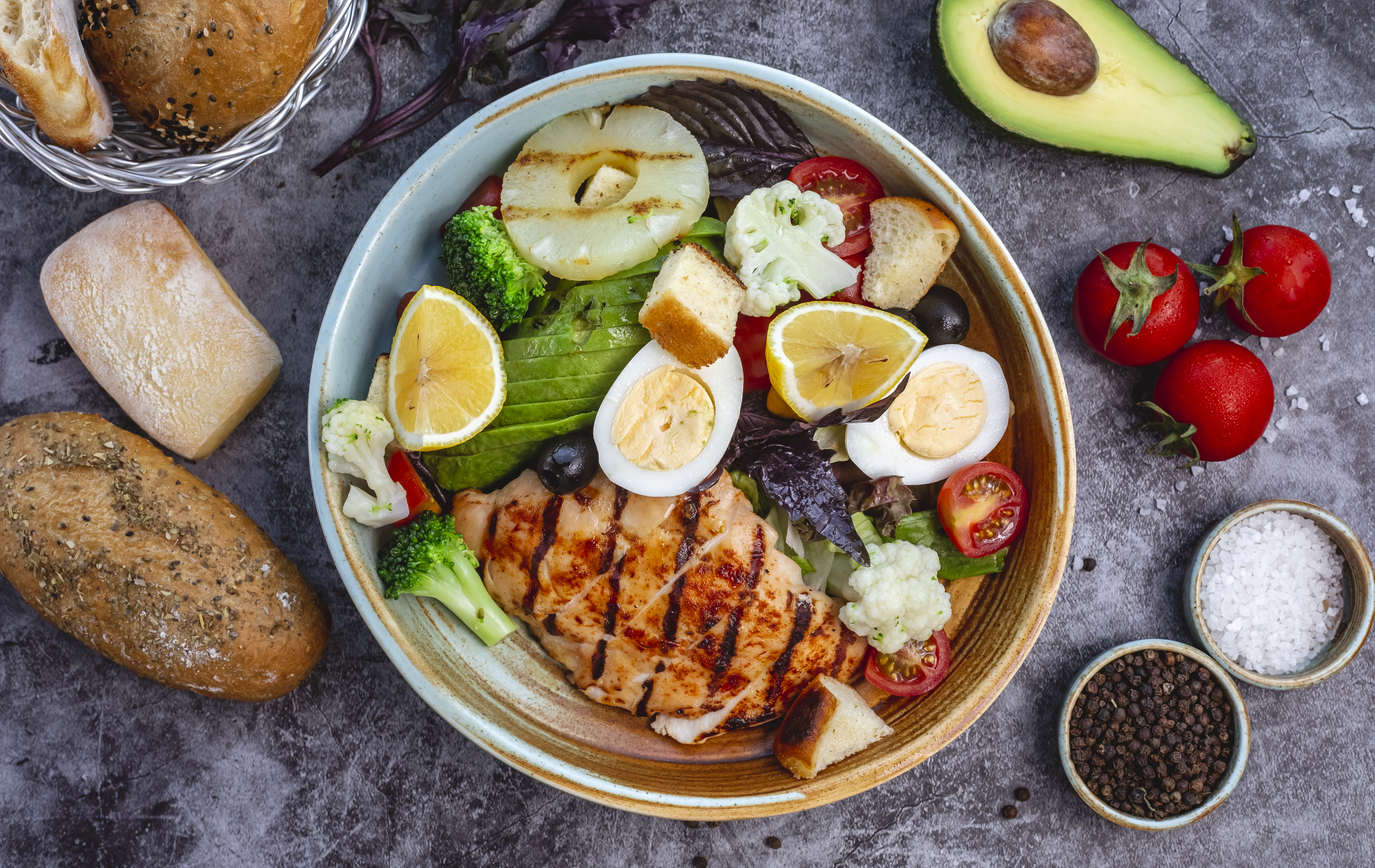
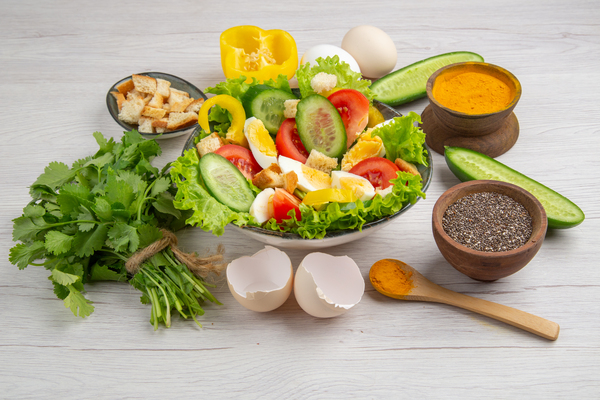
Low-carb-is-a-diet-that-reduces-starch-intake-and-prioritizes-protein-and-good-fats-to-help-the-body-burn-fat

Low carb is a diet that reduces starch intake and prioritizes protein and good fats to help the body burn fat.

2. The Science Behind the Low Carb Diet

The Low Carb diet is based on the principle of reducing carbohydrates to change the way the body creates and uses energy. When carbs are reduced, the body no longer has much glucose, which is the main energy source from starch, so it is forced to switch to fat burning as fuel. This process helps reduce stored fat and stabilize blood sugar, while also reducing insulin – a hormone directly related to fat storage and cravings.

2.1. Advantages

Lose weight and reduce fat effectively by converting fat into energy.

Stabilizes blood sugar, helps reduce the risk of type 2 diabetes.

Reduces cravings and keeps you full longer.

Improves blood lipids (reduces triglycerides, increases HDL) in many cases.

Maintain stable energy, limit fatigue due to hypoglycemia.

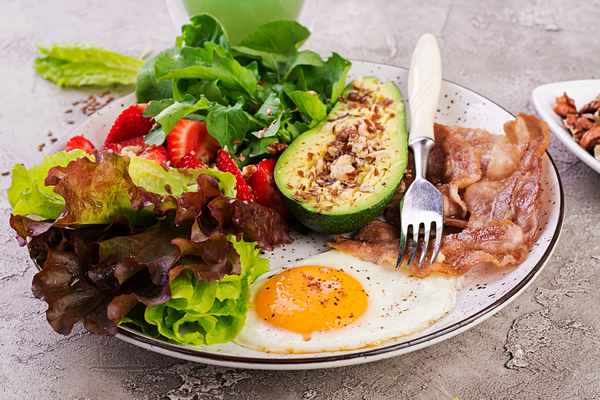
The-Low-Carb-diet-is-based-on-the-principle-of-reducing-carbohydrate-intake-to-change-the-way-the-body-creates-and-uses-energy

The Low Carb diet is based on the principle of reducing carbohydrate intake to change the way the body creates and uses energy.

2.2. Disadvantages

Feeling tired or lacking energy in the first few days (“low carb flu”).

Limit many familiar foods that are difficult to maintain long term.

Fiber deficiency can occur if you eat few vegetables or few carbs from grains.

Not suitable for people training intensely or needing high muscle glycogen.

If applied incorrectly, it is easy to eat too much saturated fat, affecting the cardiovascular system.

3. The secret to an effective low-carb diet

To properly apply low carb, you need to prioritize foods that are low in starch but rich in nutrients, while controlling the ratio of protein - fat - carb reasonably. The core of this diet is to reduce carbs intelligently, not completely eliminate them, combined with increasing green vegetables, protein and good fats to help the body maintain energy, stay full for a long time and optimize fat burning ability.

3.1. Essential food groups

Choosing the right food groups is key to maintaining an effective low carb diet. Here are the most important food groups.

Lean protein – a clean source of energy and helps you feel full longer

Protein plays a role in maintaining muscle mass, supporting fat burning and helping you stay full longer. In low carb, protein should account for a higher proportion than normal.

Options for meat, fish and seafood foods include: chicken, beef, lean pork, fillet salmon, tuna, eggs. These are high in protein, low in carbs, and easy to prepare in a variety of ways, such as pan-frying, grilling, or boiling.

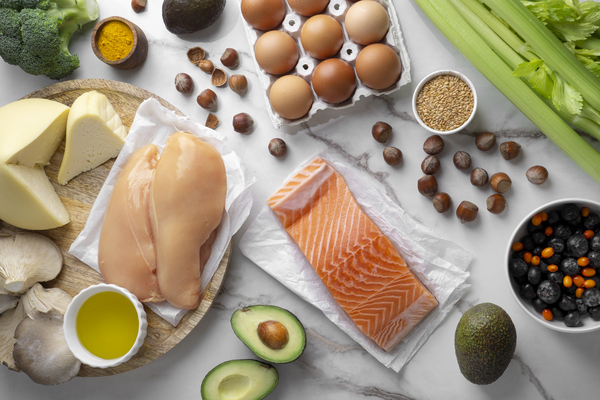
Lean-protein-is-a-clean-source-of-energy-and-helps-keep-you-full-longer

Lean protein is a clean source of energy and helps keep you full longer.

Good fats – an important factor in stabilizing energy

Low carb not only reduces starch but also encourages the addition of healthy fats. This is a sustainable source of energy, helps reduce cravings and supports brain function.

Typical foods include:

Olive oil Cobram Estate Extra: Rich in monounsaturated fats, olive oil helps stabilize blood sugar and support heart health on a low-carb diet.

• Coconut oil: Contains MCT (medium-chain triglycerides) which are easily converted into energy quickly, helping the body maintain stable energy levels when reducing starch.

Tây Nguyên Avocado: Avocado provides a large amount of monounsaturated fat and fiber, helping you feel full longer and reducing cravings. 

Nuts include almonds, macadamia nuts and walnuts, chia seeds, and cheese in moderation

Low carb vegetables – rich in vitamins and fiber but do not cause carb increase

Green vegetables are an essential part of balanced nutrition, providing fiber and creating a feeling of fullness without significantly increasing carb intake.

You can prioritize: broccoli, VietGAP Baby Spinach, green asparagus, VietGap green zucchini, mushrooms, and cucumbers. These are all easy-to-find ingredients, aid digestion, and add variety to low-carb meals.

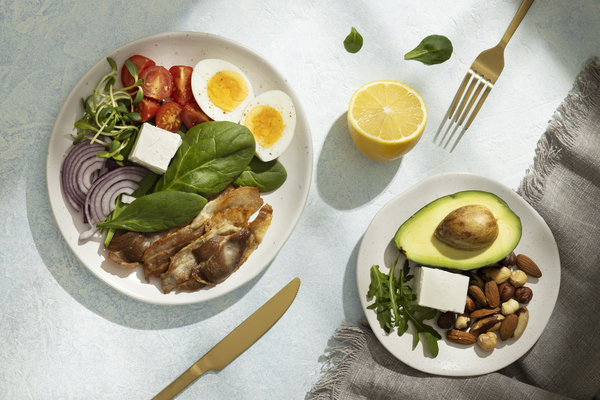
Low-carb-vegetables-are-rich-in-vitamins-and-fiber-but-do-not-cause-increased-carb

Low-carb vegetables are rich in vitamins and fiber but do not cause increased carb

Healthy condiments and sauces make food delicious without adding carbs

The right seasoning helps you stay low carb while still enjoying the full flavor of your food.Suggested uses: salt, pepper, lemon, Heinz apple cider vinegar, dried or fresh herbs.

3.2. Food groups to avoid

While choosing the right foods is important on a low-carb diet, it is equally important to stay away from foods rich in fast starch and simple sugars. These are the group that easily increases blood sugar, stimulates insulin and disrupts the fat burning process.

Fast starch – easily increases blood sugar and causes fat accumulation

Fast starchy foods will convert into sugar in a short time, making it difficult for the body to maintain a fat-burning state.Include: white rice, rice noodle, noodle soup, noodles, bread, potato, and corn.

Sweets – a hidden source of carbs that can easily increase your sugar intake beyond your recommended limit

Sugar is the easiest way to make low carb ineffective, as even a small amount can increase your total daily carb intake.Foods to avoid completely:confectionery, cream, tea milk, soft drink, condensed milk, and bottled fruit juice.

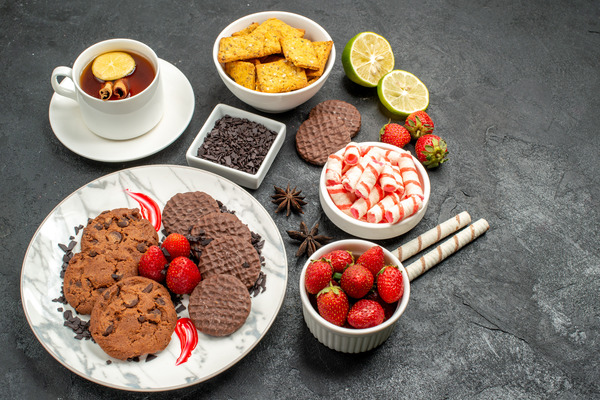
Sweets-are-a-hidden-source-of-carbs-that-can-easily-increase-your-sugar-intake-beyond-your-recommended-limit

Sweets are a hidden source of carbs that can easily increase your sugar intake beyond your recommended limit.

Refined grains – low in nutrients but high in carbs

Processed grains often have their fiber and minerals stripped away, leaving only quick starches.Include: cookies, snack, sugary breakfast cereals, wheat flour snacks.

This is a group that can be substituted with unsweetened roasted nuts or low carb granola if you need a substitute.

Processed foods – often contain sugar, hidden starches and fillers

Processed products often have added sugar, cornstarch, flour, or flavor enhancers that add unwanted carbs. For example: sausage, cold cuts, canned food with lots of sugar, industrial fever.

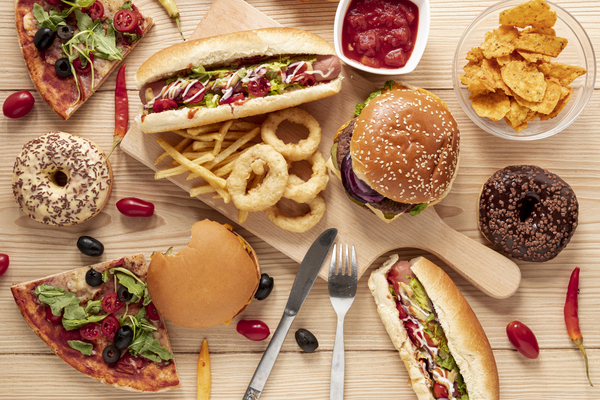
Processed-foods-often-contain-sugar-hidden-starches-and-fillers

Processed foods often contain sugar, hidden starches, and fillers.

High-sugar fruits – easy to push total carb limit

Although healthy, some fruits are high in sugar, which is not suitable when you are low carb or need to control carbs tightly. Types to limit: mango, durian, grape, banana, and lychee.

You can substitute with lower sugar options like strawberries, blueberries or avocado if you want to keep the freshness of the menu.

4. Detailed Low Carb menu, reduce body fat

Below is a detailed Low Carb menu to help reduce body fat, designed according to the principle: reduce starch - increase lean protein - add good fat - lots of green vegetables. This menu is suitable for people who want to reduce fat but still maintain stable energy.

To make following Low-Carb easier, you can apply the 7-day menu below. The menu is built according to the principles: decreased carb intake increase lean protein - add good fats and maintain adequate green vegetable intake to optimize fat burning.

In case you want to have a pre-prepared Low-Carb meal, measured and measured nutritionally, you can refer to the following menu of Health Lab– the “selective healthy eating” model developed by Annam Gourmet. Health Lab offers many diets such as Low-Carb, Balanced Meals, High-Carb and even specialized meals for people who want to lose weight or control blood sugar.

Day 1

• Bright: 2 fried eggs + 1/2 avocado

• Lunch: Pan-fried chicken breast + olive oil mixed salad

• Dark: Grilled salmon + asparagus

• Snack: Unsalted almonds

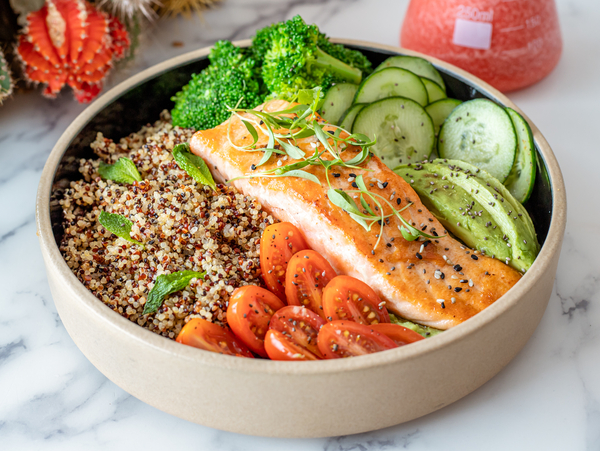
Grilled-salmon-is-a-delicious-and-healthy-low-carb-menu

Grilled salmon is a delicious and healthy low carb menu.

Day 2

• Bright: Farmers Union Lactose-Free Greek Yogurt + chia seeds

• Lunch: Beef stir-fried with mushrooms

• Dark: Green salad + soft-boiled egg

• Snack: Chia seeds mixed with water

Day 3

• Bright: Spinach omelet

• Lunch: Pan-fried tuna + broccoli

• Dark: Boiled lean pork + seaweed soup

• Snack: 1 piece of cheese

Pan-fried-tuna-with-broccoli-is-an-extremely-nutritious-low-carb-dish

Pan-fried tuna with broccoli is an extremely nutritious low carb dish.

Day 4

• Bright: Coffee + 2 boiled eggs

• Lunch: Shredded Chicken Salad

• Dark: Pan-fried shrimp with butter

• Snack: Whitworths Walnuts

Day 5

• Bright: Avocado + Greek yogurt + chia seeds

• Lunch: Grilled beef + asparagus salad

• Dark: Salmon with lemon butter sauce

• Snack: Shizuoka Green Tea Bags

Grilled-beef-salad-is-both-delicious-and-nutritious

Grilled beef salad is both delicious and nutritious.

Day 6

• Bright: Boiled eggs + cucumber

• Lunch: Pan-fried basa fish + kale

• Dark: Grilled chicken with lemon pepper

• Snack: Almonds

Day 7

• Bright: Avocado + spinach smoothie

• Lunch: Boiled lean pork + apple cider vinegar salad

• Dark: Grilled mackerel + sauteed vegetables

• Snack: Cheese or nuts

The Low Carb diet is a scientific weight loss method that helps the body burn fat effectively by limiting starch and increasing protein and good fats. When applied correctly, Low Carb not only supports weight loss and belly fat reduction, but also stabilizes blood sugar, improves energy and makes you feel full for a long time.

For optimal results, choose low-carb but nutrient-dense foods, incorporating plenty of green vegetables, lean proteins and healthy fats, while maintaining regular eating habits and exercising appropriately. If you want to easily apply, available Low-Carb menus such as Health Lab will help you save time while still ensuring scientific nutrition.

Contact Information - Annam Gourmet

• Website: https://shop.annam-gourmet.com/ 

• Hotline: 1900 636431

• Email: [email protected]

References:

Mayo Clinic (n.d.). Low-carb diet: Can it help you lose weight? Mayo Clinic. https://www.mayoclinic.org/healthy-lifestyle/weight-loss/in-depth/low-carb-diet/art-20045831

American Diabetes Association. (n.d.). Low-carb. Diabetes.org.uk. https://www.diabetes.org.uk/living-with-diabetes/eating/meal-plans/low-carb

National Center for Biotechnology Information. (n.d.). Low Carbohydrate Diets for Diabetes: A Review of the Clinical Evidence. In NCBI Bookshelf. https://www.ncbi.nlm.nih.gov/books/NBK537084/